Contents
- What's happening in Varkaus
- "Kills more than it eats"
- Why the Ämmänkoski rapids matter
- What the American mink is
- What Metsähallitus says
- How the trapping works
- How to tell a mink from an otter or polecat
- The rules: can you trap mink
- Mink and poultry
- How to protect a coop from mink
- Traps and pets
- Mink and fish ponds
- If a mink has settled near your home or cottage
- Mink, fur farms and disease
- Why the mink has done so well in the north
- Why mink are hard to beat
- What this means for Europe
- When to see a vet
What's happening in Varkaus
On 30 October 2026 the Finnish broadcaster Yle reported on the American mink hunt that has begun in the town of Varkaus in the North Savo region. The town has asked amateur angler Pasi Pikkarainen from the local sport fishing club to trap mink. The aim is to catch the animals seen in summer at the Ämmänkoski rapids in the very centre of town.
A salmonid fish population is being restored at the rapids, and mink have become a serious threat to it. In spring, the carcasses of rainbow trout killed by mink were found on the ice, and restoration work at the rapids uncovered about 30 active brown trout spawning nests.
Yle; 30 October 2026
"Kills more than it eats"
Pasi Pikkarainen calls the mink a merciless predator that doesn't only kill for food. He recalls a hunting magazine article describing one mink's winter store: 75 ducks.
The mink is the sort of predator that kills more than it eats. It bites the throat open, leaves it there and looks for the next one.
Pasi Pikkarainen, the angler asked by the town to trap mink
According to him, the rapids certainly offer plenty for a mink to kill. The first time, only a mouse got caught in the trap.
Why the Ämmänkoski rapids matter
Salmonid fish such as brown trout, grayling and salmon spawn on clean gravel in fast water. In many Finnish rivers, these places were destroyed by dams and river clearing, and they're now being restored. The roughly 30 spawning nests found at Ämmänkoski are a good sign, but the restored population is still small, and any predator hunting at the rapids could have a noticeable effect on it. So the town and anglers decided not to wait until the damage became obvious.
What the American mink is
The American mink is a small predator of the weasel family, native to North America. It was brought to Europe for fur farms, and escaped and released animals formed wild populations. It swims and dives superbly, lives by rivers, lakes and sea coasts, and hunts fish, birds, their eggs and chicks, frogs and small mammals. The European mink is a different, native species that's now on the brink of extinction, partly because of competition from its American relative.
What Metsähallitus says
Kari Karhula, project manager of Metsähallitus's Helmi project on invasive predators, says a very well-established wild mink population has formed in Finland. The animal is found in practically all water bodies up to Lapland and does well even on the Arctic Ocean coast. Globally, the mink is considered a serious cause of biodiversity loss, and Karhula calls the situation in Finland worrying.
The mink has a strong effect on waterbird populations. Every mink caught is a concrete act for the benefit of local nature.
Kari Karhula, Helmi project manager, Metsähallitus
The mink's effect on brown trout and freshwater pearl mussels is little studied. Meanwhile, funding for nature conservation has been cut significantly in recent years, making it harder to tackle mink.
How the trapping works
In Varkaus, a kill trap in a box is used, baited with parts of capercaillie and black grouse. According to Pikkarainen, the spring is strong enough to kill a mink instantly.
Since autumn 2025, the Helmi project has been testing trapping rafts and scent lures and monitoring trapping points with trail cameras. The results show that a raft is about three times more effective than a land trap, although 99% of mink are still caught in land traps. To really reduce numbers, Karhula says, large national projects are needed, and for now he's urging cottage owners and anyone interested to take part.
How to tell a mink from an otter or polecat
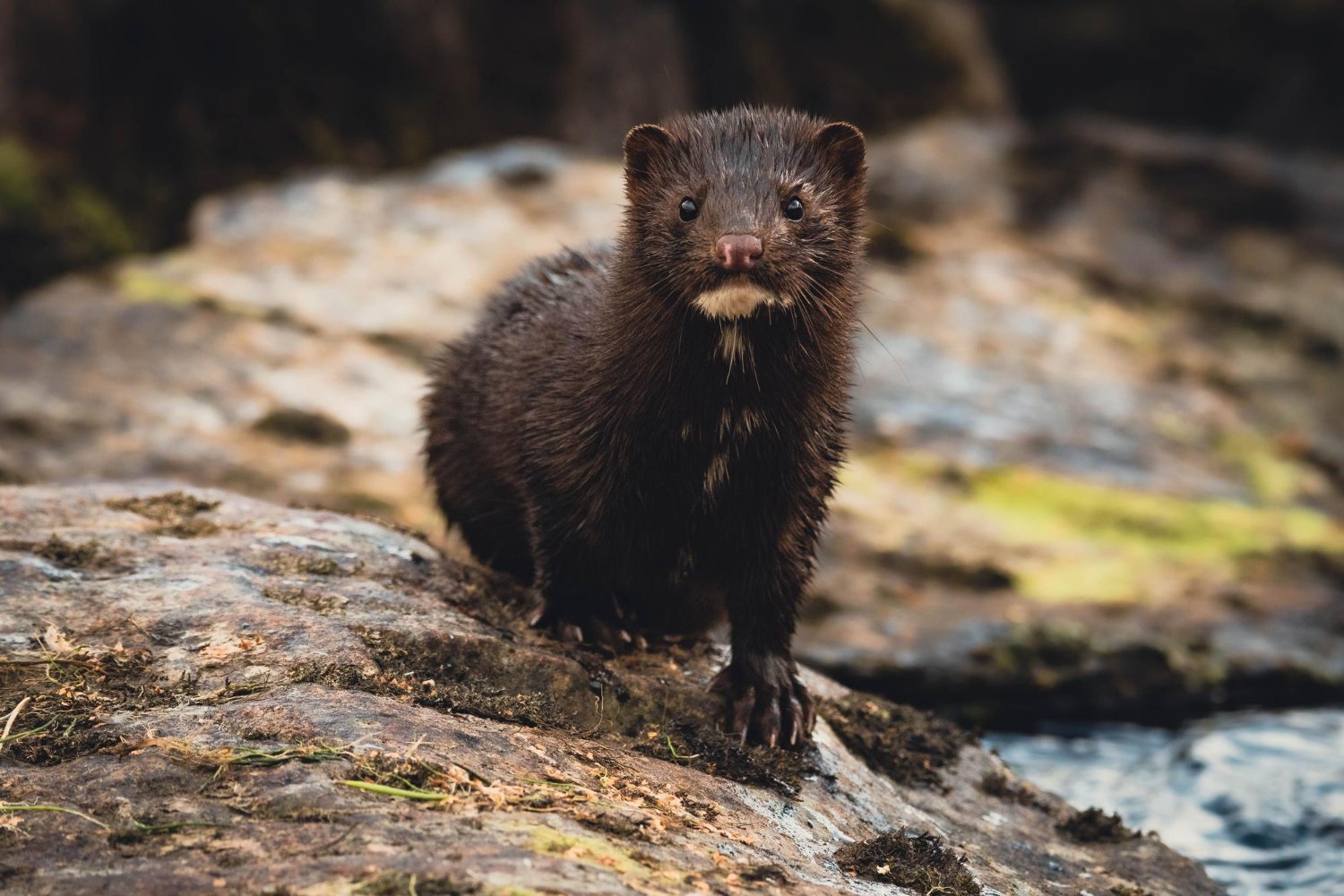
The American mink is about half a metre long including its tail, with dark brown, almost black, glossy fur and usually a white patch on the chin. An otter is much larger, with a powerful thick tail and a flat head. A polecat is similar in size but has a pale "mask" on its face and a paler undercoat. Mink tracks are small, with five toes, and often run in a line along the bank, while the remains of fish and birds by the water suggest a predator is nearby.
The rules: can you trap mink
Since 2019 the mink has no longer been classed as game in Finland but as a harmful invasive species. It can be trapped all year round without a hunting card or hunting fee. The landowner's or water owner's permission is required. Mink are mainly caught in kill traps so the animal doesn't suffer. The rules differ elsewhere: in the UK, for example, trapping is regulated and only approved traps may be used.
Mink and poultry
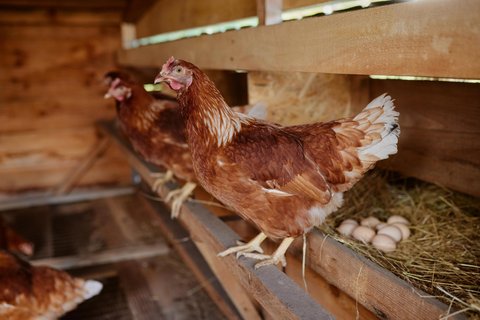
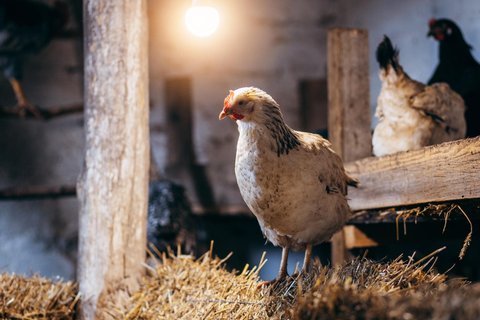
Mink aren't only dangerous to wildlife. Owners of chickens, ducks and geese near water know that a single animal can kill many birds in a coop overnight. A mink can get through very small openings, dig underneath and climb netting, and usually attacks at night.
How to protect a coop from mink
- Shut your birds in at night in a secure building.
- Check all gaps: a mink can get through openings a few centimetres wide.
- Use fine mesh and bury its edge in the ground.
- Don't leave feed and waste near the coop, as they attract rodents and, in turn, predators.
- Check the area: tracks, prey remains and droppings by the water suggest a mink is nearby.
Traps and pets
Kill traps are also dangerous for cats, dogs and other animals that may stick their noses in by accident. So mink traps are placed in closed boxes with narrow entrances or on rafts on the water, where pets rarely go. Traps must be checked regularly. If you live near trapping sites, don't let your cat wander unsupervised by the shore, and keep your dog on a lead.
Mink and fish ponds
Owners of garden ponds and small fish farms suffer from mink too. A mink can empty a pond of ornamental fish in one night. Netting over the water, fences with a smooth surface that's hard to climb and clearing hiding places by the bank, such as piles of stones and brushwood where a mink can make a den, all help.
If a mink has settled near your home or cottage
- Don't feed the animal or leave fish waste by the water.
- Block access to your coop, rabbit hutches and pond.
- Contact your local hunting or wildlife group: they can tell you who traps mink in the area.
- Trap only with the landowner's permission and only with permitted kill traps.
Mink, fur farms and disease
American mink are susceptible to a number of infections shared with other animals. On European fur farms, the coronavirus SARS-CoV-2 was found in mink, and in 2023 highly pathogenic bird flu was detected on fur farms in Finland. Wild mink that hunt waterbirds could in theory come into contact with bird flu virus, so finds of dead predators near water should be passed on to specialists.
Why the mink has done so well in the north
The American mink eats almost anything it can catch in the water and on the bank: fish, crayfish, frogs, birds and rodents. It hunts equally well in rivers, lakes and on sea coasts, and its thick water-repellent fur lets it dive even in cold water. It has few natural enemies in Finland, and a female has several young at a time. All these qualities, once prized on fur farms, have made the mink one of Europe's most successful invasive predators.
Why mink are hard to beat
Mink breed quickly, live almost anywhere there's water and easily move into vacant areas. So one-off trapping helps only for a while: if mink are caught at one set of rapids, animals from nearby waters may soon arrive. The best results come from long-term projects over large areas, especially on islands and at bird nesting sites.
What this means for Europe
The American mink lives in the wild in many European countries, from Scandinavia to Spain, as well as in Britain. In many regions it's considered a harmful invasive species and is trapped to protect waterbirds, fish and the native European mink. Finland's experience with trapping rafts and trail cameras may be useful to other countries, and poultry owners near water everywhere should remember to protect their coops.
When to see a vet
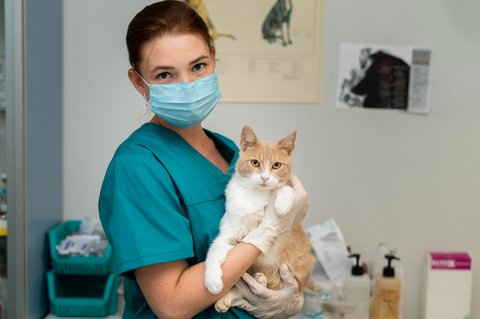
If injured birds are left in the coop after a predator attack, have them seen by a vet: bites on the neck and head can be deep. If birds have died without visible wounds or have suddenly fallen ill, tell your vet or APHA immediately, as in autumn this could be bird flu. A dog that has fought with a mink or another wild predator should also be seen by a vet.
Sources
- Yle, 30 October 2026