Contents
- What happened
- What the minister said
- How the producer responded
- What "turbo chickens" are
- Why fast growth harms birds
- Why birds need darkness
- What animal welfare groups say
- What producers say
- Why the issue is so sensitive in Denmark
- What Europe thinks
- What changes for shoppers
- How to choose chicken in the shop
- If you keep hens at home
- How to tell a chicken is unwell
- Why inspections and filming matter
- What happens next
- What slower growth costs
- What changes for vets
- What science says about broiler welfare
- Why films like this matter to the market
- What this means for Europe
- When to see a vet
What happened
On 3 November 2026 the British newspaper The Guardian reported that the Danish government is seeking a national ban on fast-growing broiler chickens, known there as "turbo chickens", and calling for them to be banned across the European Union.
The trigger was a documentary by Danish broadcaster TV2, shown last week. It featured undercover footage from a chicken shed in northern Jutland. According to the film's makers, one of the major producers was breaking Danish law, giving birds only half the required daily darkness so that they'd eat more.
The Guardian, Eurogroup for Animals; November 2026
What the minister said
Christian Rabjerg Madsen, the minister for nature and animal welfare, advised Danes not to buy "turbo chickens". He said he wants to seek a national ban, but that this needs studying from a legal and economic point of view. He added that he'll also work towards a ban at EU level. The idea already has support from different parties.
How the producer responded
The producer shown in the film admitted mistakes. It told the broadcaster it had made a number of wrong decisions for which there's no excuse, but that it had learned lessons and corrected its lighting and working practices in the shed, tightening procedures and schedules. The Danish authorities can check the journalists' findings themselves.
What "turbo chickens" are
This is the name for broilers of fast-growing breeds, above all Ross 308, the most common in Denmark. A chick grows from about 50 grams to 2 kilograms in just 33 days. Other breeds take 46 to 63 days to do this. Rapid weight gain makes meat cheaper, but bones, joints, heart and lungs can't keep up with such growth.
Why fast growth harms birds
Fast-growing broilers more often suffer from lameness, joint disease and heart and lung problems. A heavy bird lies down more, walks and pecks less, and more often gets skin burns on its breast and feet from contact with the litter. That's why Reineke Hameleers, head of Eurogroup for Animals, says their bodies grow so fast that the birds can barely stand.
Why birds need darkness
Chickens need darkness to rest, for normal metabolism and for bone development. Without it, a bird eats more and grows faster, but sleeps worse and becomes weaker. EU law on broilers requires periods of darkness, and breaking these rules counts as a welfare breach. Lighting programmes are checked by veterinary inspectors, but they can only see them inside a shed during an inspection.
What animal welfare groups say
Britta Riis, head of the Danish organisation Dyrenes Beskyttelse, calls this kind of breeding deeply unethical and speaks of systematic suffering in the birds. The organisation wants chickens to be reared for at least 56 days, as in organic production. Eurogroup for Animals gives a figure: 95% of EU chickens are reared in intensive systems and bred for the cheapest meat.
What producers say
Klement Hinkbøl Ribergaard, head of the company Danpo, warns that if Denmark bans only its own production while shops and restaurants can still buy imported fast-growing chickens of doubtful quality, it won't help the animals. So industry representatives insist that any ban must also cover imports.
Why the issue is so sensitive in Denmark
Animal welfare has taken a prominent place in Danish politics in recent months. Pig farming became such an important issue at the last general election that it was nicknamed the "pig election". By August 2029 the country must end mink farming, as the government decided not to ask the EU for an exemption. Now it's poultry's turn.
What Europe thinks
A ban at EU level would be a major turning point, as fast-growing breeds dominate European sheds. Many retail chains have already signed a European chicken initiative that requires slower growth and lower stocking densities. The European Commission has promised to review animal welfare rules, and the Danish initiative could add to the pressure on it.
What changes for shoppers
If a ban is adopted, chicken will probably cost more, as slower growth needs more feed and space. In Denmark and other countries, shoppers can already choose welfare-labelled or organic chicken. Look at the label: rearing time and conditions are shown on products with voluntary labelling.
How to choose chicken in the shop
- Organic label: the bird grows for longer and has outdoor access.
- National welfare marks: such as the Danish Bedre Dyrevelfærd mark or the German husbandry label.
- Breed and rearing time: not always shown, but you can ask the seller.
- Price: very cheap chicken almost always means fast growth and high stocking density.
If you keep hens at home
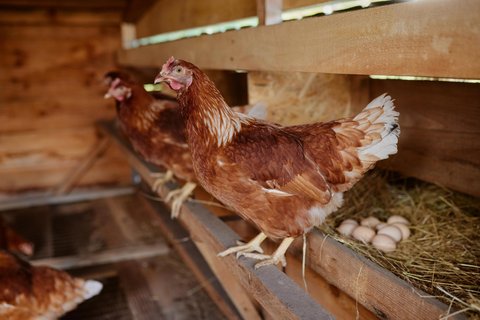
Broilers are poorly suited to keeping at home, as they gain weight quickly and start to suffer from leg and heart disease. Slow-growing and laying breeds are better for a smallholding. If you do raise a broiler, don't leave feed out all the time, make sure it can move about and rest in the dark, and slaughter it at a sensible age, before leg problems start.
How to tell a chicken is unwell
Lameness, reluctance to get up, sitting on the hocks, heavy breathing, a blue comb, loss of appetite and red skin on the breast are all signs that a bird should see a vet. People keeping hens at home should handle their birds regularly, as weight loss, wounds and swollen joints are easily missed under the feathers.
Why inspections and filming matter
Stories like this often begin with hidden cameras, because outsiders don't get into large sheds. The Danish case has made politicians talk about the rules as a whole, not just one farm. But undercover filming is no substitute for control: veterinary services should carry out regular checks on conditions, and the results should be available to the public.
What happens next
The minister warned in advance that a ban still needs studying from a legal and economic point of view. EU trade rules limit one country's ability to ban sales of imported goods. So Copenhagen is already talking about a European solution. In the coming months, the issue could come up for discussion among EU agriculture ministers.
What slower growth costs
A fast-growing bird eats less feed per kilogram of meat and frees up the shed sooner. If rearing is extended from 33 days to 56, a farmer needs more feed, more energy and more time for each batch. So meat costs more, and fewer batches leave the shed each year. Producers fear that without protection from imports, Danish farmers will lose the market. Supporters of a ban reply that the cost of cheap chicken is simply being passed on to the birds.
What changes for vets
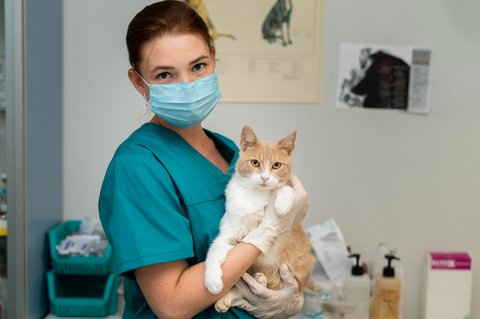
Poultry vets constantly deal with lameness, heart and lung disease, sudden deaths in fast-growing birds and the treatments linked with these conditions. Slower breeds are usually healthier and more active, so they need treatment less often. This matters for human health too: the less often birds need antibiotics, the lower the risk of resistant bacteria. But slow growth doesn't remove the need for good litter, ventilation and control of stocking density.
What science says about broiler welfare
The European Food Safety Authority, in its opinion on broiler welfare, listed lameness, heart disease, contact dermatitis and lack of movement among the main problems. Experts link them with very fast growth, high stocking density and poor litter. So banning a breed alone won't solve everything: it also matters how many birds there are per square metre, how much they sleep and whether they can move and peck.
Why films like this matter to the market
After undercover footage, shoppers often change what they buy, at least for a while, and shops start asking suppliers about conditions. Danish retail chains already sell welfare-labelled chicken, and its share could grow. For farmers it's a chance to earn a higher price for better conditions. But real change is only possible if requirements are the same for everyone, otherwise the market will go to whoever is cheapest.
What this means for Europe
For shoppers and farmers across Europe, the main question is what cheap meat really costs. If Denmark wins support, fast-growing breeds could gradually leave the market, and chicken would become more expensive. But birds would suffer less, and vets would probably see fewer diseases linked with growing too quickly.
When to see a vet
If you keep hens at home, see a vet if a bird is lame, won't get up, is breathing heavily, or has sharply reduced appetite or egg production. If several birds die suddenly, especially in autumn and winter, tell APHA immediately, as this may be bird flu or Newcastle disease, rather than a result of how they're kept.
Sources
- The Guardian, 3 November 2026