Contents
- What happened
- The largest outbreak in the country's history
- Where the virus was found
- The farm in Akershus
- One farm and six buyers
- Why the virus spreads quickly
- Why so many birds are culled
- What measures the authorities have taken
- Will there be a shortage of eggs and chicken?
- Is it dangerous for people?
- What farmers should look out for
- The farmers' view
- What highly pathogenic avian influenza is
- Autumn in Europe
- How the virus could have reached the farm
- Why the trade in young birds matters
- What protection zones are
- What backyard bird keepers should do
- How to keep the virus out of the poultry house
- Cats and dogs
- If you find a dead bird
- How it affects the market
- What happens to the affected farms
- What to expect next
- What it means for neighbours across Europe
- When to see a vet
What happened
On 15 November the Norwegian Food Safety Authority, Mattilsynet, reported five new outbreaks of highly pathogenic avian influenza on commercial poultry farms. Together with two cases confirmed a day earlier and shortly before that, the virus has now been found on seven holdings. Around 100,000 birds are to be culled.
The largest outbreak in the country's history
According to Mattilsynet, this is the largest bird flu outbreak ever recorded on commercial poultry holdings in Norway. The record applies both to the number of affected holdings and to how widely the virus has spread across the country: the outbreaks are in three counties in the south and south-west.
Where the virus was found
The first outbreak of this wave was detected in Klepp municipality in Rogaland, where 7,500 hens were culled. On 14 November the virus was confirmed on a farm in Akershus, not far from Oslo. On 15 November five more holdings were added: in the municipalities of Klepp, Tysvær and Stavanger in Rogaland and in Vennesla in Agder.
The farm in Akershus
On the farm in Akershus, 13,000 laying hens had to be culled. The owner suspected the disease and reported it on Thursday. Mattilsynet staff took samples and sent them to the Norwegian Veterinary Institute, and a positive result came back on Friday. A protection zone was set up around the farm straight away.
One farm and six buyers
On 16 November Mattilsynet's director general, Ingunn Midttun Godal, said the outbreak is linked to one holding that supplied young birds to six other farms. The virus has been confirmed at the supplier itself and at five of the six buyers. Even before that, inspectors had been looking into whether the infection could have spread through animal movements.
Mattilsynet, NRK, Anadolu Agency; 14–16.11.2026
Why the virus spreads quickly
Morten Tryland, a professor at the University of Inland Norway who has studied bird flu in animals for many years, called the situation serious. He said the time from infection to the first signs is short, and birds on Norwegian farms live close together. The more birds are infected, the more virus there is and the higher the risk for neighbouring flocks.
Why so many birds are culled
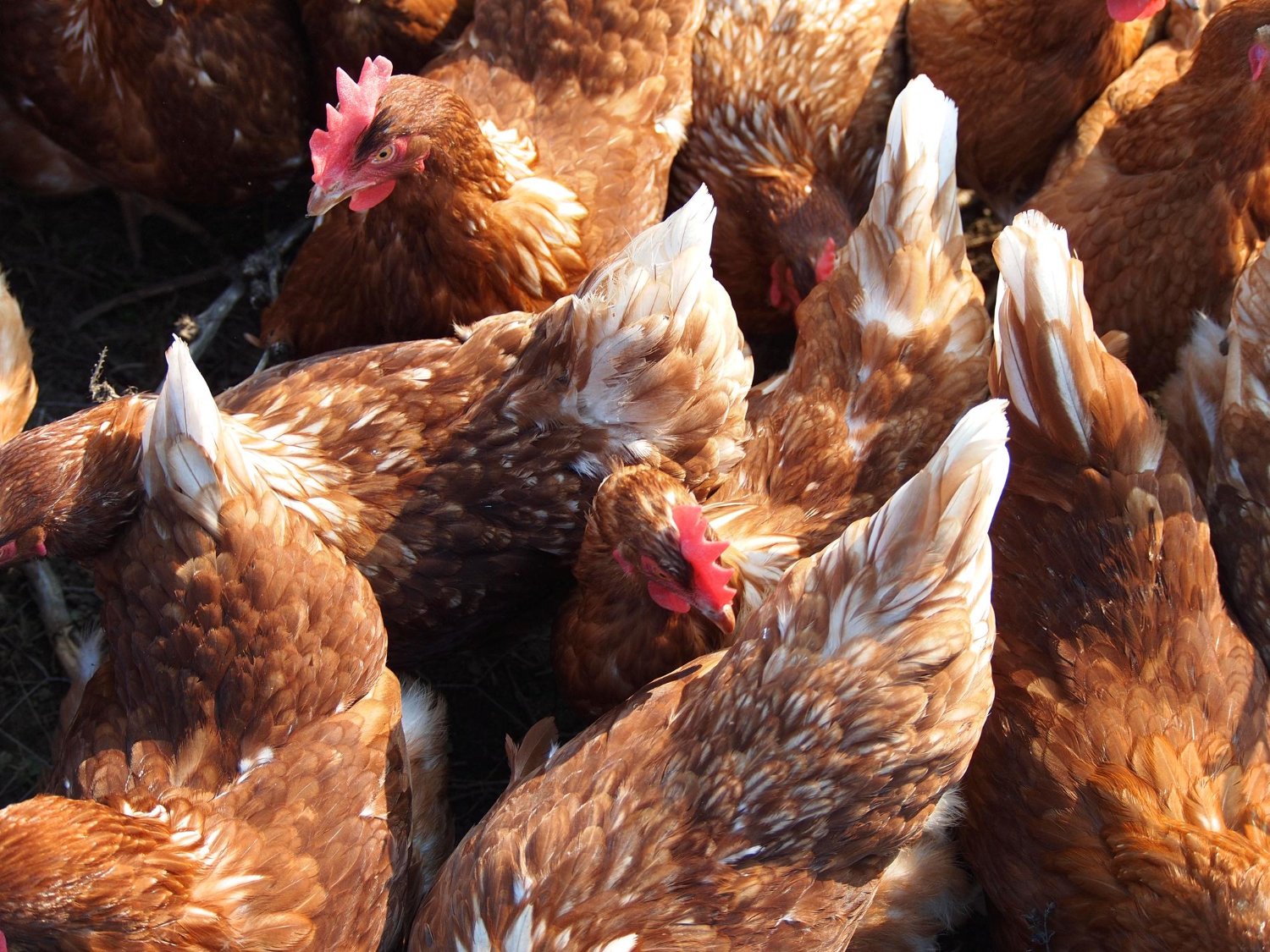
The number of birds culled is high because a single poultry house can hold a great many hens. According to the Akershus Farmers' Union, many producers keep up to 7,500 laying hens in one building. Once the virus reaches such a house, the flock cannot be saved and all the birds are culled.
What measures the authorities have taken
Zones with special rules have been set up around each outbreak. Strict restrictions apply there to everyone who keeps birds, from large farms to hobby keepers with a dozen hens in the garden. On 15 November Mattilsynet tightened the rules to stop the virus spreading further. Neighbouring farms are advised not to move animals and to pause egg sales.
Will there be a shortage of eggs and chicken?
Godal said it is too early to say whether the outbreak will lead to shortages. Mattilsynet is in contact with the Norwegian Agriculture Agency, which is responsible for the country's food supply. If necessary, the agency can increase imports of eggs and chicken so that the shelves do not go empty.
Is it dangerous for people?
The Norwegian Institute of Public Health rates the risk of human infection as very low. Eggs and poultry meat are safe to eat. The virus is killed by normal cooking, so chicken and eggs should be cooked as usual, all the way through, and good kitchen hygiene should be followed.
What farmers should look out for
Mattilsynet lists the signs that should be reported immediately: birds dying unexpectedly, stopping eating, laying fewer eggs, appearing lethargic or struggling to breathe. Early reporting, the authority stresses, makes a huge difference. That is exactly how the outbreak in Akershus was found: the owner contacted the inspectors directly.
The farmers' view
Kim Viggo Weiby, acting head of the Akershus Farmers' Union, described the situation as serious for poultry farmers in the county. The union promised to send biosecurity rules to its roughly 6,000 members and to support the affected farmer. Weiby urged people who keep birds for themselves to follow the rules too.
What highly pathogenic avian influenza is
Highly pathogenic avian influenza is a severe viral disease of birds that can kill almost an entire flock. The virus is carried by wild waterfowl, especially during the autumn migration. It reaches farms in droppings, feed and water, and on footwear, equipment and vehicles.
Autumn in Europe
In autumn 2026 bird flu is active across Europe. Outbreaks on farms are being confirmed in the Netherlands, the UK, Poland and other countries, and many states have made housing of poultry compulsory. Norway held out relatively well for a long time, but has now been hit by the largest outbreak in its history.
How the virus could have reached the farm
How the virus got onto the supplier farm is still being investigated. It usually reaches a poultry house from wild birds: in droppings on footwear, in bedding, in water or feed. It can then spread to other holdings with young birds, vehicles or people who visit several farms.
Why the trade in young birds matters
The Norwegian outbreak exposes a weak point in poultry farming: one farm can supply young birds to many holdings. If the virus gets in unnoticed, it quickly travels down the chain. That is why vets advise checking the health of birds before they are sold and keeping accurate records of who received them and when.
What protection zones are
Around an outbreak there is usually a protection zone and a wider surveillance zone. Movements of birds, eggs, manure and bedding are restricted there, and vets check neighbouring holdings. The restrictions are lifted only once it is clear that the virus has not spread further. A map of the zones is published on the Mattilsynet website.
What backyard bird keepers should do
If you keep a few hens or ducks, keep them so they cannot meet wild birds. Feed and water them only under cover and do not leave feed in the open. Use separate footwear for the poultry house, wash your hands and keep visitors out. Do not buy birds without papers and a health check.
How to keep the virus out of the poultry house
- Separate footwear and clothing only for the poultry house.
- A disinfectant mat at the entrance.
- Feed and bedding stored out of reach of wild birds.
- New birds kept in quarantine away from the flock.
- No visitors in the poultry house.
Cats and dogs
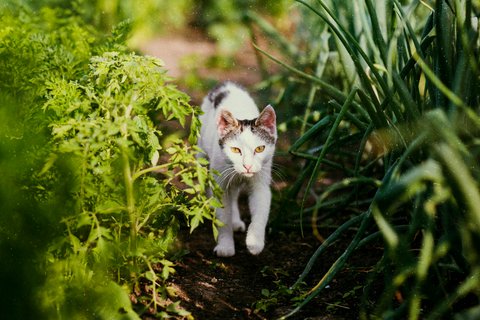
H5N1 bird flu sometimes infects cats that eat sick or dead birds or raw meat. During an outbreak, do not give your pets raw poultry and do not let them pick up dead birds on walks. In places where dead wild birds are being found, it is best to keep dogs on a lead.
If you find a dead bird
Dead wild birds must not be touched with bare hands or taken home. If you find several dead birds in one place, especially waterfowl or birds of prey, report it to the veterinary service in your country. Such finds help experts understand where the virus is currently circulating.
How it affects the market
Norway is largely self-sufficient in eggs and chicken. A major outbreak can therefore affect supply faster than in countries that already import a lot. The authorities say they will monitor the situation and buy products from abroad if necessary.
What happens to the affected farms
After the birds are culled, the holdings are cleaned and disinfected. New birds can only be brought in after an inspection and approval by the veterinary service. For farmers this means weeks or months without income, so the farmers' union has promised to help those affected with paperwork and advice.
What to expect next
Mattilsynet is continuing to trace the contacts of all the farms that received young birds and to check neighbouring holdings. Further outbreaks cannot be ruled out, especially while the autumn migration of wild birds continues. The authority warns that measures can be tightened quickly if needed.
What it means for neighbours across Europe
For Sweden, Finland and other Nordic countries, the Norwegian outbreak is a reason to review their own biosecurity. Migratory birds know no borders, and the trade in young birds and equipment links holdings in different regions. Early reporting of disease remains the main line of defence.
When to see a vet
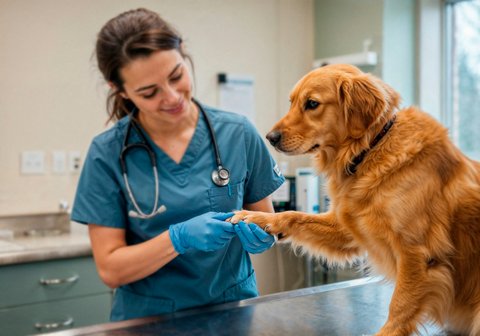
If your hens or ducks die unexpectedly, stop eating, lay fewer eggs, sit hunched up, struggle to breathe or have a swollen head, contact a vet or the veterinary service straight away. If your cat has eaten a dead bird and becomes lethargic, stops eating, has difficulty breathing or has seizures, take it to a vet urgently as well.
Sources
- Mattilsynet, 15 November 2026
- NRK, 14 November 2026
- NRK, 15 November 2026
- Anadolu Agency, 16 November 2026