Contents
- What happened
- Mysterious deaths
- What the geneticists found
- How the disease is passed on
- Only about thirty ancestors
- Where the mutation came from
- How the mutation spread
- How many lynx were affected
- A world first
- A lesson for reintroductions
- How wildlife post-mortems work
- Why the disease was not noticed at once
- Can sick lynx cubs be treated?
- Lynx in Switzerland today
- Heart problems
- Three lynx shot dead
- Every animal counts
- What can be done
- Why inbreeding is dangerous
- Parallels with domestic cats
- Genetic tests in cats
- Phosphorus metabolism and kidneys in cats
- What it means for Europe
- Cooperation between countries
- What happens next
- If you meet a lynx
- When to see a vet
What happened
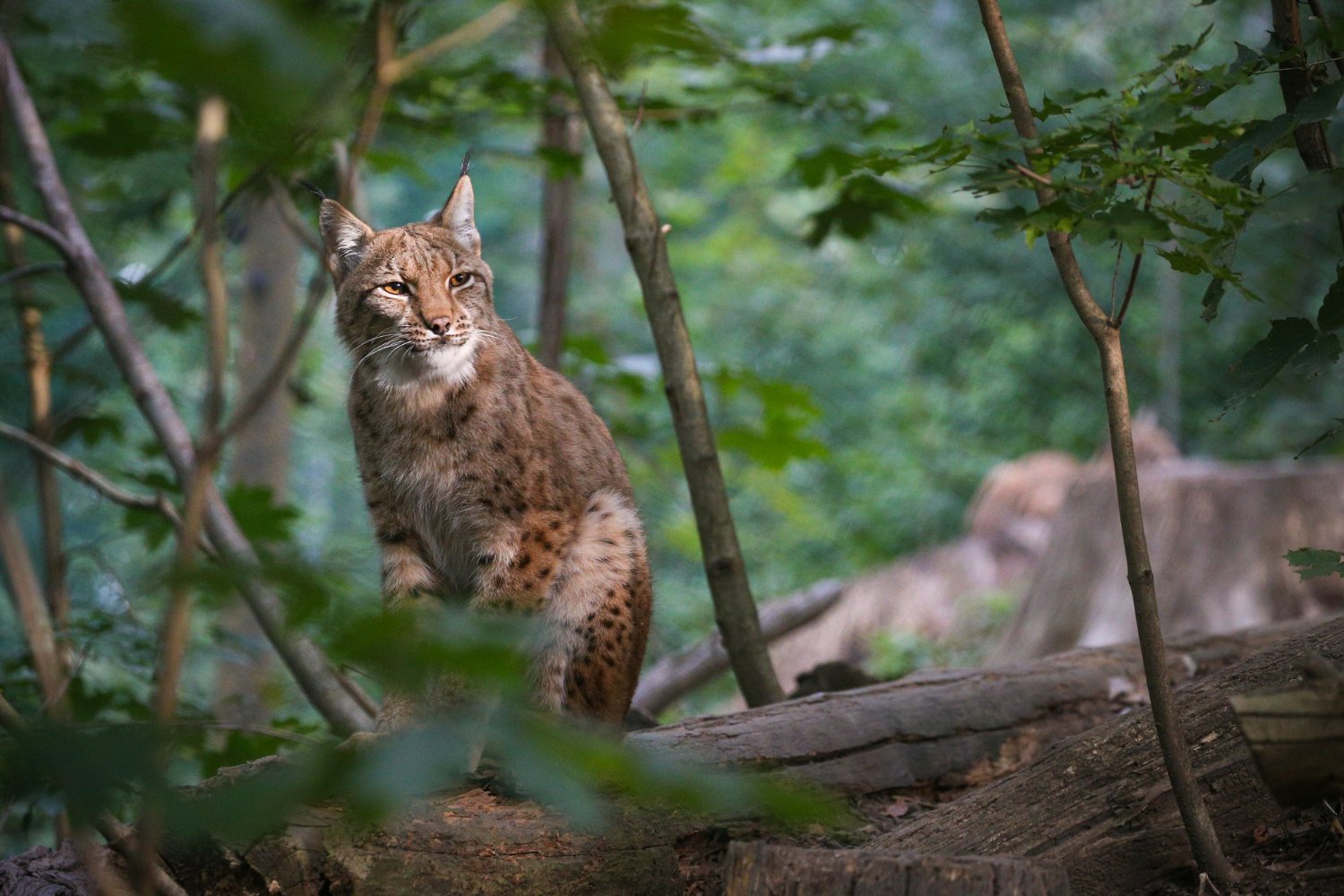
On 16 November the University of Bern announced the answer to a puzzle that vets had been working on for several years. Young lynx in north-eastern Switzerland are dying of an inherited disease: calcium is deposited in their internal organs, and the organs stop working. The cause is a mutation in the FGF23 gene that became established in the population through inbreeding.
Mysterious deaths
In Switzerland every lynx found dead is sent for a post-mortem to the University of Bern's Institute for Fish and Wildlife Health. Year after year, cubs and young animals arrived on the dissecting table with the same strange changes: heavy calcium deposits in their organs. The animals did not live to adulthood, and for a long time no one knew why.
What the geneticists found
The scientists sequenced the genomes of the dead lynx and found the cause: a mutation in the FGF23 gene. This gene codes for a hormone that controls phosphorus and calcium metabolism. When it does not work, phosphorus and calcium build up in the blood and are deposited in the tissues. The organs gradually harden and lose their ability to function.
How the disease is passed on
The mutation is recessive. This means a cub only falls ill if it has inherited the altered gene from both its mother and its father. A lynx with one copy stays healthy and looks no different from the others, but can pass the mutation on to its offspring. That is why carriers cannot be recognised by sight.
University of Bern, Keystone-SDA; 16.11.2026
Only about thirty ancestors
Lynx had been wiped out in Switzerland by the early 20th century. In the 1970s they were brought back: about 30 animals from the Carpathians were released in the country. The population grew, but all of today's lynx descend from those few founders. Genetic diversity was small from the start, and over time the animals increasingly mated with relatives.
Where the mutation came from
The researchers traced the gene's path. The mutation did not arise in the north-east but in the Alpine population. Between 2001 and 2008, lynx from the Alps and the Jura mountains were moved to the north-east of the country to link scattered groups. Some of the relocated animals were already carrying the altered gene without anyone knowing.
How the mutation spread
The new population in the north-east was very small. A few animals left many offspring, and the mutation quickly spread through the group. Relatives then began to mate with each other, and more cubs were born with two copies. It was in them that the fatal disease appeared.
How many lynx were affected
The scientists found two copies of the mutation in 12 lynx. Eleven of them lived in north-eastern Switzerland. Another case was identified retrospectively in the south-west of the country, among animals examined earlier. How many healthy carriers of a single copy live in the wild is not yet known.
A world first
The study has been published in the journal Nature Ecology & Evolution. According to the authors, it is the first time anywhere in the world that a genetic cause has been proven for a fatal inherited disease in a free-living wild animal population. Until now such links have mainly been found in domestic animals and in zoos, where pedigrees are known.
A lesson for reintroductions
The scientists' main conclusion is that when animals are returned to the wild, the founders need to be genetically diverse. If a population is started from a few dozen related animals, hidden inherited defects will inevitably appear a few generations later. This applies not only to lynx but to any species being brought back to Europe.
How wildlife post-mortems work
Compulsory post-mortems on lynx found dead are rare in Europe. Thanks to this practice, vets in Bern have collected tissue and data on every animal for years. Without this archive, the geneticists could not have compared sick and healthy lynx and found the mutation. It shows how routine wildlife surveillance can lead to scientific discoveries.
Why the disease was not noticed at once
Young lynx die in the wild for many reasons: hunger, disease, traffic and other predators. Their bodies are often never found. So it took several years before vets had collected enough identical cases to realise this was not a coincidence but a distinct disease with a common cause.
Can sick lynx cubs be treated?
Treating wild lynx cubs for inherited calcification is practically impossible: the disease develops unnoticed and the animals die in the wild. The scientists are therefore focusing not on treatment but on prevention, reducing the share of carriers in the population by bringing in new genes.
Lynx in Switzerland today
Several hundred lynx live in Switzerland today, most of them in the Alps, fewer in the Jura mountains and very few in the north-east. The populations are almost isolated from one another, separated by towns, motorways and lakes. That is why gene flow between them is very slow.
Heart problems
Vets at the University of Bern have long been studying other diseases of Swiss lynx too. They have previously reported frequent heart defects in animals from the Alpine population and suspected that these are also inherited. The new work confirms that inbreeding is already affecting the health of these wild cats.
Three lynx shot dead
The news came a few days after a sad incident. On 7 November a female lynx and two of her cubs born this year were found dead by a road in Oberegg in the canton of Appenzell Innerrhoden. All three had gunshot wounds. The lynx is protected by law in Switzerland; the police have opened a case and say the animals were not shot where they were found.
Every animal counts
For the small population in the north-east, losing an adult female with her young is a heavy blow. A female can raise cubs every year, and her death slows the group's growth. Poaching and road accidents, together with inherited disease, create pressure that a small population struggles to withstand.
What can be done
Experts say the main remedy is fresh blood. This could mean releasing lynx from other countries with a different genetic makeup. Wildlife bridges and corridors are also needed so that animals can move between populations. But finding suitable animals abroad is not easy, as other countries need them too.
Why inbreeding is dangerous
Every animal carries hidden harmful mutations, but usually only one copy, so they do not show. When relatives mate, the chance increases that an offspring will receive two identical copies. The hidden defect then becomes a disease. The smaller the population, the faster this happens.
Parallels with domestic cats
Vets are familiar with stories like this from domestic animals. Many cat and dog breeds have inherited diseases that spread because only a small number of animals were used for breeding. Genetic tests and careful pairing help to combat them. Wild lynx have no such selection, so nature needs human help.
Genetic tests in cats
Owners of pedigree cats should know that DNA tests are already available for many inherited diseases, such as polycystic kidney disease, some forms of cardiomyopathy and retinal atrophy. Responsible breeders test their breeding animals and do not mate two carriers. Ask about this when buying a kitten.
Phosphorus metabolism and kidneys in cats
Disorders of phosphorus and calcium metabolism also occur in domestic cats, especially older cats with chronic kidney disease. Phosphorus levels in the blood rise, and vets prescribe special diets and medication. That is why cats over seven are advised to have regular blood and urine tests.
What it means for Europe
Lynx, wolves, bears, bison and bearded vultures are returning to various parts of Europe, often from small founding groups. The Swiss study shows that within a few decades such projects may face inherited diseases. Genetic monitoring and exchanging animals between countries should become a normal part of these programmes.
Cooperation between countries
Europe's lynx populations are scattered from France to the Czech Republic and Poland, and many of them were also founded from a small number of animals. Exchanging animals between projects could help them all. This requires shared genetic databases and agreements between countries on moving animals.
What happens next
The Bern scientists are continuing to study how many lynx carry the mutation and how it affects population growth. The results will help decide which animals to bring in, and from where, to refresh the gene pool. One thing is already clear: the success story of Switzerland's lynx needs new efforts if it is not to end in a genetic dead end.
If you meet a lynx
Lynx rarely attack people and usually move away on their own. Do not approach a lynx or try to feed it. If you find a dead or injured lynx, do not touch it and inform a game warden or the police: every body matters for research and for investigating poaching.
When to see a vet
If your cat drinks a lot and urinates often, loses weight, eats poorly, vomits or has bad breath, see a vet: these may be signs of kidney disease and disturbed phosphorus metabolism. Before buying a pedigree kitten, ask the breeder about genetic tests on the parents.
Sources
- blue News / Keystone-SDA, 16 November 2026
- swissinfo.ch / Keystone-SDA, 9 November 2026