Contents
- What happened
- A vet's story
- The bird keeper's disease
- A case in Belgium
- A report on the risks
- Why animal cafés are risky
- Stress weakens immunity
- Unknown viruses
- Salmonella from reptiles
- Lessons from history
- Trade and shared diseases
- Primates and tuberculosis
- Parasites carry disease too
- Drug resistance
- Illegal trade
- Bird flu in hundreds of species
- What experts propose
- If you want an exotic pet
- Turtles and children
- Parrots at home
- Animal cafés: how to reduce the risk
- Animal welfare
- Surveillance after import
- Exotics and vets
- What it means for Europe
- When to see a vet
What happened
On 13 November 2026 the outlet Mongabay published an investigation into how animal cafés, petting zoos and the exotic pet trade in India are bringing dangerous infections into public spaces. The authors draw on accounts from vets and a new report by the organisation Humane World for Animals. Experts are calling for tighter surveillance of the wildlife trade.
A vet's story
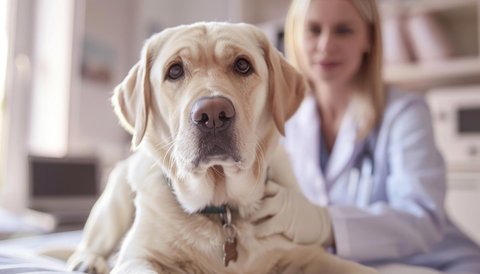
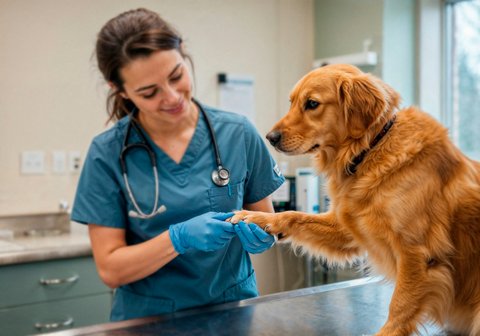
Mumbai vet Rina Dev treats birds and exotic animals seized by the forest department from illegal traders. She recently spent four days in hospital with a lung infection. "I hope it isn't from the parrots I was treating," she said after being discharged. Her concerns were well founded.
The bird keeper's disease
Psittacosis is caused by a bacterium that often infects people who work with birds. It is even called "parrot fever". The disease causes high fever, chills, coughing, shortness of breath and joint pain. Common broad-spectrum antibiotics sometimes fail, but with the right treatment people recover.
A case in Belgium
The link between the animal trade and human infections has been described many times. Mongabay cites an example from Belgium: 15 customs officers fell ill with psittacosis after contact with infected budgerigars. As far back as 2021, the Indian Veterinary Research Institute described the disease as an infection with "critical zoonotic potential".
A report on the risks
The 2026 Humane World for Animals report says that the exotic pet trade in India creates very favourable conditions for disease transmission. To prevent future outbreaks, risks to the health of people, animals and ecosystems must be closely monitored. The report also points to the absence in India of a unified system for monitoring disease in imported animals.
Mongabay; 13 November 2026
Why animal cafés are risky
In animal cafés, petting zoos and at public events, people stroke, feed and photograph animals, and children pick them up. This increases the number of close contacts. With weak rules and poor oversight, an outbreak that begins in such a place is hard to trace.
Stress weakens immunity
Animals caught in the wild or bred in captivity go through capture, long journeys, crowding and poor care. All of this weakens their immunity. In shops and markets, animals from different parts of the world are kept side by side. Pathogens thus pass easily from one species to another, and from there to people.
Unknown viruses
According to the report's estimate, there are about 1.7 million unknown viruses in mammals and birds, and around 850,000 of them could potentially infect humans. Many diseases have not yet been described. The COVID-19 pandemic showed what can happen when a pathogen jumps from animals to people.
Salmonella from reptiles
Birds, reptiles and primates sold as pets can carry salmonella and the bacterium that causes psittacosis. In July 2025, Singapore seized a consignment of 2,500 red-eared sliders in which salmonella was found. Around the same time in the US, pet geckos caused a salmonellosis outbreak affecting 113 people in 36 states.
Lessons from history
Mongabay recalls how wild animals have acted as intermediaries for disease: the SARS virus reached people through masked palm civets in markets, the Nipah virus in Malaysia passed from bats to pigs and then to people, and Middle East respiratory syndrome is linked to dromedary camels.
Trade and shared diseases
An analysis of 40 years of wildlife trade data, published in the journal Science, showed that traded mammal species are 50% more likely to share pathogens with humans. The longer a species is traded, the more such pathogens it has: on average, one additional pathogen for every ten years.
Primates and tuberculosis
Vet Rina Dev notes that tuberculosis is increasingly being detected in primates. Uttara Mendiratta, a researcher of poaching and illegal trade, explains that primates are close to humans, so diseases pass easily between them and people. Keeping a monkey at home is dangerous both for the animal and for the family.
Parasites carry disease too
It is not only viruses and bacteria that are a concern. Ticks and intestinal parasites of exotic animals can also cause disease. Dev has found signs of Lyme disease when checking traded animals. Fleas carry the plague pathogen, and mosquitoes carry West Nile virus, dengue and other diseases.
Drug resistance
New research shows that a wide range of pathogens is found in exotic pets, and many of them are resistant to antibiotics. This is a global problem: bacteria, viruses, fungi and parasites are ceasing to respond to medicines. Transport and the mixing of animals in captivity speed up the spread of such bacteria.
Illegal trade
The wildlife trade is the fourth-largest form of transnational illegal activity after drugs, human trafficking and arms. But legally sold animals can also carry disease. A review of 82 studies of illegal trade identified 240 instances of pathogens, more than 60% of them with known zoonotic potential.
Bird flu in hundreds of species
The vet also points to bird flu: according to the article, it currently affects around 613 bird species and 112 mammal species on all seven continents. In June 2026 it reached Australia. The bird trade is one of the routes by which the virus can reach new places.
What experts propose
Experts believe that the whole wildlife trade, including the growing exotic pet market, needs a One Health approach that brings together human and animal health. They call for new research, careful surveillance and tighter control of wildlife imports and exports.
If you want an exotic pet
Before buying an exotic animal:
- Find out whether it is legal to keep and where it comes from.
- Find out which diseases it may carry.
- Find a vet who works with the species.
- Quarantine the animal and have it examined.
- Wash your hands thoroughly after contact and cleaning.
Turtles and children
Red-eared sliders and other reptiles are often a child's first pet. But reptiles frequently shed salmonella even when they look healthy. Doctors advise young children, pregnant women and people with weakened immune systems to avoid close contact with reptiles. Hands should be washed with soap after contact and after cleaning the tank.
Parrots at home
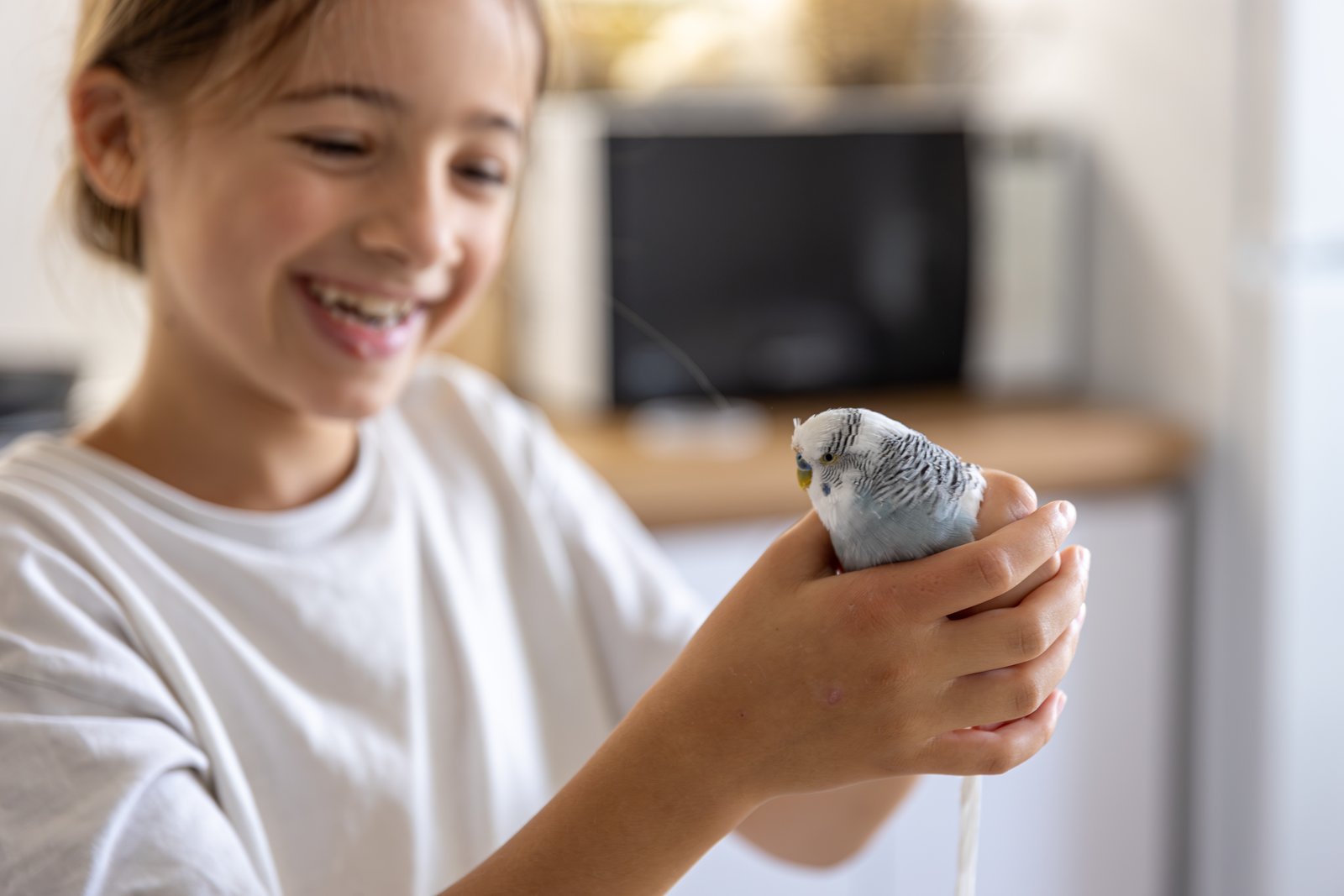
Parrots are popular pet birds, and most are healthy. But psittacosis can be hidden in a bird. Signs of illness in birds include ruffled feathers, lethargy, discharge from the eyes and beak, and diarrhoea. A new bird should be checked by a vet and kept separate for several weeks, and the cage cleaned with protection against dust.
Animal cafés: how to reduce the risk
If you visit an animal café or petting zoo, wash your hands after contact, do not eat near the animals, and do not let children kiss animals or put their fingers in their mouths. Pay attention to the conditions: dirt, crowding and animals that look ill are a reason to leave.
Animal welfare
Animal welfare campaigners point out that cafés with wild animals are often unsuitable for the animals themselves: noise, constant handling, unsuitable lighting and food cause stress. Responsible venues work only with domestic animals, such as cats from a shelter, and give them the chance to get away from people.
Surveillance after import
The report stresses that the lack of surveillance of imported animals is not unique to India but affects many countries. After customs, animals pass to traders and owners, and nobody monitors their health from then on. It is precisely in this period that a disease can pass unnoticed to people.
Exotics and vets
Few vets treat exotic animals, and their expertise is often insufficient. Many owners see a vet too late, when the animal is already seriously ill. Vets who work with exotic species risk infection themselves, so they need protective equipment and knowledge of zoonoses.
What it means for Europe
Europe is one of the largest markets for exotic animals, especially reptiles and birds. Outbreaks of salmonellosis and psittacosis linked to pets have been recorded here too. The Indian example reminds European owners and visitors to animal cafés of simple hygiene rules and that a wild animal is not a toy. In the UK, psittacosis cases linked to pet birds are monitored by the UK Health Security Agency.
When to see a vet
Take an exotic pet to a vet if it is lethargic, stops eating, has discharge from the eyes, nose or beak, diarrhoea, ruffled feathers or changes to its skin or shell. If you develop a fever, cough or diarrhoea after contact with birds or reptiles, see a doctor and mention your contact with animals.
Sources
- Mongabay, 13 November 2026