Contents
- What happened
- 200,000 chickens
- The prime minister's instructions
- The governor's words
- A second outbreak in Chiba
- Hong Kong halts imports
- How Japan fights the virus
- Migratory birds
- Last season
- Egg prices
- Biosecurity on farms
- Compensation for farmers
- The early warning: bird deaths
- The risk to people
- Eggs and meat are safe
- Cats and bird flu
- Backyard poultry
- Why a rapid response matters
- Poultry vaccination
- International trade
- The season is only beginning
- Kameoka and the region
- How a flock is culled
- Zones around the farm
- Wild birds as a signal
- What it means for Europe
- When to see a vet
What happened
On 11 November 2026 the authorities in Japan's Kyoto Prefecture reported suspected highly pathogenic avian influenza at a poultry farm in the city of Kameoka. The farm itself contacted the local livestock hygiene service centre after noticing a sharp rise in chicken deaths. On 12 November a genetic test confirmed the virus. It is the first outbreak of the new season on Japanese poultry farms.
200,000 chickens
The Kameoka farm keeps around 200,000 chickens, and under Japanese rules the entire flock is culled. Some reports gave a figure of 20,000, so the exact number still needs to be checked against prefectural data. Movement restriction zones are being set up around the farm, and neighbouring holdings are being inspected.
The prime minister's instructions
Japanese Prime Minister Sanae Takaichi told the agriculture ministry and other agencies to take urgent, coordinated action. They are to give farmers guidance and support on prevention, urge them to stay highly vigilant and make sure the public receives accurate information. In Japan, bird flu has traditionally been treated as a matter of national importance.
The governor's words
Kyoto Governor Takatoshi Nishiwaki instructed officials to be fully prepared for disease-control measures so that the virus does not spread to other farms. "We will do everything we can to complete the measures as quickly as possible if the test comes back positive," he told reporters. State Minister of Agriculture Hiroo Kotera promised the prefecture support.
Jiji Press, The Japan Times; 11–13 November 2026
A second outbreak in Chiba
On 13 November Japanese media reported a second outbreak of the season, at a farm in Chiba Prefecture east of Tokyo. According to the Anadolu agency, around 40,000 chickens will be culled there. Chiba is one of the major egg-producing areas, and last season was hard there too. Details are still being clarified.
Hong Kong halts imports
After the Kyoto outbreak, the Hong Kong authorities suspended imports of poultry and poultry products from the prefecture. Hong Kong regularly imposes such restrictions: a day earlier it had suspended imports from certain areas of South Korea and the Netherlands, where the virus had also been found. For Japanese exporters it is a noticeable blow.
How Japan fights the virus
The Japanese system is strict: once the virus is confirmed, the whole flock is culled, the farm is disinfected, and zones with a radius of 3 and 10 kilometres are set up around it. Prefectural staff and even the Self-Defense Forces are often called in to help carry out the cull quickly. The aim is to stop the virus within a few days.
Migratory birds
The virus is usually brought to Japan by migratory birds arriving from the north in autumn, from Russia, China and Korea. Ducks, geese and swans winter on Japanese lakes and rice fields. That is why the outbreak season begins in October and November and lasts until spring.
Last season
Last season was a hard one in Japan: outbreaks occurred in many prefectures, several in Kyoto alone, and millions of chickens were culled. This hit the price of eggs, which are considered a staple food in Japan. That is why news of the first outbreak reached the prime minister so quickly.
Egg prices
When large flocks of laying hens are culled, fewer eggs reach the market and prices rise. Japanese consumers remember the "egg shock", when eggs became sharply more expensive because of bird flu. The authorities try to prevent a repeat by stamping out outbreaks quickly and supporting farms as they recover.
Biosecurity on farms
Japanese farms are required to protect their poultry houses from wild birds and rodents: netting, closed windows, disinfection of vehicles and footwear, and restricted access for people. Inspections show that the virus often gets in through small gaps, rats or contaminated footwear. Every outbreak ends with an investigation into how the virus entered the farm.
Compensation for farmers
Farmers whose birds are culled receive state compensation if they have followed biosecurity rules. This is an important incentive: holdings have a reason to report suspicions promptly rather than hide bird deaths. According to reports, the Kameoka farm contacted vets on the same day it noticed the problem.
The early warning: bird deaths
The main sign of highly pathogenic flu on a farm is a sharp rise in bird deaths. That is exactly how the outbreak in Kameoka was spotted. So Japanese authorities require farmers to record dead birds daily and report immediately if numbers exceed the norm. The earlier the signal, the lower the risk that the virus spreads to neighbouring farms.
The risk to people
No human infections have been reported in connection with the Japanese outbreaks. Experts say the risk to the general public remains low. The danger is mainly to those in direct contact with sick birds, which is why workers carrying out the cull wear protective suits and masks.
Eggs and meat are safe
The Japanese authorities regularly remind people that eggs and chicken sold in shops are safe. Birds from farms where the virus has been found do not reach the market. In addition, the virus is killed by cooking, so properly cooked food poses no danger.
Cats and bird flu
In various countries cats have been infected with the H5N1 virus after contact with sick birds or after eating raw poultry or drinking raw milk. In cats the disease is severe. Vets advise not feeding cats raw poultry and not letting them out where dead wild birds are being found.
Backyard poultry
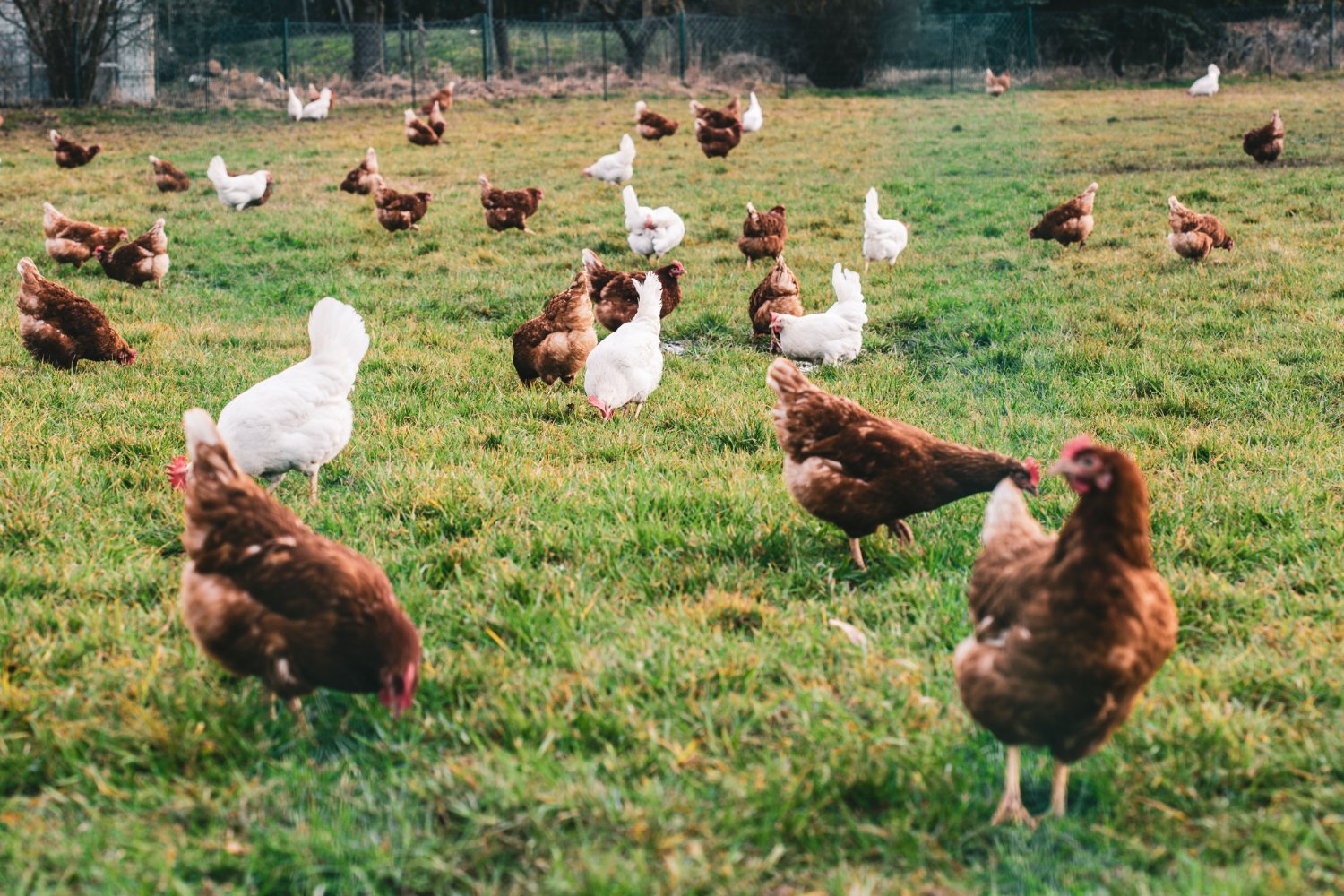
In Japan, as in Europe, people keep chickens at home and at schools. They are advised to protect their birds from wild birds with netting, prevent contact with waterfowl and report unusual deaths to the prefecture. Even a small coop can become a source of the virus.
Why a rapid response matters
Japan's experience shows that the faster a flock is culled and the farm disinfected after the first signs, the less the virus spreads. A delay of a few days can lead to neighbouring holdings becoming infected. That is why decisions in Japan are made in hours, not weeks.
Poultry vaccination
Japan, like many countries, does not vaccinate chickens against bird flu on a large scale. Vaccination makes it harder to detect the virus and can cause problems with exports. The focus is on biosecurity, rapid detection and culling of infected flocks. But the global debate on vaccination continues.
International trade
Every outbreak brings trade restrictions: importing countries close their markets to products from affected regions. Hong Kong, Singapore and other markets are watching the situation in Japan. Restrictions are often imposed not on the whole country but on a single prefecture, which helps preserve exports from unaffected areas.
The season is only beginning
Two outbreaks in the first few days are a worrying sign. Experts expect the virus to be found on other farms as more migratory birds arrive. Japanese prefectures are stepping up inspections, holding drills and reminding farmers of the rules for protecting poultry houses.
Kameoka and the region
Kameoka is a city west of Kyoto's historic centre, surrounded by mountains and farmland. The region has many poultry farms supplying eggs to the big cities of the Kansai area. An outbreak at a large farm close to a major city always draws heightened attention from the authorities and consumers.
How a flock is culled
Culling 200,000 chickens is a huge task. The birds are killed with gas, the carcasses buried or incinerated, and the poultry houses cleaned and disinfected. Teams work round the clock in shifts to finish within a few days. Those involved are checked afterwards, and their clothing and equipment decontaminated.
Zones around the farm
Around an infected farm there is usually a 3-kilometre zone in which moving poultry and eggs is banned, and a 10-kilometre zone from which poultry may not be taken out. Vehicle disinfection points are set up on the roads. Restrictions are lifted if no new cases appear within a set period.
Wild birds as a signal
Even before outbreaks on farms, the Japanese authorities find the virus in wild birds: ducks, swans and cranes. The Ministry of the Environment publishes these findings, and prefectures warn farmers in advance. Each case in wild birds is a reason to strengthen protection of poultry houses in the area.
What it means for Europe
Europe is going through a similar season: outbreaks in the UK, the Netherlands, Germany and other countries, and bans on keeping poultry outdoors. Japan's experience — a rapid response, strict biosecurity and compensation for those who report in time — is useful for European farmers and backyard keepers too. The virus is spread by migratory birds across the whole northern hemisphere.
When to see a vet
Contact a vet or the veterinary authorities if your chickens, ducks or geese suddenly die, become lethargic, stop eating, lay fewer eggs, have swollen heads, a bluish comb or difficulty breathing. In the UK, suspected bird flu must be reported to the Defra Rural Services Helpline. Take your cat to the vet if it develops a fever, lethargy, a cough or loss of coordination after contact with birds.
Sources
- Nation Thailand (Jiji Press), 11 November 2026
- Reuters, The Japan News, Asahi, 12 November 2026
- The Japan Times, 13 November 2026
- The Standard (Hong Kong), 13 November 2026