Contents
- What happened
- How the virus was found
- 22 states
- Washington is the main hotspot
- The union's statement
- Why workers stay silent
- Symptoms in people
- A death in Yakima County
- Is milk safe?
- How the virus reaches cows
- Signs of disease in cows
- Cats on dairy farms
- Raw pet food
- Protecting workers
- Why counting cases matters
- Vaccines for people and animals
- The situation in poultry
- National milk testing
- Farmers should report
- The risk to the public
- The Yakima Valley
- Moving cows
- What the science says
- Why cows are a new problem
- What it means for Europe
- When to see a vet
What happened
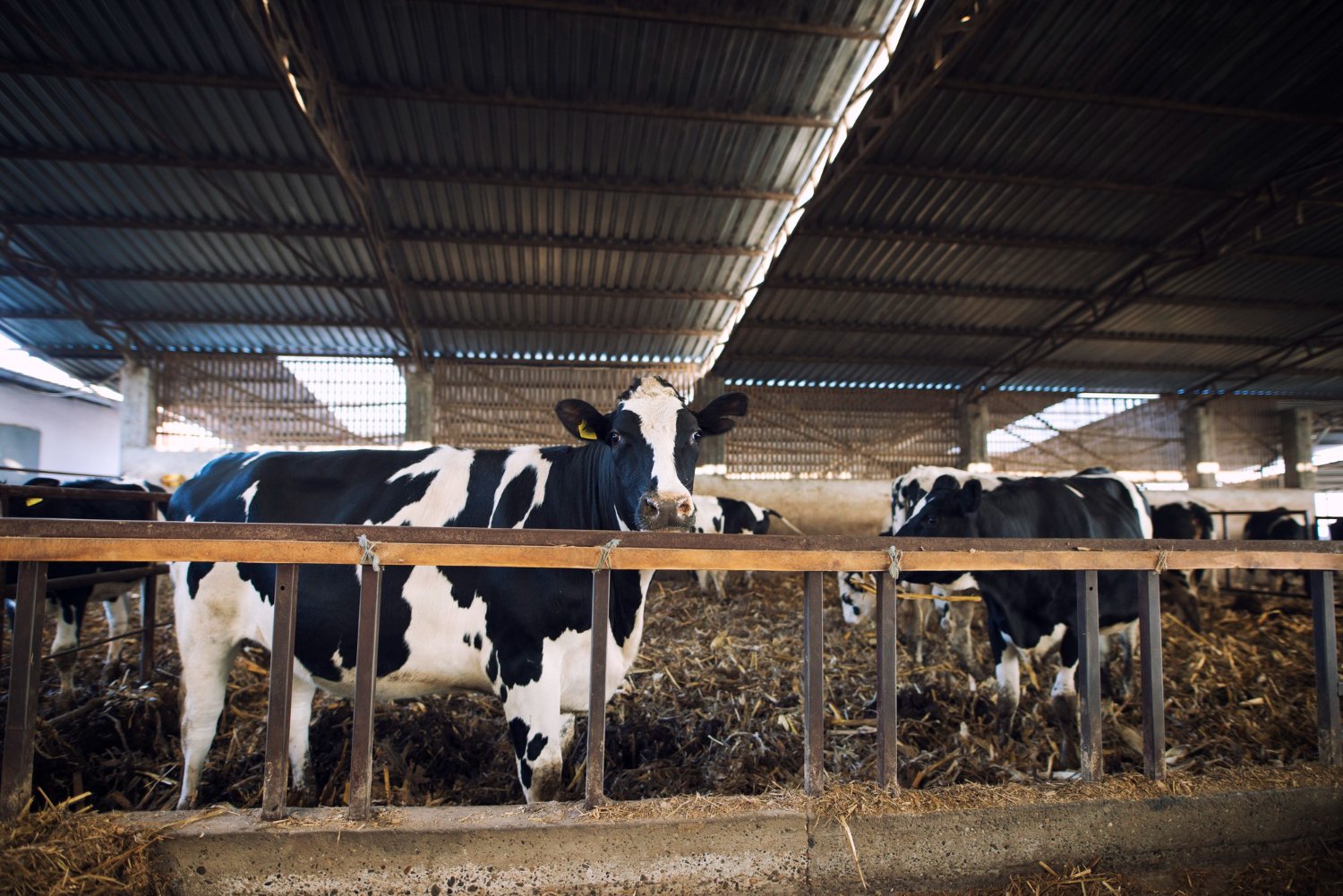
This week the US Department of Agriculture's Animal and Plant Health Inspection Service (APHIS) reported the detection of H5N1 bird flu in a dairy herd in Oregon for the first time. On 12 November 2026 the infectious disease research centre CIDRAP reported in detail on the outbreak and on a farmworkers' union statement about human illness.
How the virus was found
The Oregon herd was tested as part of ongoing surveillance of bird flu in dairy cattle. Until then it had consistently tested negative under the national milk testing programme. This shows that regular milk testing helps find the virus even where the cows do not yet look ill.
22 states
Since 2024, when bird flu was first found in dairy cattle, the virus has been detected in 22 states. Oregon is the newest place on that map. The department stresses that the finding does not change its strategy: livestock owners must report animals showing signs of illness and unusual deaths of wild animals to the state veterinarian.
Washington is the main hotspot
Most cases at present are in neighbouring Washington State, especially in the Yakima Valley. There, 43 infected herds have been recorded since 8 October. Over the past 30 days the virus was found in 51 herds nationwide, and in the last week alone in two more herds in Idaho and one in Oregon.
CIDRAP, USDA and CDC data; 12 November 2026
The union's statement
The United Farm Workers union published a statement on H5N1 cases among dairy workers in the Yakima Valley. According to the union, illness is heavily under-counted. Many workers are migrants, large-scale raids by the immigration agency ICE are currently under way in the valley, and people are afraid of checks.
Why workers stay silent
The union writes that workers with mild symptoms do not want to be tested or miss work, because sick cows still need care. Many fear ICE-related retaliation from employers if they do not follow instructions. According to the union, workers are given only goggles and gloves for handling raw milk.
Symptoms in people
According to the union, workers' symptoms vary: from a mild upper respiratory infection with conjunctivitis to severe flu with bone pain, a bad cough and high fever. The union stresses that there is no evidence of human-to-human transmission — people are infected by sick animals and milk at work.
A death in Yakima County
In early November a Yakima County resident with underlying conditions died of H5N1, and two others were infected. All had worked with dairy cows. It is the only H5N1 death in the US in 2026 and the third since 2024. According to the CDC, 74 human cases have been recorded in the country since 2024.
Is milk safe?
The Department of Agriculture and the FDA say the finding poses no threat to consumers. Pasteurisation reliably kills the virus, so pasteurised milk from shops is safe. The danger lies in raw, unpasteurised milk: the virus can survive in it, and people are advised not to drink it or give it to animals.
How the virus reaches cows
In cows the virus is most often found in the udder and milk. It is thought to pass between animals via milking equipment, workers' hands and milk. It is brought to new farms with transported cows, machinery and people. That is why disinfecting milking parlours and restricting cattle movements matter.
Signs of disease in cows
Sick cows show a sharp drop in milk yield; the milk becomes thick, like colostrum; the animals eat poorly, are lethargic, and some develop a fever. Most cows recover within a few weeks, but the loss of milk is significant for farms. Mortality in cows is low.
Cats on dairy farms
On American farms H5N1 has killed many cats that drank raw milk from sick cows. In cats the virus attacks the brain and lungs, causing loss of coordination, blindness, seizures and difficulty breathing. It is a serious warning for owners who give their pets raw milk or raw meat.
Raw pet food
In the US there have already been cases of cats falling ill after eating raw poultry-based food. Manufacturers recalled products. Vets advise not feeding cats and dogs raw poultry or raw milk, especially when the virus is active. Cooked foods are safe.
Protecting workers
Occupational health specialists insist that people on farms with sick cows need goggles, gloves, respirators and access to testing without fear of losing their job. Without this, the virus goes unnoticed for longer and the risk of new variants grows. The union is demanding greater protection from employers and the authorities.
Why counting cases matters
When human cases go unrecorded, scientists cannot see how the virus is changing. Every uncounted case is a missed opportunity to spot mutations that could help the virus spread more easily among people. That is why virologists are more worried by claims of hidden illness than by the outbreak in cows itself.
Vaccines for people and animals
The US is developing H5N1 vaccines for poultry and cows and holds vaccine stocks for people in high-risk groups. But there is no mass vaccination yet. The Department of Agriculture is funding universities to develop vaccines, for example for poultry.
The situation in poultry
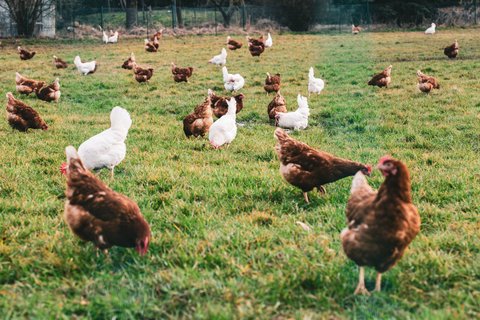
At the same time, the virus has returned to poultry farms in the Midwest: turkey farms are affected in several states, and backyard flocks in Wisconsin. Autumn migration brings the virus with wild birds. This means the risk to workers, animals and farms will remain high in the coming months.
National milk testing
The national milk testing programme allows regular testing of milk from farm tanks and dairy plants. It was this programme that found the virus in Oregon. Experts consider such programmes one of the best tools for early detection and recommend that other countries adopt them.
Farmers should report
USDA reminds farmers that any animals with signs of illness and any unusual deaths of wild animals must be reported immediately to the state veterinarian. An early signal makes it possible to quarantine a farm faster, protect workers and stop the virus spreading to neighbouring holdings.
The risk to the public
For most people the risk remains low: those infected are mainly people who work closely with sick cows or poultry. But virologists warn that every new human case is a chance for the virus to adapt. That is why the situation is being watched in other countries too.
The Yakima Valley
The Yakima Valley in Washington State is a major agricultural area with dairy farms, orchards and vineyards. Many seasonal and permanent migrant workers are employed there. It is this combination of dense livestock farming and a vulnerable workforce that makes the area difficult for disease surveillance.
Moving cows
One of the main routes by which the virus spreads between states is the transport of cows. After the first outbreaks in 2024, the US introduced mandatory testing of dairy cows before interstate movement. But the virus still finds new routes, including via machinery, people and possibly wild birds.
What the science says
Studies of outbreaks in cows have shown that the virus replicates well in the mammary gland and is shed in milk in large quantities. So the milking parlour is the main place of infection for both cows and people. Scientists are studying how the virus changes as it moves from birds to cows and whether it is adapting to mammals.
Why cows are a new problem
Before 2024, bird flu was considered mainly a disease of birds. The jump of the virus to dairy cows came as a surprise to scientists and vets. Cows live close to people, are milked every day, and their milk goes into food. This creates new routes of contact between the virus and humans.
What it means for Europe
In Europe, H5N1 has not been found in dairy cows on anything like the scale seen in the US, but veterinary services have begun testing milk and monitoring cats on farms. For European pet owners the conclusions are simple: do not give cats and dogs raw milk or raw poultry, and report unusual illness in animals. In the UK, suspected bird flu in any kept animal must be reported to the Defra Rural Services Helpline.
When to see a vet
Take your cat to a vet urgently if, after contact with birds, raw milk or raw meat, it becomes lethargic, stops eating, loses coordination, has seizures, difficulty breathing or problems with its sight. Farmers should call a vet if cows show a sharp drop in milk yield or changes in their milk.
Sources
- CIDRAP, 12 November 2026
- dvm360, 12 November 2026