Contents
- What happened
- From one a quarter to two a day
- Why vaccination has fallen
- What canine distemper is
- Symptoms
- Lasting damage in survivors
- How the virus spreads
- Vaccination is the main protection
- Rabies is compulsory
- Leptospirosis — a risk to people
- Fleas and ticks
- Leishmaniasis
- Why people put off visits
- Herd immunity
- Stray dogs
- There is no cure for the virus
- Caring for a sick dog
- Prevention is the main tool
- A puppy in a new home
- Adult dogs too
- Before travelling
- Jujuy and its features
- Parvovirus
- How to recognise leptospirosis
- Protection against ticks and sandflies
- What it means for Europe
- When to see a vet
What happened
On 12 November 2026 the Argentine environmental outlet Noticias Ambientales reported a worrying warning from vets in Jujuy province in north-western Argentina. The province's College of Veterinary Doctors reported a sharp rise in cases of canine distemper and other diseases that can be prevented by vaccination. In the vets' view, this is a direct consequence of dogs being vaccinated less often.
From one a quarter to two a day
Vet Raúl Alcoba described how the situation in clinics has changed. In his experience, just five years ago a case of distemper came up roughly once every two or three months. Now, in recent months, vets have been treating one or two sick dogs a day. These are not official provincial statistics but vets' observations, yet the trend is clear.
Why vaccination has fallen
The main reason, according to specialists, is a drop in preventive vaccination. Many owners do not complete their puppies' course of vaccinations or do not give adult dogs boosters. In addition, vets have noticed that people put off routine check-ups and come only when the dog already shows severe symptoms.
What canine distemper is
Canine distemper is a highly contagious viral disease that affects many organs. It damages the respiratory tract, the digestive system and the nervous system. Its severity depends on the dog's age, its immunity and how quickly it receives help. The disease is especially dangerous for puppies and unvaccinated dogs.
Symptoms
Distemper often begins like a cold: fever, discharge from the eyes and nose, coughing, lethargy and loss of appetite. Vomiting and diarrhoea may follow. The most dangerous stage is damage to the nervous system: muscle twitching, seizures, loss of coordination and paralysis. At this stage the prognosis is often poor.
Noticias Ambientales; 12 November 2026
Lasting damage in survivors
Even if a dog survives, it is often left with irreversible after-effects: muscle twitching, gait problems, damaged tooth enamel and poorer eyesight. These after-effects reduce quality of life for years. That is why vets insist that distemper is far easier to prevent than to treat.
How the virus spreads
The distemper virus spreads mainly through the air: through coughing and sneezing, through a sick dog's secretions, and via shared bowls and toys. Wild animals such as foxes and ferrets can also catch it. Where there are many stray and unvaccinated dogs, the virus circulates constantly and easily finds new hosts.
Vaccination is the main protection
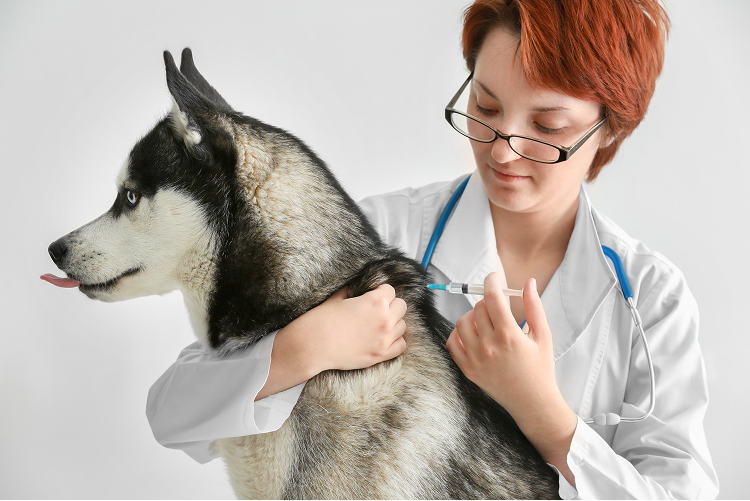
Vets point out that distemper is a disease prevented by vaccination. The basic schedule for puppies includes at least three doses about 21 days apart, followed by boosters on a schedule set by the vet. A single shot does not give reliable protection: completing the full course is what matters.
Rabies is compulsory
Jujuy's vets also remind owners that an annual rabies vaccination is compulsory in Argentina. Rabies is fatal for animals and people, and vaccinating dogs is the main way of protecting society as a whole. Each animal species has its own prevention protocols, which a vet selects.
Leptospirosis — a risk to people
Among the diseases being diagnosed more often is leptospirosis. This is a bacterial infection that passes between animals and people. The bacteria are shed in the urine of infected animals, especially rodents, and get into water and soil. Dogs become infected when they drink from puddles and can become a source of infection for the family.
Fleas and ticks
Vets are seeing more diseases linked to fleas and ticks. These are not just a nuisance: the parasites carry dangerous infections. Vets recommend treating dogs regularly with parasite control products chosen according to the animal's lifestyle and on a vet's advice.
Leishmaniasis
Another cause for concern is cases of visceral leishmaniasis. This is a parasitic disease that is dangerous for both dogs and people. It is not passed directly from dog to human: it is carried by tiny sandflies. In areas where the parasite circulates, vets recommend special repellent collars.
Why people put off visits
The reasons vary: rising prices, economic difficulties and underestimating the risk. Many owners believe that a dog that looks healthy does not need vaccinating. But unvaccinated dogs are precisely the first victims when a disease returns. Saving money on prevention ends up costing more in treatment or the loss of a pet.
Herd immunity
When most dogs in an area are vaccinated, the virus struggles to spread, and even puppies that have not yet finished their course are protected. If vaccination rates fall, the virus starts circulating again. This, in vets' view, is what is happening in Jujuy now: diseases that were considered under control are coming back.
Stray dogs
In Argentina, as in many Latin American countries, there are many stray and free-roaming dogs. They are rarely vaccinated and keep the virus circulating. Programmes to neuter and vaccinate stray dogs help protect both them and pet dogs that meet them on the street.
There is no cure for the virus
There is no specific medicine that kills the distemper virus. Vets can only support the body: drips, antibiotics against secondary infections and anti-seizure drugs. The outcome depends on how early treatment begins and how badly the nervous system is affected.
Caring for a sick dog
If a dog falls ill, it must be isolated from other dogs, kept warm, given water and light food, and the vet's instructions must be followed strictly. Bowls, bedding and toys should be washed regularly. The virus does not survive long in the environment, but it is better not to bring a new puppy into a home with a sick dog for a while.
Prevention is the main tool
Jujuy's veterinary community is united: the current situation shows how important preventive medicine is. Vaccinations on schedule, regular check-ups, parasite control and an early visit to the vet at the first symptoms make it possible to reduce risks, avoid complex treatment and markedly improve the prognosis.
A puppy in a new home
If you have taken on a puppy, first find out which vaccinations it has already had. Until the course is complete, it should not be walked where there are many dogs or mix with unvaccinated animals. The vet will draw up a vaccination and parasite control schedule specifically for your puppy.
Adult dogs too
Vaccinations are not only for puppies. A vet will schedule boosters for adult dogs to maintain protection. This is especially important for dogs that often visit places where animals gather: dog parks, boarding kennels, shows and trips.
Before travelling
If you are taking your dog to another country or region, check the vaccination requirements in advance. Many countries require a rabies vaccination given in good time. In addition, different regions have different diseases — leishmaniasis in warm countries, for example — and protection against them differs.
Jujuy and its features
Jujuy is a mountainous province in north-western Argentina bordering Bolivia and Chile. It has both high-altitude areas and warm valleys where sandflies, the carriers of leishmaniasis, live. Small towns and villages have many free-roaming dogs, and access to vets in remote areas is limited.
Parvovirus
Besides distemper, vets in various countries are seeing a return of parvovirus enteritis, a severe intestinal infection of puppies that is also prevented by vaccination. The disease causes vomiting, bloody diarrhoea and dehydration and is often fatal without treatment. Protection against it is usually given in the same combined vaccine as distemper.
How to recognise leptospirosis
In dogs, leptospirosis shows up as fever, lethargy, vomiting, muscle pain, jaundice and changes in the amount of urine. The disease damages the kidneys and liver. It can be treated with antibiotics if caught early. A vaccine also exists. People in a household with a sick dog should practise good hygiene and avoid contact with its urine.
Protection against ticks and sandflies
Parasite control products come as spot-ons, tablets, collars and sprays. Against the sandflies that carry leishmaniasis, special collars and spot-ons with a repellent effect are used. It is important to stick to the re-treatment intervals, as protection wears off over time. The choice of product is best discussed with a vet.
What it means for Europe
Canine distemper has not disappeared in Europe either: outbreaks are recorded where there are many unvaccinated dogs, including among imported puppies. A fall in vaccination rates like the one in Jujuy could bring the disease back here too. European owners should check that their dogs' vaccinations are up to date, especially before winter and trips. In the UK, vets have also reported a fall in the share of dogs vaccinated as puppies.
When to see a vet
Take your dog to a vet urgently if it has a fever, discharge from the eyes and nose, a cough, lethargy, loss of appetite, vomiting or diarrhoea, especially if it is not vaccinated. Immediate help is needed for muscle twitching, seizures or an unsteady gait. An early visit improves the chances of recovery.
Sources
- Noticias Ambientales, 12 November 2026