Contents
- What happened
- Spiders in socks
- Who has been detained
- Half a million euros
- Which spiders
- Why they were being taken
- Not protected by the convention
- A legal loophole
- A detainee with a record
- A link to the show in Hamm
- What has turned up in Hamm before
- An international network
- Pro Wildlife's view
- What happens to the spiders
- Why collecting harms nature
- What this means for Europe
- How to buy a spider responsibly
- Captive-bred animals
- How to keep a tarantula
- Are tarantulas dangerous?
- Spider diseases
- Vets for exotic pets
- The airport as a border
- What CITES is
- The buyer's responsibility
- New species and collectors
- What happens next
- When to see a vet
What happened
In early November Peru intercepted a large consignment of tarantulas that was due to be taken to Germany. On 19 November Mongabay reported that the authorities had recounted the spiders and now speak of more than 12,000 individuals.
Spiders in socks
On 4 November Peru's National Forest and Wildlife Service reported that thousands of tarantulas had been found in passengers' luggage at Jorge Chávez International Airport in Lima. The spiders were hidden in socks and plastic containers. The luggage was due to fly to Germany.
Who has been detained
Two German nationals and a Polish national have been detained. Among them, reportedly, is a well-known tarantula researcher whose name hasn't been officially released. All three are being held for further investigation.
Half a million euros
The Peruvian authorities estimate the seized spiders' value on the international market at over half a million euros. Rare and recently described tarantula species are highly prized by collectors, and individual specimens can cost hundreds of euros.
Mongabay; 19 November 2026
Which spiders
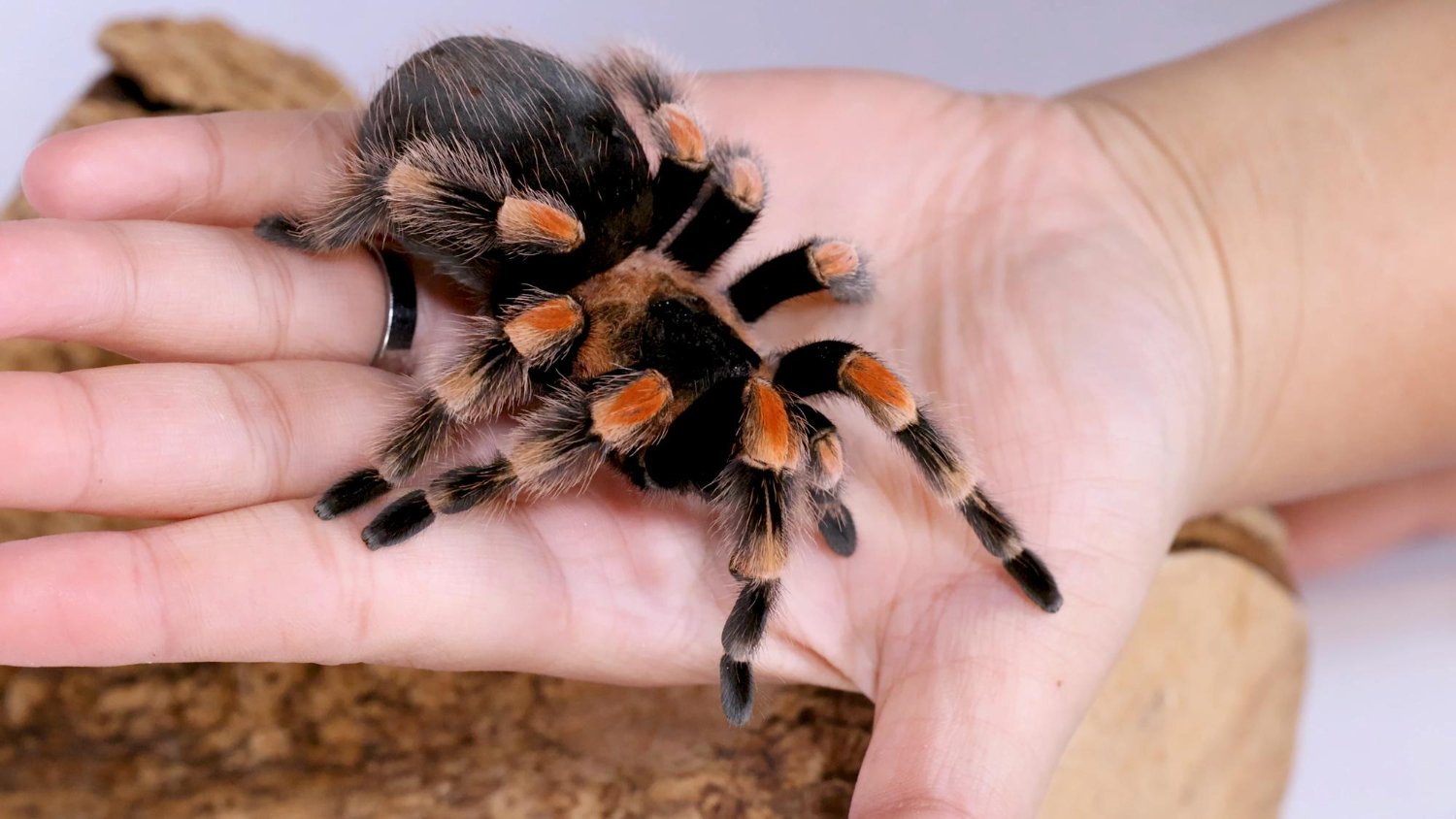
The seized spiders were at every stage of life, from eggs and newly hatched spiderlings to adults. They had been collected in different parts of Peru. The species included the bluish Thrixopelma lagunas, Pamphobeteus antinous, other members of the genus Pamphobeteus and several recently described species.
Why they were being taken
According to the authorities, the suspected smugglers collected the tarantulas in the wild to sell to collectors as exotic pets and for scientific research. Wild-caught spiders, especially of new and rare species, are in great demand among enthusiasts.
Not protected by the convention
None of the seized species is listed under CITES, the convention that regulates international trade in rare animals. But in Peru these spiders are protected by national law, and taking them from the wild is an offence. They can't be exported without a permit.
A legal loophole
The case exposes a weakness in the system. If a species isn't listed under CITES, importing it into the EU may technically be permitted, even if collecting it is banned in its country of origin. Animal welfare campaigners call such animals “stolen” and are pushing for Europe to ban imports of species illegally exported from their home countries.
A detainee with a record
According to Peruvian police general José Manuel Cruz Chamba, one of the detainees, a German national, had already been arrested in Colombia in 2021. He and three others were accused at the time of smuggling nine wild-caught tarantulas and an egg sac.
A link to the show in Hamm
According to Mongabay, the man is listed as a vendor at the Terraristika show in Hamm, Germany, which takes place in December. The show is advertised as the world's largest fair for terrarium animals, including tarantulas, reptiles and other exotic species.
What has turned up in Hamm before
The German organisation Pro Wildlife documents cases in which animals exported in breach of their home countries' laws are sold in Europe. It says that in 2025, endemic protected lizards from the Galápagos Islands were offered for sale at the Hamm show.
An international network
General Cruz Chamba believes an international smuggling network is behind the case, as suggested by the huge number of spiders seized. He said the detainees could face 11 to 20 years in prison if convicted.
Pro Wildlife's view
“The fact that these people carry on shows that the penalties aren't harsh enough to deter them. As long as they only face small fines, smuggling pays,” Sandra Altherr of Pro Wildlife told Mongabay. This time, she said, there's hope of a longer sentence.
What happens to the spiders
Seized spiders are usually handed over to scientific institutions, zoos or rescue centres. Returning them to the wild is difficult: it's not known exactly where they were caught, and some may have fallen ill or died because of poor transport conditions. Thousands of spiders packed in socks and containers suffer from overcrowding, overheating and dehydration.
Why collecting harms nature
Many tarantula species live in very small areas, sometimes a single valley or hillside. If thousands of individuals are collected, a local population can disappear. Tarantulas grow slowly, females live for decades and don't breed every year, so recovery takes a very long time.
What this means for Europe
Europe is one of the main markets for exotic animals, and Germany is the biggest centre of the trade in terrarium animals. Many wild-caught spiders, reptiles and amphibians reach European buyers through shows and the internet. So the case in Peru directly concerns European keepers. In the UK too, keepers should check the origin of any spider they buy.
How to buy a spider responsibly
- Buy captive-bred animals rather than wild-caught ones.
- Ask the seller for documents showing the animal's origin.
- Avoid very rare and recently described species without paperwork.
- Don't buy animals sold “under the counter”.
- Find out whether keeping the species is allowed in your country.
Captive-bred animals
Most popular tarantula species are successfully bred by hobbyists in Europe. Captive-bred spiders adapt better to life in a terrarium, get ill less often and don't harm wild populations. Experienced breeders can tell you where their animals came from and give advice on care.
How to keep a tarantula
A tarantula needs a suitably sized terrarium with substrate, a hide and a water dish. It's important to maintain the temperature and humidity that suit the particular species. Spiders are fed insects, adults once every week or two. It's best not to handle a tarantula: it may bite or flick irritating hairs.
Are tarantulas dangerous?
The bite of most tarantulas is painful for people but not life-threatening, and is often compared to a wasp sting. More of a problem are the urticating hairs that American species flick off their abdomen when frightened. They irritate the skin, eyes and airways. People with allergies should be especially careful.
Spider diseases
Wild-caught spiders may carry parasites such as mites or nematodes, which can spread to other spiders in a collection. So new animals should be quarantined separately. Signs of illness include lethargy, refusing food, unusual discharge around the mouth and a darkening abdomen.
Vets for exotic pets
Finding a vet who treats spiders isn't easy. But larger European cities have practices that see exotic pets, including invertebrates. It's worth finding out in advance where to go if something happens to your spider, for example after a bad moult or a fall.
The airport as a border
International airports are the main place where wildlife smuggling is intercepted. Customs officers and wildlife inspectors check luggage using X-ray machines and detection dogs. Spiders in socks and containers are harder to spot than large animals, but characteristic shapes on the X-ray screen and unusual cargo in a suitcase give them away.
What CITES is
The Convention on International Trade in Endangered Species of Wild Fauna and Flora has been in force since the 1970s. It divides species into appendices: trade in some is almost completely banned, while others can only be traded with permits. Of the thousands of tarantula species, only a small number are listed, mainly species of the genus Brachypelma from Mexico and Central America and the genus Poecilotheria from India and Sri Lanka.
The buyer's responsibility
A buyer who acquires an animal illegally exported from its country of origin may also be held responsible if they knew where it came from. But there's a more important point. Every such purchase supports demand and makes smuggling profitable. The fewer people buy spiders without paperwork, the less point there is in collecting them from the wild.
New species and collectors
Recently described species are especially attractive to collectors: hardly anyone has them yet, and people are willing to pay a lot. But it's precisely these species that most often reach the market from the wild, because no one has yet managed to breed them in captivity. Scientists warn that collectors' demand could wipe out a species before it has even been studied.
What happens next
The investigation in Peru is continuing. Police are trying to establish whether an international smuggling network exists. The Hamm show takes place in December. Pro Wildlife is continuing to document cases of animals exported in breach of their home countries' laws being sold in Europe.
When to see a vet
If your tarantula refuses food for a long time, becomes lethargic, has discharge around the mouth, is injured after a moult, has had a fall and is leaking fluid from its abdomen, or tiny mites appear in the terrarium, see a vet who treats exotic pets.
Sources
- Mongabay, 19 November 2026