Contents
- What happened
- What trap-neuter-return is
- How to get authorisation
- Reports every six months
- Safe traps
- Who carries out the operations
- The ear mark
- Back home
- Private land
- Microchip check
- Why authorisation is needed
- An island of cats
- Diseases of street cats
- The peritonitis outbreak
- Why not catch and kill
- The role of owners
- Recovery after surgery
- Pregnant cats
- How many kittens are born
- Feeding stations and colonies
- Neighbours and cats
- What this means for Europe
- European rules on microchipping
- Tourists and street cats
- How to help street cats
- Kittens on the street
- What happens next
- When to see a vet
What happened
On 16 November the Cyprus Press and Information Office announced that the country's Veterinary Services had put in place a procedure for authorising those who trap and neuter stray cats. Registered animal welfare organisations and their volunteers can now work with official authorisation from the state.
What trap-neuter-return is
It is a way of reducing the number of stray cats without killing them. Cats are caught in safe traps, neutered by a vet, marked and released where they were caught. Over time the colony stops growing and then shrinks. Cats that do not breed fight less and fall ill less often.
How to get authorisation
The organisation sends the Veterinary Services a letter with a list of its volunteers. For each one, it gives their full name, identity card number, phone number and the areas where they work. In return, the Veterinary Services send an official authorisation letter listing the approved volunteers. If the list changes, the organisation must report it straight away.
Reports every six months
Every six months the organisation reports to the Veterinary Services on its work under the programme. This will let the state see how many cats have been neutered and in which areas. Without such data it is hard to know whether the programmes are working and where extra help is needed.
Cyprus Inform; 16.11.2026
Safe traps
Traps and other equipment must be designed so that they do not injure the cats or cause them pain, either when they are caught or while they are in the trap. Each trap is labelled with the name of the organisation and its purpose: a trap-neuter-return programme. That way passers-by and the police will know the trap has been placed legally.
Who carries out the operations
Neutering is carried out only by registered private vets. Female cats have their ovaries and uterus removed, and males their testicles. These operations are called ovariohysterectomy and orchiectomy. This is full neutering, after which females no longer come into heat and males are less inclined to mark territory and fight.
The ear mark
After the operation, a small tip of each cat's left ear is clipped. This is the internationally recognised way of showing that a cat has already been neutered. The mark can be seen from a distance, so volunteers do not need to catch the same cat again. The procedure is done under anaesthetic during the operation and causes the cat no suffering.
Back home
Neutered cats are released where they were caught. This is important: each colony has its own territory, and the cats know where to find food and shelter. If a cat is released somewhere unfamiliar, it may die or get into fights. Besides, an empty territory is quickly taken over by new, unneutered cats.
Private land
The programmes are carried out in public places. Cats may be trapped on private land only with the explicit prior consent of the landowner. This rule protects people's rights and reduces conflict between volunteers and neighbours, who are not always happy to have cat colonies near their homes.
Microchip check
Before neutering, the vet must check every cat for a microchip. If there is one, the cat may have an owner who needs to be found. This protects pet cats that roam outdoors from being neutered by accident without their owner's consent.
Why authorisation is needed
Until now, volunteers in Cyprus worked without common rules. The new authorisation makes their work official and protects them from accusations of theft or cruelty. At the same time, the state gains oversight of how animals are treated during trapping and surgery.
An island of cats
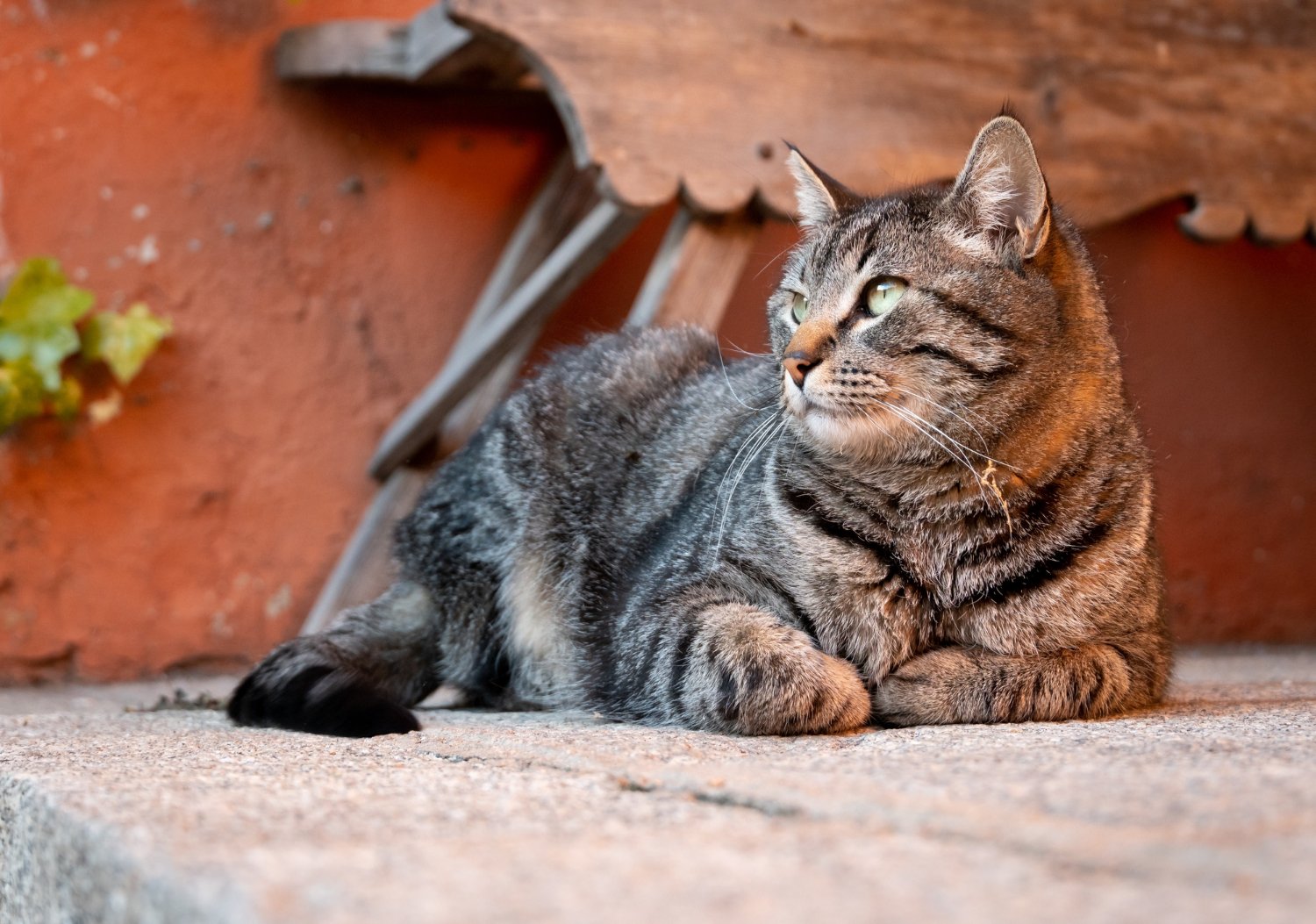
Cyprus is known for its huge number of street cats. Cats live in towns and villages and around hotels and restaurants, and they are fed by local residents and tourists. Cats are believed to have lived on the island for thousands of years. But without neutering their numbers grow, and with them disease and animal suffering.
Diseases of street cats
Infections spread quickly in dense colonies: viral respiratory diseases, panleukopenia, feline leukaemia and immunodeficiency, ringworm and parasites. Neutering reduces the number of fights and kittens, and therefore the spread of disease. Many programmes also vaccinate the cats and treat them for parasites at the same time.
The peritonitis outbreak
In 2023 Cyprus had a major outbreak of feline infectious peritonitis. It was caused by a new variant of feline coronavirus, which scientists named FCoV-23. Many cats died, and vets treated sick animals with antiviral drugs. The episode showed how vulnerable large colonies of street cats are.
Why not catch and kill
In the past, many countries simply caught stray animals and put them down. Experience has shown that this does not work: the vacated territory is quickly occupied by new cats. Society is also less and less willing to accept such measures. That is why Europe is moving towards neutering, registration and owner responsibility.
The role of owners
The main source of stray cats is unneutered pet cats that roam outdoors or are abandoned. Neutering your own cat, microchipping and registering it is the simplest way not to add to street colonies. In Cyprus, as in other EU countries, stricter rules for owners are being discussed.
Recovery after surgery
After neutering, a cat needs a few days of rest. Volunteers often keep cats in carriers or pens for a day or two so that they can recover from the anaesthetic somewhere warm and safe. Street cats are given dissolvable stitches that do not need to be removed. Only then is the cat released back into its territory.
Pregnant cats
A pregnant cat often ends up in a trap. What to do with her is decided by the vet and the organisation. Many programmes also neuter cats in early pregnancy to prevent kittens being born on the street. It is a difficult ethical question, and the rules differ from country to country.
How many kittens are born
One cat can have two or three litters a year, with several kittens in each. Most street kittens die in their first months from disease, hunger and traffic, but the survivors soon start breeding themselves. That is why neutering even part of a colony noticeably reduces the number of suffering animals.
Feeding stations and colonies
Volunteers who feed colonies know their cats best. They notice new animals as well as sick and pregnant ones. That is why their involvement in the programmes is so important. Feeding at the same time every day also helps with trapping: the animals get used to coming to a particular place.
Neighbours and cats
Not all residents like cat colonies near their homes: cats spray, make noise at night and leave traces in sandpits. Neutering solves many of these problems: males spray and fight less, and females do not hold night-time concerts when in heat. This reduces conflict between animal welfare volunteers and neighbours.
What this means for Europe
Stray cats are a problem in many European countries, especially in the south: Greece, Italy, Spain, Portugal and Malta. Approaches differ: in some places trap-neuter-return programmes are run by municipalities, in others only by volunteers. The Cypriot model with authorisation, reports and microchip checks could become an example of how to legalise and organise volunteers' work.
European rules on microchipping
The EU is preparing common rules on the welfare of dogs and cats, including compulsory microchipping and registration. If such rules come into force, checking for a microchip before neutering will become especially useful: the number will make it possible to find the owner in a database quickly.
Tourists and street cats
Many tourists in Cyprus and other southern European countries feed street cats. It is a kind thing to do, but it is better to support local organisations that neuter and treat cats. Do not take a cat home without veterinary documents: bringing it into another country requires a microchip, a rabies vaccination and a passport.
How to help street cats
- Support local neutering programmes.
- Feed cats in one place and clear away leftovers.
- Tell volunteers about new unneutered cats.
- Never abandon pets on the street.
- Neuter and microchip your own cat.
Kittens on the street
If you find kittens without their mother, do not rush to take them: the mother may be nearby and come back. Watch from a distance for a few hours. If the mother does not return and the kittens are cold or weak, contact a local animal welfare organisation or a vet. Hand-rearing small kittens is difficult work that requires experience.
What happens next
Cypriot animal welfare organisations can now apply for authorisation. In six months the Veterinary Services will receive the first reports and be able to assess the scale of the programmes. If the system works, there will be fewer unwanted kittens on the island and street cats will be healthier.
When to see a vet
If you look after street cats and notice a cat with a swollen belly, yellowish gums or eyes, difficulty breathing, discharge from the eyes and nose, wounds or sudden weight loss, contact a vet or a local animal welfare organisation. Have your own cat neutered by a vet, usually at four to six months of age.
Sources
- Cyprus Inform, 16 November 2026