Contents
- What happened
- What the Wadden Sea is
- A fifth year of decline
- No mass die-off
- Many pups
- Not like before
- Possible causes
- Food
- Grey seals
- Noise and construction at sea
- A sea under pressure
- A threat to heritage status
- What is putting pressure on the sea
- A danger to the mudflats
- The islanders' voice
- The government's position
- Gas and salt
- Seals and disease
- Rescue centres
- How seals are counted
- Why the survival of the young matters
- Seals as an indicator
- What this means for Europe
- Dogs on North Sea beaches
- If you find a seal pup
- Why seals must not be touched
- Rules in protected areas
- What happens next
- When to see a vet
What happened
On 16 November the Dutch broadcaster NOS reported the results of the annual seal count in the Wadden Sea. Scientists from the Netherlands, Germany and Denmark concluded that harbour seal numbers are falling. Over a year they dropped by 3%, and in the Dutch part of the sea by as much as 6%.
What the Wadden Sea is
The Wadden Sea is a shallow part of the North Sea along the coasts of the Netherlands, Germany and Denmark. A chain of islands from Texel to Fanø separates it from the open sea. At low tide, vast sand and mud flats are exposed. It is the largest unbroken system of such intertidal flats in the world.
A fifth year of decline
2026 is the fifth year in a row in which scientists counted fewer harbour seals than the year before. From 2012 to 2021, numbers were almost unchanged. Since then the population has declined by about 3% a year. The decline is most marked in Dutch waters.
No mass die-off
The scientists stress that they see no sign of mass mortality or of large numbers of seals moving to other areas. That is what makes the situation puzzling: the animals are not dying by the thousands, as in the epidemics of past decades, but there are fewer of them year after year.
NOS, The Guardian; 16.11.2026
Many pups
Surprisingly, despite the overall decline, the seals are giving birth to many pups. "That is remarkable," said seal researcher Sophie Brasseur of Wageningen University. In her view, it may mean that the survival of young animals in particular is under pressure. The pups are born, but many apparently do not live to adulthood.
Not like before
Brasseur notes an important difference from the period before 2012. Back then the population was growing steadily, and fewer pups were counted. Now it is the other way round: there are many pups, but the total is falling. "Research is needed to understand what is going on," she says.
Possible causes
The researchers name several factors that could be affecting the seals: changes in food availability, increasing human activity in the North Sea, competition with other marine mammals and changes in the seals' own behaviour. Which of these is most important cannot yet be said.
Food
Harbour seals eat fish such as flounder, herring and sand eels. If fish become scarcer or move to other areas, seals have to swim further and use more energy. It is especially hard for young animals that are only just learning to hunt.
Grey seals
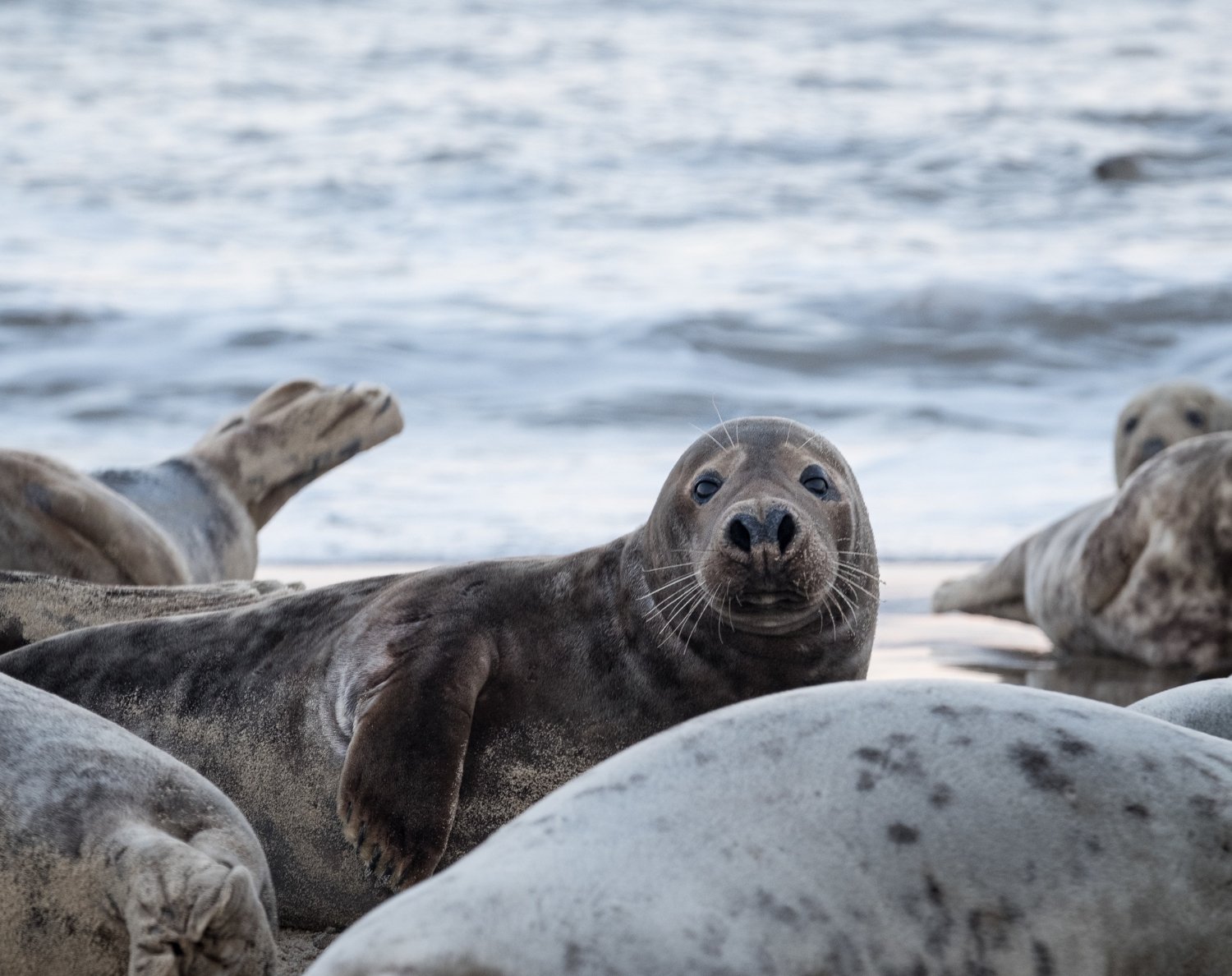
Two species of seal live in the Wadden Sea: the harbour seal and the grey seal. Grey seals are larger, and their numbers in the region have grown in recent decades. They may compete with harbour seals for food and resting places. This is one of the hypotheses the scientists want to test.
Noise and construction at sea
The North Sea has more and more wind farms, ships, cables and platforms. Construction and noise can scare seals and fish and change their routes. Measuring this impact is difficult, but researchers include it among the possible causes.
A sea under pressure
The seals' problems are part of a wider picture. Wouter van der Heij, a marine biologist with the Dutch organisation Waddenvereniging, told The Guardian: "The numbers of birds are going down, the amount of fish is going down, the biodiversity on the mudflats, it's going down." He describes the situation as very vulnerable.
A threat to heritage status
The Wadden Sea was awarded UNESCO World Heritage status in 2009. Now the organisation points to uncertainty over the cumulative impact of multiple pressures and signs of increasing ecosystem stress. The Wadden Sea has moved a step closer to the list of World Heritage in danger.
What is putting pressure on the sea
Experts list salt and gas extraction, fishing, tourism and even military exercises: there is a NATO bombing range on the Dutch island of Vlieland. Bottom trawling continues to be permitted, even though the sea is a national park, a heritage site and part of the Natura 2000 network. Environmentalists in Germany are trying to force an assessment of its impact through the courts.
A danger to the mudflats
Van der Heij considers rising sea levels and subsidence caused by gas and salt extraction to be among the greatest threats. If the mudflats no longer dry out at low tide, millions of migratory birds will not be able to feed on them. That would endanger the entire East Atlantic Flyway.
The islanders' voice
Island residents fear that nature protection will lead to restrictions on their access to the sea and the mudflats. Vlieland has just over 1,000 inhabitants, and almost all of them depend on tourism. A group representing residents of the Dutch islands says it now speaks for almost 52,000 people and is meeting members of parliament.
The government's position
The Dutch government has acknowledged failings in its communication with residents and promises to involve them more in decisions. According to a government spokesperson, people have lived and worked alongside the nature of the Wadden Sea for centuries, and that should remain possible. At the same time, the area must remain liveable for future generations.
Gas and salt
The Netherlands recently refused permission for gas extraction from the Ternaard field between the coast and the island of Ameland. UNESCO and environmentalists welcomed the decision. But a final decision on expanding salt extraction under the sea near Harlingen is still awaited, and environmentalists are asking UNESCO to take a firm stand.
Seals and disease
The Wadden Sea knows how dangerous epidemics can be for seals. In 1988 and 2002, phocine distemper virus killed thousands of animals. Scientists see no mass mortality now, but they continue to test dead seals for infections, including bird flu, which has been found in marine mammals in recent years.
Rescue centres
In the Netherlands and Germany, seal rehabilitation centres care for weakened pups and injured animals. Their data help scientists understand what young seals are suffering from. If pup survival really is falling, these centres will be among the first to see it.
How seals are counted
Seals in the Wadden Sea are counted from aircraft during the periods when they haul out on the flats at low tide: in summer, during the breeding season, and during the moult. Scientists from the three countries use common methods so that the data can be compared. This gives a picture of the whole sea, not just individual areas.
Why the survival of the young matters
A seal first gives birth at the age of several years. If pups die in large numbers in their first winter, the population ages and gradually shrinks, even with many births. This is apparently the picture the scientists are seeing. Finding out where and why young seals die is the main task for future research.
Seals as an indicator
Seals are at the top of the Wadden Sea food chain. Changes in their numbers often reflect problems in the whole ecosystem: lack of fish, pollution, noise and disease. That is why the decline worries not only seal lovers but everyone who follows the state of the sea.
What this means for Europe
The Wadden Sea is a shared treasure of three countries and an important stopover for birds from across Europe and the Arctic. The decline of seals and the pressure on the ecosystem do not concern only the Dutch islands. Decisions on resource extraction, fishing and wind energy in the North Sea affect nature across the whole region.
Dogs on North Sea beaches
Many dog owners love walking on Wadden Sea beaches. Seal pups often lie alone on the shore while their mother is hunting. A dog may frighten or bite a pup, and a seal can seriously injure a dog in return. Keep your dog on a lead on beaches where seals rest.
If you find a seal pup
A lone pup on the beach has usually not been abandoned: its mother will come back. Keep a distance of several dozen metres, do not touch it and do not try to carry it into the water. If the pup is injured, emaciated or has been lying in the same place for more than a day, contact a local seal rescue centre or the police.
Why seals must not be touched
Seals are wild animals with sharp teeth. Their bites are deep and easily become infected. In addition, seals can carry infections that are dangerous for dogs and people. So even a weakened pup must not be stroked or picked up – that is a job for specialists.
Rules in protected areas
Special rules apply in many parts of the Wadden Sea: dogs are banned or allowed only on a lead, and some flats are closed during the seal breeding and bird nesting seasons. Check the rules for the specific beach before you go. Breaking them can result in a fine.
What happens next
Scientists from the three countries will continue the annual counts and try to find out why so few young seals survive. UNESCO will monitor the state of the Wadden Sea, and the Dutch authorities will defend its heritage status. The fate of the seals will be one of the indicators of whether this sea can be preserved.
When to see a vet
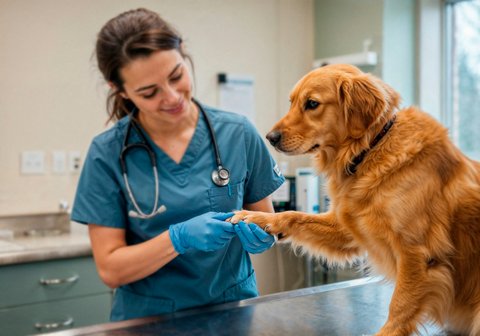
If your dog has got into a fight with a seal on a walk by the sea, has been bitten or has cut itself on shells, rinse the wound and take your dog to a vet: bites from marine animals often become infected. If after a walk on the shore your dog has vomiting, diarrhoea or lethargy – it may have eaten a dead fish or bird – see a vet as well.
Sources
- NOS, 16 November 2026
- The Guardian, 16 November 2026