Contents
- What happened
- Who Séraffine is
- Her owners
- Why the Ferrandaise
- A breed with a history
- Nearly lost
- Revival
- Milk for cheese
- Hardiness
- Rare breeds and disease
- What lumpy skin disease is
- Why genetics matter
- Inbreeding in rare breeds
- The agricultural show
- A political stage
- How cows prepare for the show
- The trend for local breeds
- Calves raised under the cow
- Pasture and health
- Direct sales
- How the emblem cow is chosen
- What this means for Europe
- European examples
- Rare dog and cat breeds
- If you keep cattle
- A cow is not a toy
- What happens next
- When to see a vet
What happened
On 16 November, three months before the opening, the organisers of the International Agricultural Show in Paris presented the emblem of the 2027 show. It will be Séraffine, a Ferrandaise cow from a farm in the Puy-de-Dôme department in central France. Her photograph will appear on the posters, and the cow herself will travel to Paris.
Who Séraffine is
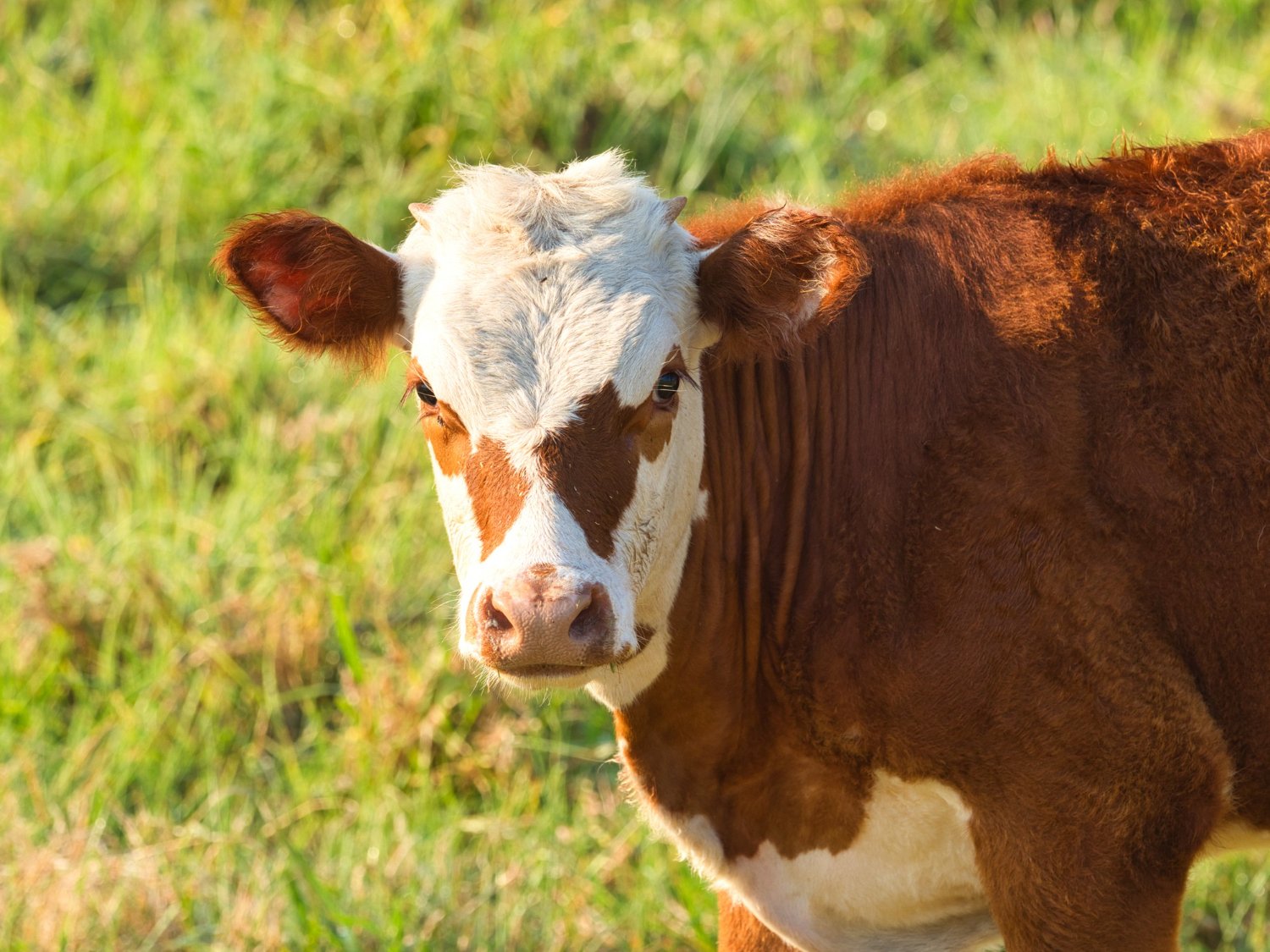
Séraffine was born in 2021. According to the organisers' description, she has a "pretty powdery red coat, one of the most original in the breed", long horns and "glasses": two brown patches around her eyes that give her an expressive look. She is to be the face of French livestock farming at the country's main agricultural show.
Her owners
Séraffine lives on the farm of brothers Nicolas and Samuel Verdier. For 20 years they have run a farm of about 140 hectares with a mixed herd of 50 cows, Ferrandaise and Limousin. The brothers have chosen an independent model: the cattle feed mainly on grass, and they sell their produce directly to customers.
Why the Ferrandaise
Every year, the choice of the show's emblem cow draws attention to one French breed. This time a breed that almost disappeared was chosen. "It is a breed with a future, even though at one point it was abandoned," said one of the Verdier brothers.
BFMTV; 16.11.2026
A breed with a history
The Ferrandaise is an old breed from Auvergne, a mountainous region in central France. At the start of the 20th century it dominated the pastures of the Puy-de-Dôme, where more than 140,000 of these cows grazed. They were used for everything: they gave milk and meat and worked in harness in the fields.
Nearly lost
The mechanisation of agriculture made working cows unnecessary, and farmers switched to high-yielding specialised breeds. The Ferrandaise population collapsed to 200 females. In the 1970s the breed faced complete extinction. It was saved by enthusiasts who gathered the remaining animals and started a conservation programme.
Revival
Today France has about 4,000 Ferrandaise females and around 60 bulls. They are kept on 750 farms in Auvergne. The breed is still far from its former numbers, but it is no longer on the brink of extinction. It is valued for its hardiness, its suitability for mountain pastures and the quality of its milk.
Milk for cheese
The Ferrandaise is a dual-purpose breed: it provides both meat and milk. Its milk is used to make Auvergne's famous cheeses, Saint-Nectaire and Fourme d'Ambert. The show's organisers also highlight the breed's good dairy qualities, which make the cows ideal for raising calves on their mother's milk, suckling under the cow.
Hardiness
The Ferrandaise is known for being undemanding and able to adapt to different conditions. These cows cope well with the mountain climate, graze on steep slopes and are content with grass without large amounts of concentrates. For farmers who rely on pasture-based systems, this is an important advantage.
Rare breeds and disease
Small breeds have a particular vulnerability: if a disease hits a few farms, the breed can lose a significant part of its genetic diversity. During the lumpy skin disease crisis in France, several farmers' unions asked for small breeds to be vaccinated first, to protect farmers' livelihoods and this heritage.
What lumpy skin disease is
Lumpy skin disease of cattle is a viral disease spread by blood-sucking insects. Cows develop a fever, firm nodules appear on the skin and milk yield drops. Animals can die. The disease reached France and Italy in 2025, and the authorities introduced restriction zones and vaccination.
Why genetics matter
Every local breed is a set of genes shaped by centuries of selection in particular conditions. These may include resistance to disease, heat or poor feed. If a breed disappears, these genes are lost for ever. That is why scientists and vets consider the conservation of rare breeds part of food security.
Inbreeding in rare breeds
When a breed starts again from 200 animals, there is a risk of inbreeding. Breed societies keep pedigrees, select pairings and store frozen bull semen to preserve diversity. Genetic tests help identify carriers of hereditary defects before they spread.
The agricultural show
The International Agricultural Show takes place in Paris every year at the end of winter. It is one of the largest agricultural shows in Europe and is visited by hundreds of thousands of people. Breed competitions are held, cows, sheep, pigs and horses are shown, and local products are sold. The emblem cow is the show's biggest star.
A political stage
The show is also where French politicians meet farmers. The president and ministers traditionally walk through the halls, stroke the cows and listen to farmers' complaints. The emblem cow often becomes the backdrop to these meetings and ends up on the front pages of newspapers.
How cows prepare for the show
Transport to Paris and several days at the show are stressful for an animal. Vets check its health, vaccinations and documents. The cow is gradually accustomed to noise, people and confined spaces in advance, and her coat and hooves are cared for. At the show, veterinary services watch over the animals constantly.
The trend for local breeds
In recent years interest in local breeds has been growing in France and other European countries. Consumers value products with a clear origin, and farmers value hardy animals that need less medicine and feed. Ferrandaise, Aubrac, Salers, Vosgienne: these breeds are finding new fans.
Calves raised under the cow
The show's organisers particularly noted that Ferrandaise cows are well suited to raising milk-fed calves under their mothers. The calf stays with the cow and suckles rather than being fed from a bucket. This method is closer to natural behaviour, and many consumers are willing to pay more for meat from such calves.
Pasture and health
Cows that spend a lot of time at pasture suffer less often from hoof and metabolic disorders than animals in cramped barns. But pasture-based systems have their own risks: parasites, ticks and bites from insects that carry viruses. That is why veterinary checks and treatments are needed on open grazing too.
Direct sales
The Verdier brothers sell meat and other produce directly to customers. This model lets a farmer earn more for their work and tell customers about the breed. For rare breeds it is often the only way to survive: they cannot compete with high-yielding cows on the mass market.
How the emblem cow is chosen
Every year the show's organisers choose one cow of a particular breed to be the face of the show. It is usually a young cow with good conformation, temperament and looks, who copes calmly with photo shoots and crowds. The choice often reflects the show's theme and a wish to support particular regions and breeds.
What this means for Europe
Across Europe, hundreds of local breeds of cattle, sheep, goats, pigs and chickens are under threat. The EU supports their conservation with payments to farmers who keep rare breeds. The story of the Ferrandaise shows that a breed can be brought back even from a few hundred animals if there are people willing to do the work.
European examples
In Germany and Austria, old breeds of pigs and cattle are being rescued, the United Kingdom has a trust that protects rare breeds, and Scandinavia has programmes to conserve local livestock. Many of these breeds were also once on the brink of extinction. Today they serve both as a genetic reserve and as a tourist attraction.
Rare dog and cat breeds
Rare dog and cat breeds face similar problems. When a breed has few animals, the risk of hereditary diseases increases. Responsible breeders carry out genetic tests and work with clubs in other countries to bring in new blood. Buyers should ask about the parents' health.
If you keep cattle
- Keep to the vaccination schedule, especially in risk areas.
- Protect the herd from insects in warm weather.
- Check your animals every day.
- Report any skin nodules or drop in milk yield to your vet.
- Do not buy animals without health documents.
A cow is not a toy
Visitors to the show often want to touch the cows and take photos with them. Only do so with the owner's permission. Do not hand-feed the animals, do not approach them from behind and do not shout near them. Cows, especially long-horned ones, can accidentally injure a person if they are frightened.
What happens next
Séraffine will travel to Paris for the show at the end of winter 2027. Until then she will live on her home farm in the Puy-de-Dôme, while her portraits appear on posters and in the metro. For the Ferrandaise breed, it is a chance to attract new farmers and customers who will help it keep growing.
When to see a vet
If a cow has a fever, stops eating, has a drop in milk yield, develops firm skin nodules, lameness or discharge from the eyes and nose, call the vet immediately. In restriction zones for contagious diseases, report any suspicion to the veterinary authorities and do not move animals until they have been examined.
Sources
- BFMTV, 16 November 2026