Contents
- What happened
- How it happened
- Help came too late
- The owner's account
- Responsibility for the dog
- What the verdict says
- A second offence
- The prosecutor considers an appeal
- What an American bully is
- Breed and temperament
- Bans in Europe
- Sweden's supervision law
- Drugs and dogs
- Why dogs attack at home
- Warning signals
- Several dogs are harder to control
- First aid for a dog bite
- Children and large dogs
- Liability insurance
- A muzzle is not a punishment
- Working with a trainer
- What this means for Europe
- Compulsory training for owners
- If you want to get a large dog
- Health and aggression
- What happens next
- When to see a vet
What happened
On 16 November the Swedish newspaper Dagens Nyheter reported the verdict in a case that shocked Gothenburg. A district court sentenced a woman to three years in prison for causing death by gross negligence. Her American bully attacked her girlfriend, who died of her injuries.
How it happened
The tragedy took place in April 2024 in Gothenburg. The defendant spent the evening and night with her girlfriend in her own flat, where she kept several dogs. The next morning one of them, an American bully, suddenly attacked the owner's girlfriend and inflicted such severe injuries that the woman, aged about 45, died.
Help came too late
The prosecution argued that the owner waited too long before calling paramedics and cleaned the flat instead. Only several hours later was her girlfriend found on the bathroom floor with bite wounds, including to her face. The owner could not say how long she had been lying there. She put this down to shock and to being under the influence of drugs.
The owner's account
During questioning, the woman claimed that shortly before the attack her girlfriend had hit her and the dog had rushed to protect her. "I tried to stop him, but everything was spinning. He came to protect me," the newspaper quotes her as saying in the police record. The court did not accept this account as a justification.
Dagens Nyheter; 16.11.2026
Responsibility for the dog
Before the trial, prosecutor Lovisa Hellqvist said that the woman was responsible for what her dog had done. "In addition, she failed to take action, including making sure the victim received the help she needed," the prosecutor said. The court agreed with the prosecution.
What the verdict says
"These were large and muscular dogs of a breed which in itself meant that the responsibility for supervising them was very high," the verdict states. In other words, the more dangerous a dog is because of its physical capabilities, the stricter the requirements placed on its owner.
A second offence
The woman was also convicted over another incident: later, one or more of her dogs attacked and injured a man. For this she was found guilty of causing bodily injury through negligence. All her dogs were put down.
The prosecutor considers an appeal
Lovisa Hellqvist described the verdict as balanced and well written. But she had asked for four years rather than three and is now deciding whether to appeal. The convicted woman's lawyer told the newspaper he had only one comment. The verdict is not yet final.
What an American bully is
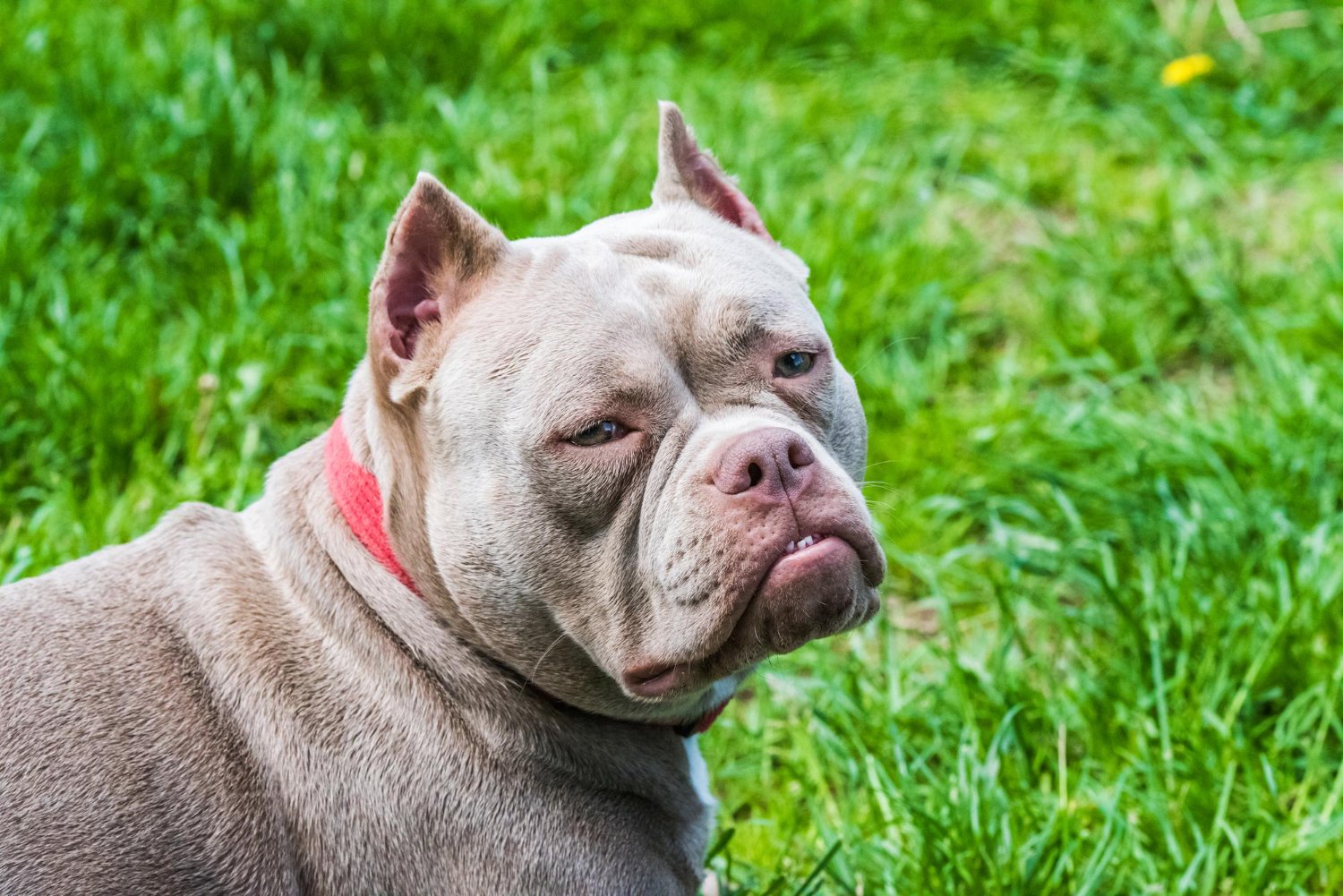
The American bully is a young breed developed in the United States from the American pit bull terrier and the American Staffordshire terrier. These are muscular dogs with a powerful head and strong jaws. There are different size types, from small dogs to very large ones known as XL.
Breed and temperament
Vets and dog trainers stress that aggression depends not only on breed but also on breeding, upbringing, socialisation, health and the dog's living conditions. But if a large, strong dog attacks, the consequences are much more serious. That is why courts and lawmakers place higher demands on the owners of such dogs.
Bans in Europe
Since 2024 the United Kingdom has banned XL bully type dogs: they cannot be sold, bred or given away, and owners must hold a special certificate and keep their dogs muzzled and on a lead in public places. Some other countries have also introduced restrictions. Sweden has no breed bans, but it does have a law on the supervision of dogs and cats.
Sweden's supervision law
Swedish law requires that a dog be kept and cared for in such a way that it does not cause harm to people or other animals. If a dog is dangerous, the police can order the owner to keep it on a lead and muzzled, and in extreme cases seize it. The owner is liable for any harm caused by their dog.
Drugs and dogs
The court took into account that the owner was under the influence of drugs. An owner who cannot answer for their own actions cannot control a dog either. The same applies to alcohol: if a person is intoxicated, they must make sure a dangerous dog is shut away or supervised by someone else.
Why dogs attack at home
Many serious dog attacks happen not in the street but at home or at the homes of acquaintances. A dog may be guarding its owner, a resource or its territory, or it may be afraid or in pain. A guest who does not know the dog does not understand its signals. That is why a dog that does not cope well with visitors is better shut in a separate room.
Warning signals
A dog usually gives a warning before it bites. It freezes, tenses up, stares, lifts its lip, growls, shows the whites of its eyes and flattens its ears. If these signals are ignored or the dog is punished for growling, it may start biting without warning. Owners should learn to understand their dog's body language.
Several dogs are harder to control
When there are several large dogs in a home, the risk increases: one dog can set off the others, and they act as a pack. Even an experienced owner finds it hard to stop two or three strong dogs at once. Trainers advise never leaving guests alone with a group of dogs and keeping the dogs apart in stressful situations.
First aid for a dog bite
If a dog has badly bitten someone, first move the dog to another room and shut it in. Then call an ambulance, press clean cloth on bleeding wounds and keep the injured person still. Every minute counts. Cleaning up or waiting to see if things improve is not an option.
Children and large dogs
Children are the most frequent victims of dog bites: they are shorter, their faces are at the level of a dog's muzzle and they do not understand warning signals. Even the friendliest dog should never be left alone with a child. Children should be taught not to hug unfamiliar dogs and not to approach a dog while it is eating or sleeping.
Liability insurance
In many European countries dog owners are advised, or required, to take out third-party liability insurance. The insurance covers the victims' treatment and damage if the dog bites someone or damages property. For owners of large dogs such insurance is especially important: treating serious bites is very expensive.
A muzzle is not a punishment
Many owners consider a muzzle humiliating for a dog. But a properly fitted muzzle in which the dog can breathe, drink and take treats is an ordinary safety tool. A dog can be trained to accept one within a few weeks using treats and praise.
Working with a trainer
If a dog shows aggression towards people or other dogs, owners should not try to deal with it alone. A trainer or veterinary behaviour specialist can help identify the causes and draw up a training plan. Punishment and harsh force usually make aggression worse, not better.
What this means for Europe
Deaths caused by dogs are rare, but each one sparks debate about breed bans, compulsory courses for owners and insurance. The Swedish verdict highlights a different approach: rather than banning a breed, holding the owner strictly accountable for supervision and for helping victims. This could serve as a reference for courts in other countries.
Compulsory training for owners
In some European countries and regions, owners of large dogs must pass an exam on rules and dog behaviour, obtain a permit or take out liability insurance. Supporters of such measures believe they help weed out irresponsible owners. Opponents reply that control over breeding and upbringing matters more.
If you want to get a large dog
- Choose a breeder who pays attention to the dogs' temperament.
- Start socialising your puppy as early as possible.
- Take an obedience course with a trainer.
- Do not leave the dog unsupervised with children or guests.
- Take out third-party liability insurance.
Health and aggression
Sometimes aggression in a dog is linked to pain or illness: problems with joints, ears, teeth or the thyroid gland, or neurological disorders. A dog that used to be calm and suddenly starts growling and biting should be examined by a vet. Treating pain sometimes resolves the problem completely.
What happens next
If the prosecutor appeals, the case will go to the court of appeal, and the sentence may change. For the family of the woman who died, the verdict is an acknowledgement that her death was not simply an accident. For dog owners, it is a reminder that responsibility for an animal lies with its human.
When to see a vet
If your dog has become aggressive, growls or bites for no obvious reason, see a vet: pain and illness need to be ruled out first. The vet may then refer you to an animal behaviour specialist. If your dog has already bitten someone, do not delay getting advice, and until then keep the dog muzzled when meeting people.
Sources
- Dagens Nyheter, 16 November 2026