Contents
- What happened
- The Pantanal — jaguar country
- The Jaguar ID project
- Why this method is better
- 167 encounters
- Friendship, neutrality and aggression
- Sisters and brothers
- Females are more cautious
- Why males tolerate each other
- Caution in drawing conclusions
- What next
- The jaguar — what it is
- Rosettes as fingerprints
- The role of tourists
- Threats to jaguars
- Conflicts with ranchers
- Solitary, but not always
- Why it matters for conservation
- Pet cats are social too
- Advice for multi-cat households
- Grooming as a language
- Jaguars and science
- The dry season
- Caimans as the main prey
- Adult cats at play
- Jaguar cubs
- What it means for Europe
- When to see a vet
What happened
On 12 November 2026 the conservation outlet Mongabay reported on a new study of jaguar behaviour in Brazil's Pantanal. Scientists analysed 13 years of observations and found that these big cats, considered solitary, interact with each other far more often and more amicably than was assumed.
The Pantanal — jaguar country
The Pantanal is the world's largest wetland, stretching mainly across Brazil. It has the highest density of jaguars on the planet. Tourists in boats are almost guaranteed to see these cats on the riverbanks. The abundance of jaguars also attracts researchers.
The Jaguar ID project
Since 2013, scientists with the Jaguar ID project have carried out daily observations during the dry season, from June to October. They collect photos and videos and have already identified 459 individual jaguars by the unique pattern of rosettes on their coats. Together with data from tourists and volunteers, this is a real treasure trove of information about jaguar life.
Why this method is better
According to researcher Boron, almost all knowledge about jaguars used to come from camera traps and genetic analysis. These methods do not show the full picture of interactions between animals. Many years of direct observation from boats made it possible to study how jaguars behave towards each other.
167 encounters
Analysing 13 years of data, the scientists described 167 cases in which pairs of jaguars interacted. Almost half of the encounters were between two males, 31% between a male and a female, and only 17% between two females. This distribution was itself unexpected.
Mongabay; 12 November 2026
Friendship, neutrality and aggression
About a quarter of encounters were aggressive. Another 36.5% were neutral: the jaguars rested or hunted near each other while ignoring one another. And almost 39% of encounters were social: the animals played, groomed each other and even hunted together.
Sisters and brothers
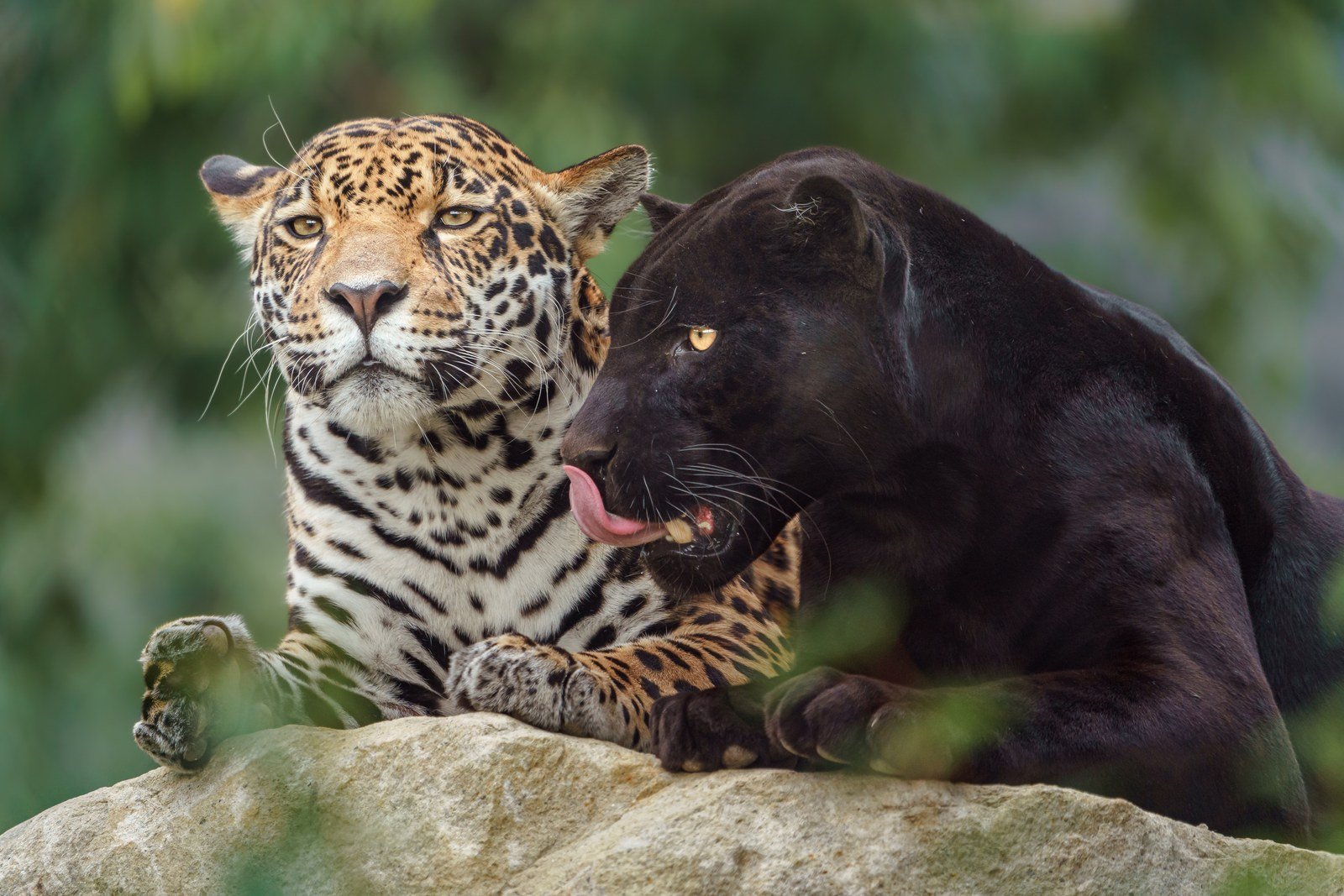
The scientists describe touching cases. For example, two sisters from different litters groomed each other. In another case, two related males travelled through and patrolled a territory together. Among jaguars with known family trees, related males interacted amicably more often.
Females are more cautious
No such link with kinship was found among females. Boron suggests that females, often accompanied by cubs, behave defensively to protect their offspring. In the study area, a case was recorded in which another female killed cubs. So mothers stay on guard even with relatives.
Why males tolerate each other
The researchers believe males are tolerant of each other because the Pantanal gives them ideal conditions with abundant prey. When there is enough food for everyone, there is no point wasting energy on fights. Jaguars hunt caimans, capybaras, fish and other animals that are plentiful in the Pantanal.
Caution in drawing conclusions
Biologist Stijn Verschueren of the University of Bern in Switzerland, who was not involved in the study, pointed out that all observations were made on riverbanks in an area with very high densities of prey and jaguars. So the results do not necessarily apply to jaguars elsewhere, where conditions are different.
What next
The researchers acknowledge this limitation but believe similar studies could be carried out in other areas with high jaguar densities, such as the Mamirauá reserve in the Amazon. In addition, the accumulated Pantanal data make it possible to study specific behaviours, such as joint hunting, in more detail.
The jaguar — what it is
The jaguar is the largest cat in the Americas and the third largest in the world after the tiger and the lion. It ranges from Mexico to northern Argentina. Relative to its size, the jaguar has the strongest bite of the big cats: it can bite through a skull or a turtle shell. Jaguars swim well and often hunt in water.
Rosettes as fingerprints
The spots on a jaguar's coat — rosettes — are unique to each animal, like human fingerprints. This allows animals to be identified from photos without capture or collars. The method is gentle on the animals and makes it possible to follow individual jaguars for years.
The role of tourists
Tourists photographing jaguars from boats also help science: their pictures are added to the database. This is an example of citizen science, in which ordinary people take part in research. But tourism needs rules: boats must keep their distance so as not to disturb the animals.
Threats to jaguars
Pantanal jaguars face threats: fires that destroy huge areas in dry years, deforestation and conflicts with cattle owners. In 2020, fires engulfed a large part of the Pantanal and affected many jaguars. Protecting the wetlands is vital for their future.
Conflicts with ranchers
On Pantanal ranches, jaguars sometimes attack livestock, and ranchers may kill them in return. Conservation organisations offer solutions: compensation, protection of calves and ecotourism that makes living jaguars more valuable than dead ones. Understanding jaguar behaviour helps build such programmes.
Solitary, but not always
Big cats other than lions are usually considered solitary. But research shows that even solitary species sometimes interact amicably, especially when food is plentiful. Cases of tolerance and resting together have also been described in tigers, leopards and lynx. Pantanal jaguars are a striking example of this flexibility.
Why it matters for conservation
Knowing how jaguars share territory and tolerate each other is important for protecting the species. If jaguars can live at higher densities in prey-rich areas, such places are especially valuable for conserving the population. Protecting them can benefit a larger number of animals.
Pet cats are social too
Cat owners know well that cats, considered independent, often befriend other cats, groom each other and sleep together. As with jaguars, this depends on kinship, temperament and the availability of resources — food, resting places and litter trays. There are fewer conflicts when there are enough resources for everyone.
Advice for multi-cat households
For cats to live peacefully at home, they need enough resources:
- Separate bowls for each cat.
- One more litter tray than the number of cats.
- Several resting places, including high ones.
- Somewhere to retreat and hide.
- A gradual introduction of a new cat to the others.
Grooming as a language
Mutual grooming in cats — wild and domestic — is not only about hygiene but also a way to strengthen bonds. Animals exchange scents, relieve tension and show trust. So the cases of mutual grooming described in the Pantanal point to genuine friendly relationships.
Jaguars and science
Each new study of jaguars changes our ideas about them. Long-term observations like those in the Pantanal are especially valuable: only over many years can one see how relationships between individual animals develop, who is related to whom and how behaviour changes. Such projects require patience and steady funding.
The dry season
Observations are carried out in the dry season, from June to October, because at this time the water recedes and animals gather by the rivers. Jaguars come out onto the banks to hunt caimans and capybaras and are easier to see from a boat. In the rainy season the Pantanal floods vast areas, making it much harder to follow the jaguars.
Caimans as the main prey
Pantanal jaguars often hunt caimans — small crocodilians that are very numerous here. The jaguar attacks from ambush, sometimes leaping into the water, and kills its prey with a bite to the head. The abundance of caimans, capybaras and fish is the main reason the Pantanal can support so many jaguars.
Adult cats at play
The encounters described include play between adult jaguars, not just cubs. Play helps animals settle relationships without serious fights, relieve tension and strengthen bonds. In pet cats, too, play between adults is often a form of communication, not just entertainment.
Jaguar cubs
A female jaguar raises her cubs alone, usually for about two years. Throughout this time she teaches them to hunt and protects them from dangers, including other jaguars. That is why females with cubs are so cautious. Males take no part in rearing, but, as the study shows, can be tolerant of their own kind.
What it means for Europe
Jaguars live far from Europe, but European scientists, such as those at the University of Bern, take part in studying and protecting them. The study is also a reminder about Europe's predators — lynx, wolves and bears: their behaviour is more complex than it seems. Understanding animal behaviour helps both conservation and peaceful coexistence between people and predators.
When to see a vet
If you have several cats and they have started fighting often, or one cat has stopped eating, is hiding, spraying in corners or not using the litter tray, take it to a vet: behaviour changes are often caused by pain or illness. Bites and scratches from cat fights should be checked by a vet, as they easily become infected.
Sources
- Mongabay, 12 November 2026