Contents
- What happened
- Where the virus was found
- What kind of show it is
- An appeal to all participants
- How a show becomes dangerous
- The organiser's words
- Years of work gone in a few days
- Why the whole flock is culled
- Signs of disease
- Migration and risk
- Autumn in Canada
- Bird flu in cats
- How breeders should travel to shows
- Quarantine after a show
- Buying birds at a show
- What CFIA is doing
- Bird flu and people
- Experience from other countries
- The organisers' responsibility
- What this means for Europe
- European breeders and the season
- Supporting breeders
- Ornamental breeds are especially valuable
- How to tell bird flu from other diseases
- What not to do if you suspect it
- What happens next
- When to see a vet
What happened
On 14 November the Canadian Food Inspection Agency (CFIA) told the broadcaster CBC that highly pathogenic avian influenza had been found in three flocks linked to the Canadian National Poultry Show. The show took place on 7 November in Moose Jaw, Saskatchewan. The agency warns that more cases may be confirmed as the investigation continues.
Where the virus was found
The three outbreaks were detected in Canada's Prairie provinces. They include holdings in Manitoba and Alberta, where birds ended up after the show in Saskatchewan. CFIA does not give exact addresses in order to protect the owners.
What kind of show it is
The national poultry show is organised by the Saskatchewan Poultry Association. Breeders of ornamental and pedigree chickens, ducks, geese and other birds come from across the country. There are competitions in which judges assess birds against breed standards, and participants sell and swap breeding stock.
An appeal to all participants
CFIA is asking everyone who brought birds to the show or took new birds home from it to contact the agency immediately. Those who did not attend but keep birds at home are advised to watch their flocks closely and report any signs of disease. The sooner vets learn of an infection, the lower the risk for neighbours.
How a show becomes dangerous
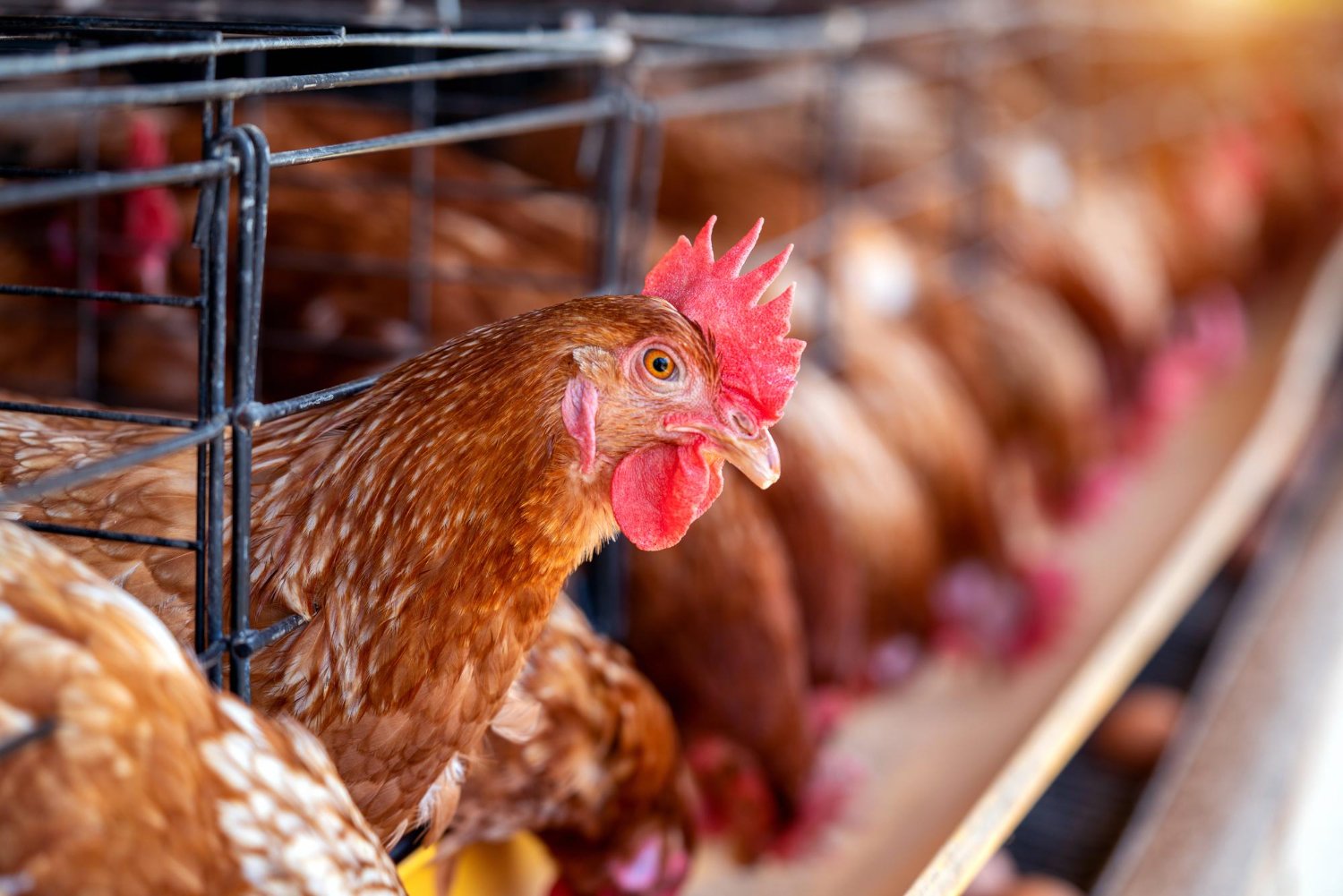
At a show, birds from dozens of holdings gather in one hall for hours or days. They share the same air, the cages stand side by side, and people move from one bird to the next. If even one bird is infected, the virus can easily pass to others. The participants then travel home and carry it to different regions.
CBC News; 14.11.2026
The organiser's words
One of the show's organisers, Rob McCulloch, told CBC that the outbreak had devastated breeders. "It's kind of like the opposite of winning the lottery. You don't ever expect it, but it could come anywhere," he said. He has never experienced an outbreak at any show he has organised.
Years of work gone in a few days
McCulloch knows breeders who have had to cull 500 and 700 birds. He had to put down his own flock of 40 birds, a breed he had worked on for about ten years. He set up a private chat so that those affected could support each other. For fanciers of rare breeds, the loss is not only financial but also years of selective breeding.
Why the whole flock is culled
Highly pathogenic avian influenza kills most infected birds within a few days, and survivors can shed the virus. There is no treatment. To stop the spread, the rules in most countries require the whole flock to be culled on a holding where the virus is confirmed. Owners usually receive compensation, but money cannot replace a breeding line.
Signs of disease
According to CFIA, infected birds may be lethargic, refuse feed and show changes in breathing, and they can die quickly. You may also notice a drop in egg production, ruffled feathers, a swollen head, a bluish comb and wattles, and diarrhoea. Sometimes birds die suddenly with no visible signs.
Migration and risk
CFIA points out that biosecurity matters all year round, but the risk is highest in autumn and spring. At these times wild waterfowl migrate across Canada and can leave the virus in ponds, fields and yards. A poultry house where hens roam near a pond is especially vulnerable.
Autumn in Canada
The show is not the only problem. In British Columbia the first case of the season was found at a poultry facility in Chilliwack, and sick and dead wild birds are being found in several provinces. CBC also recalls that a domestic cat in Saskatchewan previously died of bird flu.
Bird flu in cats
Cats become infected when they eat sick or dead birds, raw meat or raw milk. The disease is severe in cats: high fever, lethargy, loss of appetite and neurological problems. Cat owners in outbreak areas are therefore advised not to let their cats roam unsupervised and not to feed them raw poultry.
How breeders should travel to shows
- Take only healthy birds with no signs of disease.
- After the show, keep birds apart from the flock for at least two to three weeks.
- Do not take home birds without documents of origin.
- Wash and disinfect cages, carriers and your vehicle.
- Change clothes and footwear before going to your own flock.
Quarantine after a show
Quarantine is the simplest and most important measure. A bird returning from a show may look healthy but carry the virus. If it is kept apart and observed, the disease will show before the rest of the flock is infected. The quarantine group is best fed and watered last, using separate footwear.
Buying birds at a show
New birds are often bought at shows. It is the best way to bring fresh blood into a line, but also the riskiest. Ask the seller about the health of the flock, vaccinations against other diseases and whether there have been any deaths. Do not hesitate to walk away if a bird looks lethargic or is sneezing.
What CFIA is doing
The agency is tracing all show participants, checking the holdings where birds ended up and imposing movement restrictions. On holdings with confirmed virus the birds are culled and the premises cleaned and disinfected. New birds will only be allowed there after an inspection.
Bird flu and people
The risk to people remains low. Those most often infected are people who handle sick birds without protection. Owners caring for a sick flock are advised to use gloves, a mask and separate clothing, and to wash their hands afterwards.
Experience from other countries
Poultry shows and fairs have caused outbreaks in various countries before. That is why they are often restricted or cancelled during epidemics. This is hard for breeders, as competitions and exchanging birds are an important part of their lives. But the Canadian case shows what a single infected bird in a shared hall can lead to.
The organisers' responsibility
Organisers can reduce the risk: check birds at the entrance, turn away birds with signs of illness, space the cages apart, disinfect the hall and ask exhibitors to sign a declaration on the health of their flock. After the Canadian case, such measures are likely to become stricter.
What this means for Europe
European poultry shows take place in autumn and winter, right at the height of the bird flu season. In many European countries, shows and poultry fairs are restricted or banned during outbreaks. The Canadian story is a reminder of why these rules exist and an argument for breeders to quarantine birds after every trip.
European breeders and the season
If shows are allowed in your country, check the latest decisions of the veterinary service before you travel. The rules can change within days, especially when compulsory housing of poultry is introduced. It is better to miss one show than to lose a flock you have spent years building.
Supporting breeders
Losing a breeding flock is a heavy blow. Canadian breeders are supporting each other in a private chat. In Europe there are also breed clubs that help preserve rare lines: they exchange hatching eggs from healthy holdings and rebuild stocks after outbreaks.
Ornamental breeds are especially valuable
Many exhibitors at national shows breed rare ornamental and heritage breeds of chickens, ducks and geese. There are few such birds, and lines take years to develop: the breeder selects birds for colour, comb shape, feathering and temperament. When a flock is culled, a unique line that cannot be bought in a shop may disappear with it.
How to tell bird flu from other diseases
Sneezing, wheezing and lethargy also occur with other infections such as mycoplasmosis, infectious bronchitis and Newcastle disease. They cannot be told apart by eye; a laboratory test is needed. So whenever birds die unusually after a show or a purchase, vets ask owners not to guess but to report it immediately and have samples taken.
What not to do if you suspect it
Do not take a sick bird to a clinic and do not put it up for sale. Do not throw carcasses on a tip or bury them yourself. Keep dead birds in a sealed bag in a cool place and call the veterinary service: specialists will come and take samples.
What happens next
CFIA is continuing its investigation and does not rule out more cases. The agency says it will report any new outbreaks. Breeders who attended the show are advised not to move birds or sell eggs until it is clear that their flock is healthy.
When to see a vet
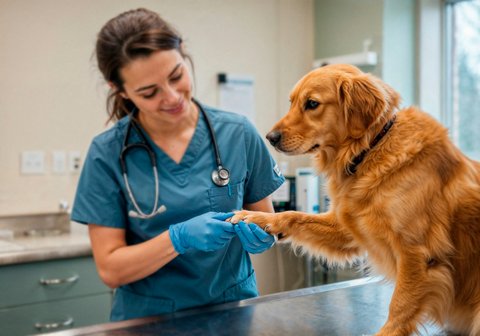
If your chickens, ducks or geese suddenly die, stop eating, struggle to breathe, sit hunched up, have a swollen head or a sharp drop in egg production, contact a vet or the veterinary service straight away. Do not move any birds until you have an answer. If your cat has eaten a dead bird and becomes ill, take it to a vet urgently as well.
Sources
- CBC News, 14 November 2026