Contents
- What happened
- Clashes during the transport
- The animal welfare position
- A silent protest
- What the city says
- Why the authorities went ahead
- How the conflict works
- A scientist's view
- The opponents' slogans
- Two camps
- Background
- Who chacma baboons are
- Why captivity is hard
- Contraception as a method
- The alternative: culling
- The role of people
- Simon's Town and its neighbours
- Troops and their territories
- What was tried before
- How capture works
- The residents' voice
- What this means for Europe
- Wild boar and foxes in cities
- Keeping pets safe
- Why wild animals should not be fed
- What happens next
- When to see a vet
What happened
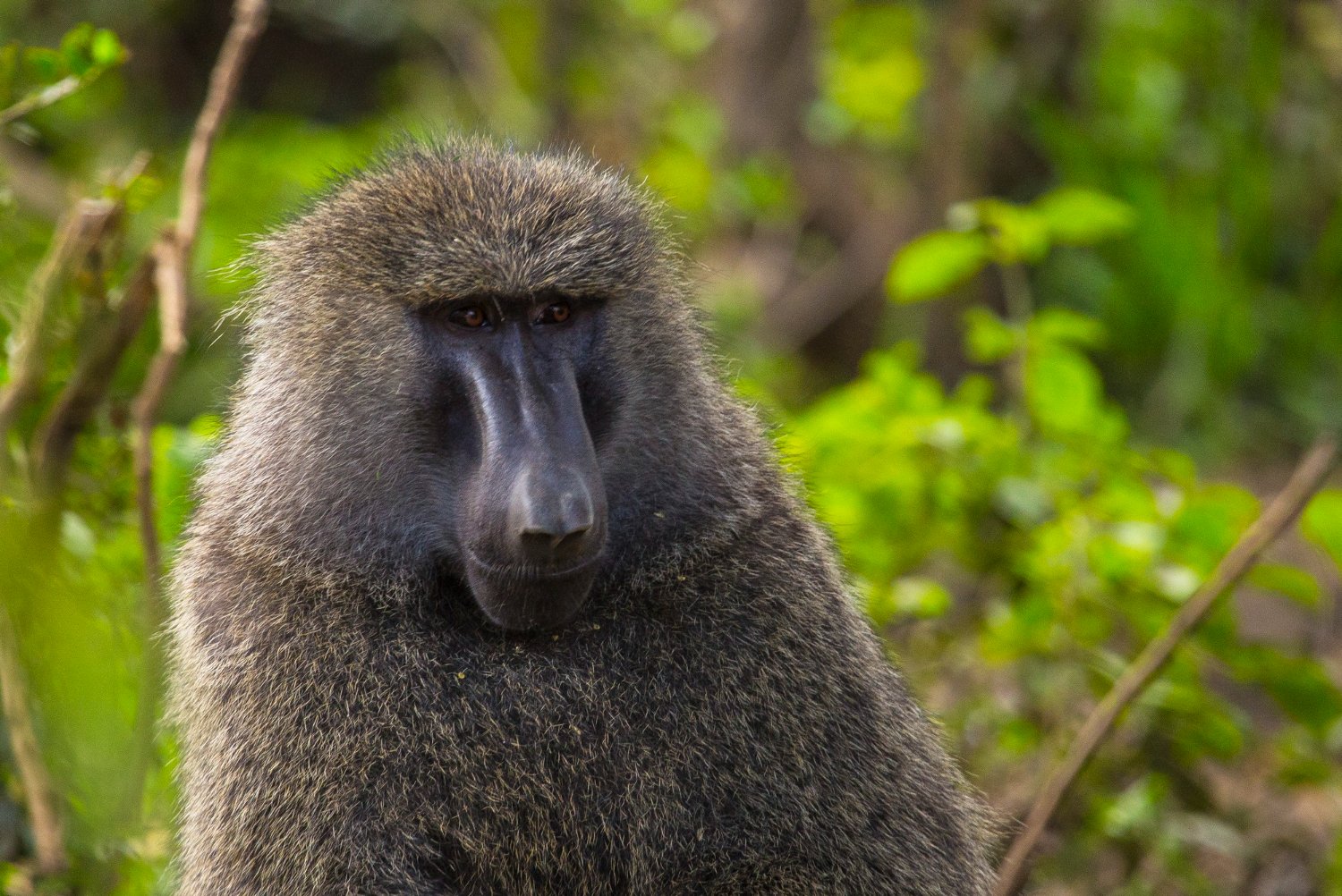
In Cape Town, the authorities captured a troop of baboons that lived around Simon's Town in the south of the Cape Peninsula and moved it to a wildlife centre. The operation took place on Friday and immediately caused uproar: residents tried to stop the vehicles, and over the weekend a silent protest began at the centre's fence.
Clashes during the transport
According to the local news outlet Daily Maverick, cited by The Guardian, protesters tried to block the vehicles carrying the baboons. One person sprayed a fire extinguisher. Staff and animals went through some tense minutes, and the transport was delayed.
The animal welfare position
The local branch of the SPCA still opposes the relocation. But it asked opponents not to obstruct the vehicles. "Capture and transport are already stressful for the baboons. Delaying their arrival prolongs their time in crates and risks adding to that stress – this is not fair on the baboons," its statement said. SPCA inspectors were present to look after the animals' welfare.
A silent protest
On Sunday dozens of people sat outside the fence of the wildlife centre and tied flowers to it. According to witnesses, baboons from a different troop came up to the fence and called to their captured relatives. The scene became a symbol of the protest on social media.
The Guardian; 13–16.11.2026
What the city says
On Sunday the City of Cape Town said the relocation had been successful. The baboons were checked by vets, are being monitored around the clock, and the females have been given contraceptive implants. This means the troop will not grow in captivity and the animals will not be bred.
Why the authorities went ahead
The city gives several reasons for its decision: the severity and persistence of the conflict between people and baboons in the urban environment of Simon's Town, the lack of suitable natural low-lying habitat, the growing risk to the baboons themselves and concerns for public safety. According to the authorities, it is a very last resort, taken after other measures failed, and an alternative to culling.
How the conflict works
On the Cape Peninsula the numbers of both baboons and people are growing. Troops come down from the mountains to areas with plenty of food: bins, gardens, kitchens. Baboons open windows and doors and get into houses and cars. At the same time, the animals themselves die on the roads, from electrocution, dogs and traps. That is why, experts say, the conflict is dangerous for both sides.
A scientist's view
Justin O'Riain, a professor of behavioural ecology at the University of Cape Town, pointed out that the baboon management plan had been through two years of public consultation. He said it was disappointing that residents and some organisations, many of which had not taken part in the process, were now putting people and animals at risk through violent actions against staff and baboons in transit.
The opponents' slogans
Mandy Neal, administrator of a baboon protection group on social media, called for silent protests every Sunday. "We stand together for the Seaforth and Waterfall troops, for their freedom, their dignity and their right to live as wild animals. Captivity is not conservation," she wrote. Some activists have even compared the city's policy to apartheid.
Two camps
Two groups have long been arguing in Cape Town. Some are convinced that baboons and people can live side by side if rubbish is cleared away, secure bins are installed and the animals are not fed. Others believe baboons are in danger in the city and in some cases need to be relocated. The relocation of the Waterfall troop is the city's first big step in this debate.
Background
We reported on this plan at the beginning of November: Cape Town intended to relocate more than 60 baboons that regularly enter homes. At the time, animal rights campaigners promised to fight it. Now the first troop has been moved, and opponents say they will continue to protest.
Who chacma baboons are
Southern Africa is home to chacma baboons, large monkeys that live in troops of several dozen individuals. They are omnivorous, intelligent and quick to learn. That is exactly why it is so easy for them to get food from people: a baboon that has opened a fridge once will remember it for ever.
Why captivity is hard
For monkeys that live in troops, life in an enclosure is a major change. They lose their familiar territory, routes and food sources. Animal welfare experts stress that the centre must provide space, stimulation, proper food and keep the troop together to reduce stress.
Contraception as a method
Contraceptive implants are a common way of managing animal numbers in captivity and sometimes in the wild. They cause no harm, work for months or years and are reversible. For the relocated troop, they are a way of preventing overcrowding at the centre without separating the animals.
The alternative: culling
In many countries, culling is the choice when the conflict between wild animals and people becomes severe. The City of Cape Town stresses that relocation was a way of avoiding this. Campaigners respond that the real alternative is to change people's behaviour: remove food, put up fences and fine people for feeding animals.
The role of people
Almost all experts agree on one thing: baboons go where they are fed. Open bins, fruit in gardens and food on windowsills teach the animals to look for food from people. If residents across the area kept food out of reach, there would be far fewer conflicts and relocation could have been avoided.
Simon's Town and its neighbours
Simon's Town is a small town on False Bay, known for its naval base and the penguin colony at Boulders Beach. The houses stand right at the foot of the mountains where the baboons live. For local residents, encounters with the monkeys are part of everyday life, and arguments about them have long been part of local politics.
Troops and their territories
Each baboon troop keeps to its own territory and routes. When a troop has fed in residential areas for years, the young learn from birth to get food from people. Retraining such a troop is very difficult: even if one food source is blocked, the animals quickly find another.
What was tried before
Cape Town has used various methods for years: rangers chased troops away from houses, secure bins were installed, windows were reinforced and fines were issued for feeding. According to the city, none of this worked well enough for the Waterfall troop, and relocation became the last option.
How capture works
Capturing a troop of monkeys is planned in advance: the animals are accustomed to baited traps so that, if possible, the whole troop can be caught at once without separating families. They are then sedated or transported in crates. Vets check the health of each animal and monitor how they adapt after the move.
The residents' voice
Residents of Simon's Town are divided. Some are tired of broken windows and raided kitchens and support the relocation. Others see the baboons as part of the local wildlife and are willing to put up with the inconvenience. It is this difference in views that makes the authorities' decisions so painful.
What this means for Europe
There are no baboons in Europe, but there are similar conflicts: foxes and wild boar in Berlin, gulls in port cities, bears in Romania and Slovakia, wolves near villages in Germany and Belgium. Everywhere the authorities have to choose between capture, relocation, culling and changing people's behaviour. The Cape Town case shows how painfully the public reacts to any decision.
Wild boar and foxes in cities
European cities are dealing with wild animals that have grown used to human food. Wild boar root through bins and lawns, and foxes raise cubs under sheds. Experts give the same advice as in Cape Town: do not feed them, keep bins closed and pick up fallen fruit. This helps more than any trap.
Keeping pets safe
Encounters between dogs and wild animals are dangerous for both. A baboon can badly bite a dog, and a wild boar or fox can pass on parasites and infections. On walks in places where wild animals are found, keep your dog on a lead and do not let it chase them.
Why wild animals should not be fed
Feeding seems kind but does harm. Animals lose their fear of people, start demanding food and become aggressive. They gather in one place, where diseases spread more easily. In the end, it is the animals that have been fed that most often have to be captured or culled.
What happens next
The City of Cape Town will continue to implement its baboon management plan. Campaigners promise silent protests every Sunday. The fate of other troops on the Cape Peninsula depends on whether conflicts in residential areas can be reduced. Experts will be watching how the Waterfall troop adapts to its new home.
When to see a vet
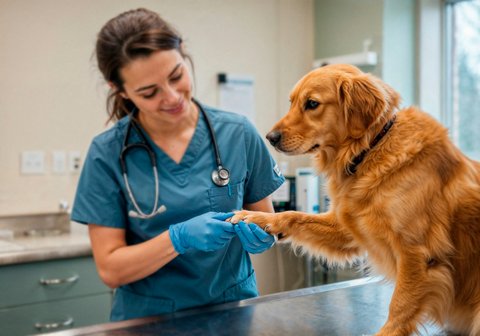
If your dog or cat has been bitten by a wild animal, wash the wound with soap and water and see a vet straight away: bites from monkeys, foxes and other animals often become infected and can carry a risk of rabies. Check that your pet has been vaccinated against rabies and keep its passport with the vaccination records.
Sources
- The Guardian, 16 November 2026