Contents
- What happened
- Where it is
- Timeline of the outbreak
- The samples' journey
- Why two weeks passed
- What measures were introduced
- Treating the live birds
- The district administration's words
- Is the outbreak under control?
- Risk to people
- Is it safe to eat chicken and eggs?
- Poultry farming in India
- Why H5N1 is so dangerous for chickens
- Why the one-kilometre zone matters
- A three-month ban
- How the virus could have reached the farms
- How the Indian outbreak affects trade
- Experience from other countries
- How surveillance works in India
- Compartments instead of zones
- The cost for farmers
- Ducks and chickens roaming free
- What this means for Europe
- A lesson for European farmers
- What backyard poultry keepers should do
- Pet cats and bird flu
- What happens next
- When to see a vet
What happened
On 14 November the Department of Animal Husbandry and Veterinary Services of the Indian state of Tamil Nadu reported a confirmed outbreak of highly pathogenic H5N1 avian influenza in Cuddalore district. The laboratory result came on 13 November. By then 35,647 birds had died in the outbreak zone. The authorities began culling and restricted movements.
Where it is
Cuddalore is a coastal district in south-eastern India, in the state of Tamil Nadu, south of Chennai. There are many poultry farms here supplying chicken and eggs to nearby towns. The virus was confirmed on a farm in Kattiyankuppam village, while the first suspicious deaths occurred on a farm in nearby Thamanampatti village.
Timeline of the outbreak
The first sudden deaths of chickens on the farm in Thamanampatti were noticed on 30 October. A veterinary team inspected the farm, took samples and sent them to the poultry disease laboratory in Namakkal. The area was divided into compartments for initial containment. Then birds began dying on neighbouring farms too.
The samples' journey
On 5 November carcass samples were sent to the National Institute of High Security Animal Diseases in Bhopal, which confirmed the H5N1 virus. Further tests were carried out at laboratories in Erode and Namakkal and at the central university laboratory in Madhavaram, Chennai. Final confirmation for the farm in Kattiyankuppam came on 13 November.
The New Indian Express; 14.11.2026
Why two weeks passed
About two weeks passed between the first deaths and final confirmation. For a highly pathogenic flu that is a long time: the virus spreads quickly between birds and farms. The delays were caused by the chain of laboratories, first regional and then the national reference laboratory. This is a common problem in countries where dangerous pathogens can be confirmed in only one place.
What measures were introduced
After confirmation, teams began culling all birds on the infected farm and on farms within a one-kilometre radius, as required by Indian government rules adopted in 2021. Movements of poultry into and out of the zone are restricted. The farms are being cleaned, disinfected and fumigated.
Treating the live birds
According to the department, live birds were given the disinfectant Virkon S, and the farm premises were sprayed with disinfectants. European vets do not usually regard such measures as protecting a flock: when highly pathogenic flu is confirmed, rapid culling and strict isolation of the zone remain the main tools.
The district administration's words
District Collector Sibi Adithya Senthilkumar said nine rapid response teams had been set up. They cull and bury birds on the farms and monitor compliance with the measures. Farmers have been banned from restocking for three months, and officials from the revenue department and local councils will check compliance.
Is the outbreak under control?
The department and the district administration say the outbreak is confined to the designated zone and the virus has not spread to neighbouring areas. Residents are being given leaflets and asked to report any unusual bird deaths to the nearest veterinary institution. The state later announced stepped-up surveillance of poultry across Tamil Nadu.
Risk to people
The authorities say they are taking every measure to prevent the virus from passing to humans. In India, as elsewhere, people are rarely infected with H5N1, mainly through close contact with sick birds without protection. That is why workers culling birds are given protective clothing, masks and gloves.
Is it safe to eat chicken and eggs?
Indian doctors and media point out that chicken and eggs are safe if they are thoroughly boiled or fried. The virus is killed when heated to 70 degrees Celsius. Raw and undercooked products are risky, as is butchering sick birds without gloves. Selling poultry at markets in the outbreak zone is prohibited.
Poultry farming in India
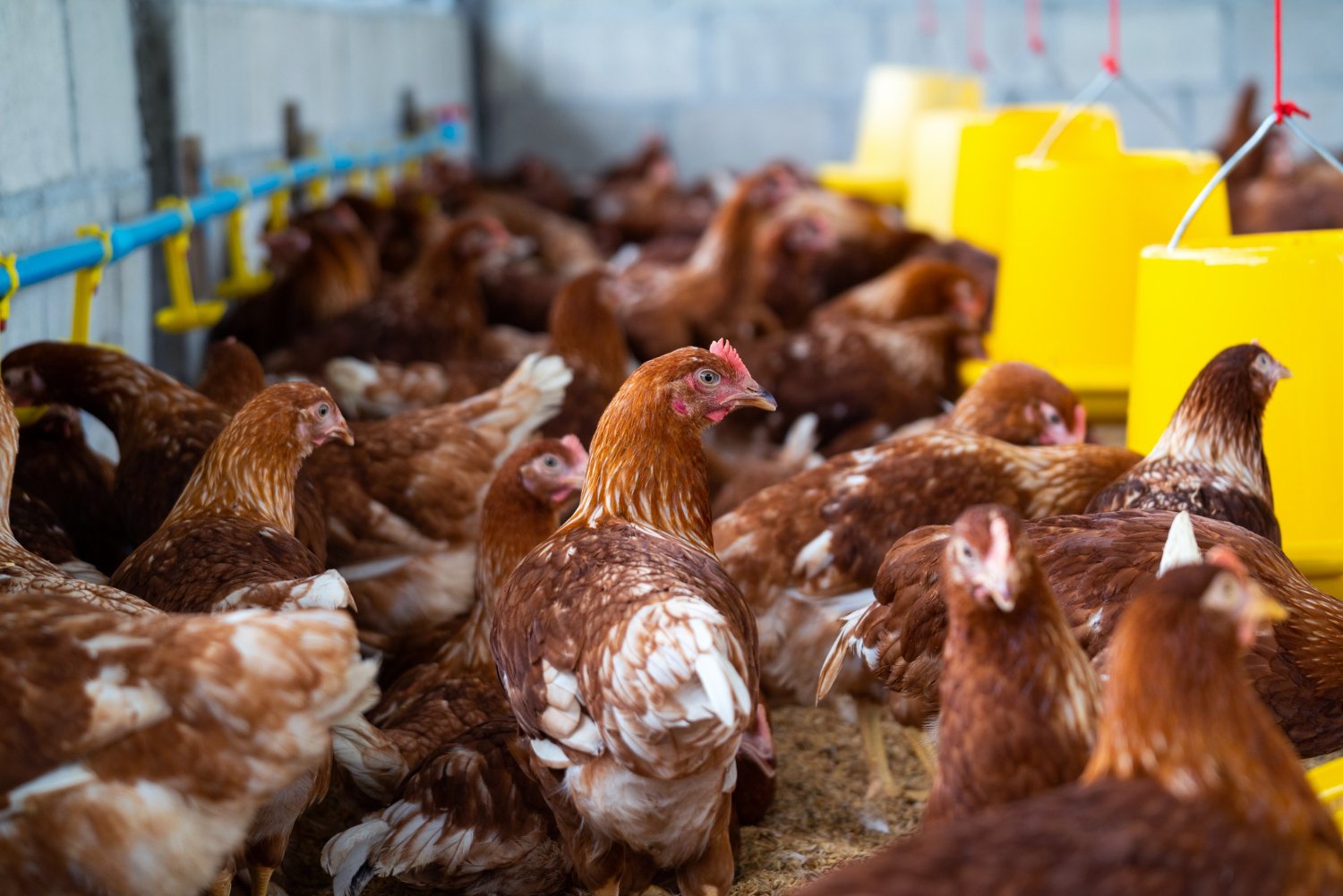
India is one of the world's largest producers of eggs and chicken. Many farms are small and not always protected from wild birds. Bird flu returns to the country almost every year, especially during the migration season, when birds from the north arrive at southern lakes and ponds.
Why H5N1 is so dangerous for chickens
Highly pathogenic bird flu strikes chickens at lightning speed. The birds stop eating, their combs and wattles turn blue, their heads and legs swell, they develop diarrhoea and egg production drops. Almost the whole flock can die within a few days. There is no treatment, so the flock is culled once the virus is confirmed.
Why the one-kilometre zone matters
Around an outbreak, the virus may already be on neighbouring farms even if there are no obvious signs. Culling birds within a one-kilometre radius creates an empty buffer that is harder for the virus to cross. It is a tough measure, but it protects farms outside the zone.
A three-month ban
After the birds are culled, the farms are cleaned and left empty. The three-month ban on bringing in new chickens is to make sure the virus has disappeared from the buildings and the environment. Only after inspections will the farms be able to bring in chicks again. For farmers this means a long break in income.
How the virus could have reached the farms
The exact route of infection has not yet been identified. The virus is usually brought by wild waterfowl that winter on the ponds and lakes of southern India. It can then pass between farms with vehicles, feed, people and egg and poultry crates.
How the Indian outbreak affects trade
Bird flu outbreaks often lead to trade restrictions. Importing countries suspend purchases of poultry and eggs from affected areas. For India this hits exporters, and for local farmers it means falling prices, as buyers in neighbouring areas temporarily avoid chicken.
Experience from other countries
In autumn 2026 bird flu is active in different parts of the world: in Europe, North America and Asia. Japan and South Korea have already seen the start of the outbreak season on farms, and in Europe large outbreaks are under way in Norway, the Netherlands and Poland. The main rule is the same everywhere: report quickly and isolate the outbreak quickly.
How surveillance works in India
In India, suspected bird flu is first tested in regional state laboratories, while the final diagnosis is made by the National Institute of High Security Animal Diseases in Bhopal. The system is reliable but slow, as samples must be sent across the country. That is why containment measures are introduced before confirmation.
Compartments instead of zones
In Cuddalore the area was divided into compartments after the first deaths. This is a way of restricting movements within the zone until the laboratory result arrives: birds and products from one compartment are not taken to another. If the virus is confirmed, the measures are tightened immediately. A similar principle is used in other countries when dangerous diseases are suspected.
The cost for farmers
For poultry farm owners, an outbreak means losing the whole flock, the feed and several months of work. The Indian authorities pay compensation for culled birds, but the amount is often disputed. If a farmer fears being left without money, they may delay reporting deaths, and that is dangerous for all their neighbours.
Ducks and chickens roaming free
In many Indian villages ducks and chickens roam freely in yards, rice fields and around ponds. There they easily come into contact with wild waterfowl. Such flocks are hard to control, and they often become the bridge by which the virus passes from wild birds to farms.
What this means for Europe
India is not a major supplier of chicken to Europe, so there is no direct threat to the market. But the Indian case shows how dangerous a delay between the first bird deaths and confirmation can be. In Europe, veterinary services aim to confirm bird flu within one or two days. For that, farmers need to report suspicions straight away rather than waiting for mass deaths.
A lesson for European farmers
European farmers also sometimes delay reporting, hoping the birds died of something else. But every day of delay can cost neighbours their flocks. In most EU countries, timely reporting is rewarded with compensation, while concealment is punished with fines and loss of payments.
What backyard poultry keepers should do
Keep your chickens where wild birds cannot reach them, and feed and water them under cover. Do not buy birds from casual sellers during outbreaks. If birds suddenly start dying, do not throw the carcasses away; keep them in a sealed bag and call a vet.
Pet cats and bird flu
Cats that catch birds or eat raw chicken can become infected with H5N1. During outbreaks in your area, do not give cats raw poultry and, if possible, keep them indoors. Dogs fall ill less often but should not pick up dead birds either.
What happens next
The Tamil Nadu authorities are continuing to cull birds in the zone and to monitor neighbouring areas. If there are no new cases, the restrictions will be lifted after inspections. Vets will keep watch on wild birds during the migration season, when the risk of new outbreaks remains high.
When to see a vet
If several of your chickens suddenly die, stop eating, have blue combs or swollen heads or legs, contact a vet or the veterinary service straight away. If your cat has eaten a dead bird and becomes lethargic, stops eating, has difficulty breathing or has seizures, take it to a vet urgently.
Sources
- The New Indian Express, 14 November 2026