Contents
- What happened
- Sacred deer
- Deer crackers
- Figures by year
- Why injuries are increasing
- The risk per tourist has fallen
- Wild, not tame
- A serious incident
- Antlers like knives
- The rut
- Antler cutting
- Deer leaving the park
- The foundation's advice
- How to tell a deer is irritated
- Why animals get used to people
- Deer and plastic
- Earlier story
- What to do if you are injured
- Tourism and animals
- What this means for Europe
- Deer in London's parks
- Dogs and deer
- Cows on Alpine pastures
- How to behave around wild animals
- What happens next
- When to see a vet
What happened
On 16 November Japanese media reported a record that Nara is not proud of. According to the city hospital, by 5 November 2026 ambulances had brought 51 people there with injuries caused by deer from Nara Park. That is already more than in the whole of 2025, when there were 46. More than 70% of the patients were foreign tourists.
Sacred deer
Deer are estimated to have lived around Nara Park for more than 1,300 years. In Shinto tradition they are regarded as messengers of the gods, and today they are protected as a national natural monument. The deer roam freely around the park and streets and even walk into buildings, are not afraid of people and happily pose for photos.
Deer crackers
The main attraction for tourists is feeding the deer special crackers called shika senbei, which are sold in the park. The deer have long since learned who has treats. They may follow a person carrying a packet of crackers, push them, grab their clothes and nip at their pockets until they get every last crumb.
Figures by year
The rise in injuries is clear from the hospital's statistics. In 2017 and 2018 there were 15 injured each year, and 24 in 2019. During the pandemic, when there were almost no tourists, there were 10 and 7. Then came 11 in 2022, 23 in 2023, 45 in 2024, 46 in 2025 and already 51 by early November 2026.
SoraNews24, News On Japan; 16.11.2026
Why injuries are increasing
The Nara authorities give two reasons. The first is tourists: in 2021 about 46,000 foreigners visited the park, and in 2025 more than 3.5 million. The second is the deer themselves: their number grew for five years in a row and reached about 1,687 animals in July 2026. More people and more deer mean more encounters.
The risk per tourist has fallen
There is also a reassuring detail. Compared with the number of visitors, the proportion of people injured has not risen over five years but fallen. There are simply dozens of times more tourists. For an individual the risk is small, but for the hospital it means more and more patients.
Wild, not tame
Yasuhiro Nakanishi, vice-chairman of the Nara Deer Preservation Foundation, says many foreigners mistakenly believe the park is a place where they can freely interact with the animals. "Some people think this is an area where they can interact with the deer, but that's not quite right. These are wild animals," he said.
A serious incident
Nakanishi described a serious case from last year: the antler of a young stag pierced the chest of a child from overseas. In September 2026, cameras captured a deer suddenly attacking a woman who had approached it, knocking her to the ground and headbutting her several times.
Antlers like knives
Ryusuke Kawaguchi, a doctor at the city hospital, warns that antler injuries can be very serious. "Deer antlers can cut like knives. If they penetrate a major blood vessel, there is a risk of severe bleeding," he said. Besides goring, deer also bite and kick with their hooves.
The rut
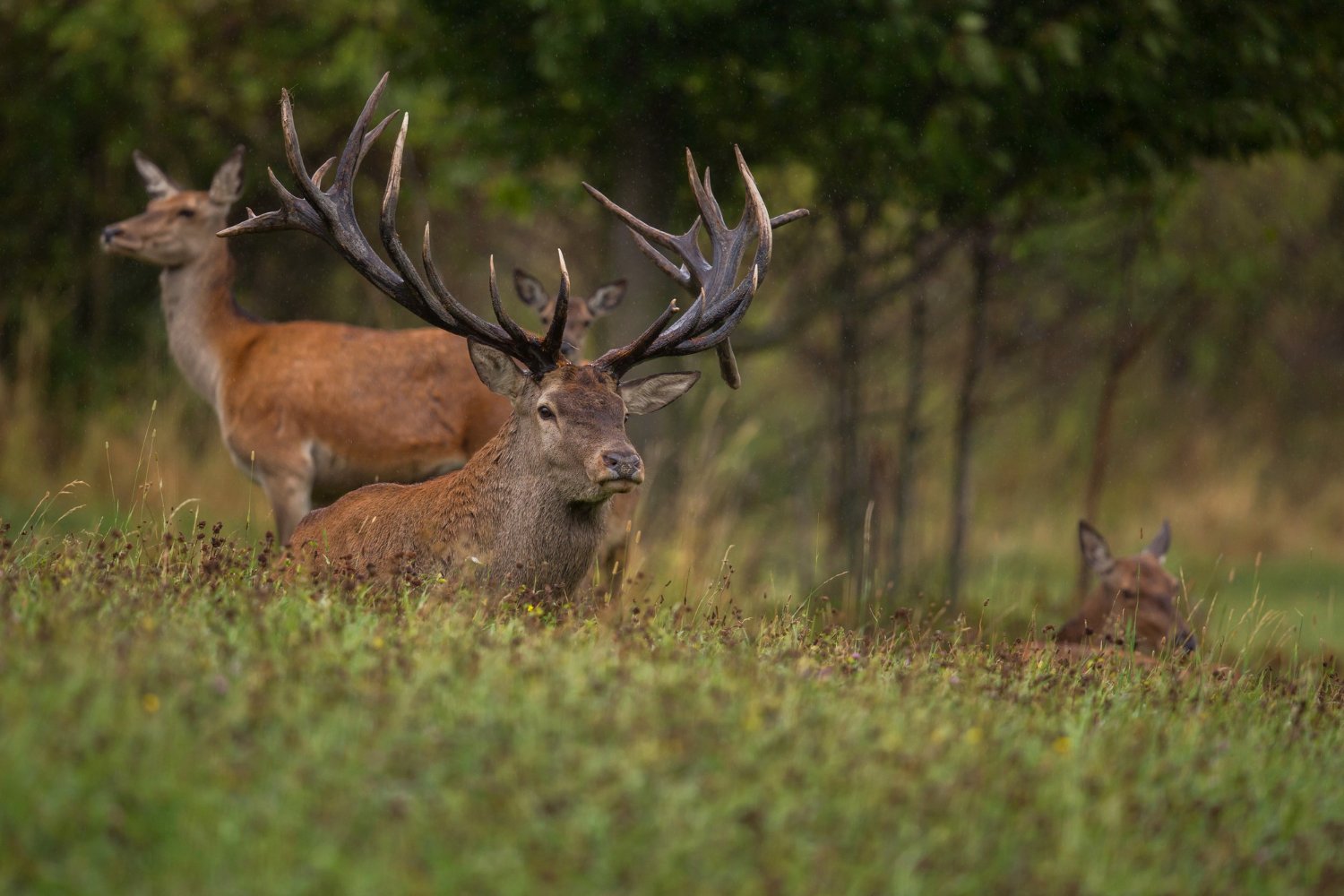
Autumn is a particularly dangerous time. From September to November deer are in rut: stags compete for hinds and become irritable and sensitive to people approaching. "During autumn, the males become more emotional. If people get too close or force themselves toward the deer, the animals may attack," Nakanishi explains.
Antler cutting
Stags' antlers begin to grow in spring and by autumn are large and hard. To reduce the risk, the deer preservation foundation cuts the antlers of the stags in the park every year. This tradition goes back several centuries. In 2026, because of the rise in injuries, it started earlier than usual.
Deer leaving the park
The growing herd also causes problems outside the park. Deer are increasingly wandering into residential neighbourhoods. In late September a deer walked into the prefectural government building through an automatic door, and the entrance had to be changed to a push-button system. On 12 November stags were seen fighting near the prefectural building.
The foundation's advice
The deer preservation foundation asks tourists to keep their distance, not to get too close and not to stroke deer that show no interest in contact. Do not tease them with crackers by holding out a treat and then pulling your hand back. When the packet is empty, show the deer your empty palms so it understands there is no more food.
How to tell a deer is irritated
A deer gives warning before it attacks. It raises its head, flattens its ears, stamps a front hoof, snorts and lowers its antlers towards you. If you see these signs, move away calmly, without turning your back abruptly or waving your arms. Keep children close and do not let them run after deer.
Why animals get used to people
Feeding makes wild animals bold and demanding. Nara's deer have lived alongside people for centuries and get treats every day. They are not afraid of crowds, but they remain wild: their behaviour depends on the season, hunger and mood. It is this mix of boldness and wildness that makes them dangerous.
Deer and plastic
Feeding deer brings other problems too. Deer in Nara have previously been found dead after swallowing plastic food bags. The animals get used to the smell of treats and eat the packaging. Tourists are therefore asked not to give deer any food except the special crackers and to take their rubbish with them.
Earlier story
We recently reported on the old antler-cutting ceremony for Nara's deer, which dates back more than 370 years. At the time, the deer preservation foundation explained that the procedure protects both people and the deer themselves from injuries during the rut. The new statistics show why it matters so much.
What to do if you are injured
If a deer bites or strikes you, rinse the wound with clean water and seek medical help, especially if the wound is deep or bleeding. Puncture wounds from antlers are more dangerous than they look: they can be deep and easily become infected. If bleeding is heavy, press on the wound and call an ambulance.
Tourism and animals
Nara is not the only place where tourism is changing the relationship between people and animals. Monkeys at Asian resorts, deer in parks, and squirrels and pigeons in European cities get used to handouts and become bolder. The more people feed animals, the more often bites and injuries occur.
What this means for Europe
Europe also has places where tourists meet semi-wild deer and other animals: London's Royal Parks with red and fallow deer, the Dyrehaven deer park near Copenhagen, and Alpine pastures with cows and goats. The rules there are similar: keep your distance, do not feed the animals and be especially careful during the rut and when young are being raised.
Deer in London's parks
Hundreds of deer live in Richmond Park and Bushy Park in London. Every autumn the parks' management warns about the rut and asks people to stay at least 50 metres away from deer. In spring and summer, hinds with fawns are dangerous. During these periods dogs must be kept on a lead.
Dogs and deer
A dog that runs at a deer is taking a serious risk: the deer may strike it with a hoof or antlers. A chase also frightens the animals and can lead to injuries. In parks with deer, dogs are kept on a lead, especially in autumn and spring.
Cows on Alpine pastures
Every summer in the Alps, hikers are injured by cows on pastures. This most often happens when people walk with a dog past cows with calves. The cows protect their calves and see the dog as a wolf. If a cow comes at you, let go of the lead: the dog will run away faster, and you will be safe.
How to behave around wild animals
- Keep your distance and do not approach for a selfie.
- Do not feed wild animals, even if it seems harmless.
- Watch children and do not let them chase animals.
- Find out when the animals' breeding season is.
- Move away calmly if an animal shows signs of agitation.
What happens next
The Nara authorities will continue to warn tourists, and the deer preservation foundation will keep cutting antlers and monitoring the animals. Ways of coping with the growing herd, which is spreading beyond the park, are being discussed. Tourist numbers are unlikely to fall, so the main hope lies in informing visitors.
When to see a vet
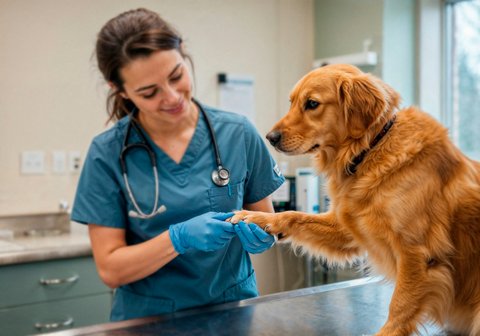
If your dog has collided with a deer, cow or other large animal on a walk and has been struck, is limping, has a wound or is having difficulty breathing, take it to a vet urgently: internal injuries are not always visible straight away. After walks in woods and parks with deer, check your dog for ticks.
Sources
- SoraNews24, 16 November 2026
- News On Japan, 2026