Contents
- What happened
- Millions of lives
- When a routine operation becomes dangerous
- Where resistance comes from
- Prevention is better than cure
- Targets for 2030
- Awareness week
- The One Health approach
- Antibiotics in livestock farming
- What is happening in dogs and cats
- Resistant staphylococci in dogs
- E. coli and the urinary tract
- Why a culture test matters
- Antibiotics are not always needed
- Finland's experience
- Rules for owners
- Hygiene at home
- Prevention in animals
- Raw food and bacteria
- Resistance in farm animals
- The role of farmers
- Horses and antibiotics
- What this means for Europe
- European rules for vets
- New medicines
- What happens next
- When to see a vet
What happened
On 16 November the World Health Organization issued a warning about microbial resistance to medicines. "The threat of resistance to antibiotics and other medicines is widespread and threatens the future of modern medicine," said WHO expert Jean-Pierre Nyemazi. The statement came on the eve of a world week devoted to the problem.
Millions of lives
An estimated more than a million people died in 2021 from infections that could not be treated with standard medicines. If current trends continue, models suggest that resistant infections will claim 39 million lives worldwide over the next 25 years. Nyemazi warns that the number of resistant bacteria is growing while far too few new antibiotics are being developed.
When a routine operation becomes dangerous
Childbirth or a planned operation can become dangerous if a patient is infected with a bacterium, virus or fungus that existing medicines no longer work against. Cancer patients and people with chronic diseases are most at risk: their treatment depends heavily on effective antibiotics.
Where resistance comes from
Resistance arises above all when antibiotics are used too often or incorrectly. This applies both to people and to industrial livestock farming. Microbes gradually adapt until familiar medicines stop working on them. And for decades too few new classes of antibiotics have appeared, so doctors are running out of reserve options.
SRF, ORF; 16.11.2026
Prevention is better than cure
"Preventing infections is the best way to reduce the need for antibiotics," said WHO expert Pravarsha Prakash. But according to her, only about a third of countries fully implement the WHO's infection prevention recommendations nationwide. These include handwashing, hospital hygiene, vaccination and clean water.
Targets for 2030
In 2024 the World Health Assembly set targets to be reached by 2030. They include infection prevention, appropriate use of antibiotics in hospitals, laboratory testing capacity and surveillance of resistance. According to the WHO, too many countries are still far from these targets.
Awareness week
World Antimicrobial Resistance Awareness Week runs from 18 to 24 November. It is organised jointly by the WHO, the Food and Agriculture Organization of the United Nations, the United Nations Environment Programme and the World Organisation for Animal Health. This is a sign that the problem is shared by people, animals and the environment.
The One Health approach
Resistant bacteria do not respect the boundaries between species. They pass from animals to people and back through direct contact, food, water and soil. That is why experts speak of a One Health approach: antibiotics need to be protected in human medicine, veterinary medicine and agriculture at the same time.
Antibiotics in livestock farming
In industrial livestock farming, antibiotics were long used not only for treatment but also for prevention and to speed up growth. In the EU, the use of antibiotics as growth promoters has been banned since 2006, and group preventive use has been severely restricted since 2022. Many countries around the world are following the same path, but in some states such restrictions are not yet in place.
What is happening in dogs and cats
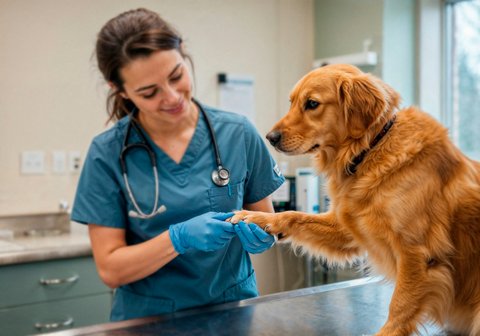
Resistance also affects pets. On 15 November, Finnish media reported that skin infections and urinary tract infections in dogs and cats are becoming harder to treat because of bacterial resistance to antibiotics. Vets across Europe are seeing a similar picture.
Resistant staphylococci in dogs
One of the main problems for vets is methicillin-resistant staphylococci, which in dogs cause persistent skin infections and ear inflammation. Only a few antibiotics work against them. Such bacteria can also pass to people living with the dog, although people rarely become ill.
E. coli and the urinary tract
Urinary tract infections in dogs and cats are most often caused by E. coli. Some strains produce enzymes that break down many antibiotics. If such an infection is treated by guesswork, the medicine may not work, and the illness may drag on and become chronic.
Why a culture test matters
To choose the right antibiotic, the vet may take a urine sample or a swab from the skin or ear and send it to a laboratory. There the bacterium is grown and tested to see which medicines it is sensitive to. This takes a few days and costs money, but it helps to choose an effective medicine straight away and not waste time on one that does not work.
Antibiotics are not always needed
Many problems in animals resolve without antibiotics. Mild diarrhoea, simple skin inflammation caused by allergy and viral infections are not treated with antibiotics. Shampoos, ointments, therapeutic diets and treating the underlying cause often help. Vets are increasingly choosing topical treatment instead of tablets.
Finland's experience
Several years ago Finnish vets reduced their use of antibiotics in dogs, especially for skin and ear infections, and it helped: the share of resistant bacteria fell. The new reports show that it is too early to relax and that the fight against resistance has to be continuous.
Rules for owners
- Give the antibiotic exactly as prescribed and finish the course.
- Do not use leftover old tablets without a vet.
- Do not give your animal medicines meant for people.
- Do not insist on an antibiotic if the vet thinks it is unnecessary.
- Agree to a culture test if the infection keeps coming back.
Hygiene at home
If your dog or cat has a resistant infection, wash your hands after caring for it, especially after cleaning wounds and changing dressings. Do not let the animal lick the faces of family members with weakened immunity. Wash bedding and bowls separately. These simple measures protect both people and other animals.
Prevention in animals
As in people, the best way to fight resistance is to prevent infections. Regular vaccinations, parasite control, proper nutrition and care of the skin, teeth and ears reduce the risk of illnesses that might need antibiotics.
Raw food and bacteria
Raw food for dogs and cats sometimes contains bacteria, including antibiotic-resistant ones. The animal can shed them in its faeces, and people can become infected while cleaning up. If you feed your pet raw meat, follow strict hygiene, wash your hands and bowls, and do not use such food in households with small children.
Resistance in farm animals
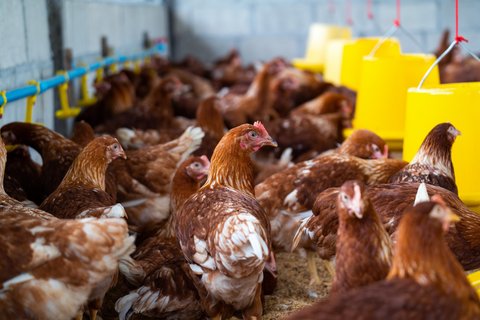
Pigs, chickens and cattle also carry resistant bacteria, such as strains of E. coli that break down many antibiotics. They can reach people via meat and through the environment. That is why the EU monitors resistance in farm animals and in food and publishes the results every year.
The role of farmers
Farmers can reduce the need for antibiotics by improving housing conditions: lower stocking density, better ventilation, clean bedding, proper feeding and vaccination. A healthy herd falls ill less often and needs treatment less often. In many EU countries, this is exactly how antibiotic use has been reduced without harming animal welfare.
Horses and antibiotics
Resistant bacteria are also found in horses, especially after surgery and long treatment in clinics. Equine vets are also moving to the principle of "as little as possible and only when indicated". Horse owners should follow the same rules as dog and cat owners.
What this means for Europe
Europe is one of the leaders in the fight against resistance: the EU has strict rules on antibiotic use in animals, and sales of veterinary antibiotics have fallen noticeably in recent years. But resistant bacteria travel around the world with people, animals and food. So success also depends on what happens in other countries.
European rules for vets
Since 2022 the EU has had a regulation on veterinary medicines that restricts preventive use of antibiotics and reserves some medicines for people only. Vets must prescribe antibiotics after an examination. For owners, this means you cannot get an antibiotic "just in case", and that is the right approach.
New medicines
Few new antibiotics are being developed because it is expensive and slow, and new medicines are used as sparingly as possible. Scientists are looking for alternatives: bacteriophages, vaccines, probiotics and antibodies. In veterinary medicine, bacteriophages are already being studied for treating ear infections in dogs.
What happens next
During world week from 18 to 24 November, the WHO and other organisations will run campaigns to inform the public, doctors and farmers about resistance. In many countries, vet clinics will also talk to owners about the correct use of antibiotics during these days. The main message is simple: every unnecessary prescription makes the next ones less reliable.
When to see a vet
If your dog or cat has a skin, ear or urinary tract inflammation that does not clear up after a course of treatment or keeps coming back, go back to the vet and discuss a culture and sensitivity test. Take your animal to the vet urgently if there is blood in its urine, frequent straining with little or no urine, a temperature, lethargy or refusal to eat.
Sources
- SRF, 16 November 2026
- ORF, 16 November 2026
- Iltalehti / Uusi Suomi, 15 November 2026