Contents
- What happened
- A housing order for all of England
- Who the 50-bird rule covers
- A prevention zone for everyone
- Compulsory biosecurity measures
- Exemptions for ducks and geese
- Outbreak in Lincolnshire
- Outbreak near Dereham in Norfolk
- Protection and surveillance zones
- Christmas turkeys
- Risk to people
- The Netherlands: Hierden again
- Why Hierden again
- Housing order in the Netherlands
- How the virus reaches farms
- Wild birds in autumn
- What backyard chicken keepers should do
- Signs of disease in birds
- Cats and bird flu
- Dogs on walks
- Eggs and meat
- If you find a dead bird
- Why vaccination is still limited
- What happens next
- What this means for Europe
- When to see a vet
What happened
On 11 November 2026, the UK government announced that from 00:01 on Friday 13 November all of England would move to compulsory housing of poultry. The decision was taken by the UK Chief Veterinary Officer, Christine Middlemiss, because of the rising number of H5N1 bird flu outbreaks on farms and findings of the virus in wild birds. In the same days the virus was confirmed on two more English poultry farms and on a second duck farm in Hierden in the Netherlands.
A housing order for all of England
Until now, measures in England had been introduced county by county. Now one rule applies to the whole country. Birds must be kept in closed buildings or under secure cover so that they do not mix with wild birds. The authorities explain that the risk of the virus being introduced has risen sharply this autumn and local measures can no longer keep up.
Who the 50-bird rule covers
Compulsory housing applies to anyone with 50 or more birds. But there is an important caveat: if someone sells or gives away eggs, poultry meat or live birds, the rule applies to them whatever the number. This means that even a small backyard flock whose eggs go to the neighbours must be kept indoors.
A prevention zone for everyone
Earlier, on 11 November, an avian influenza prevention zone with compulsory biosecurity measures was declared across England. It applies to everyone who keeps birds: commercial farms, hobbyists with a few hens in the garden and even owners of pet birds. Breaking these rules can lead to inspections and fines, and above all to the virus being brought in.
Compulsory biosecurity measures
Bird keepers in England must:
- Disinfect clothing, footwear, equipment and vehicles before and after contact with birds.
- Reduce the movement of people and vehicles to where birds are kept.
- Control rodents.
- Clean and disinfect bird housing regularly.
- Keep wild birds away from feed and water.
Exemptions for ducks and geese
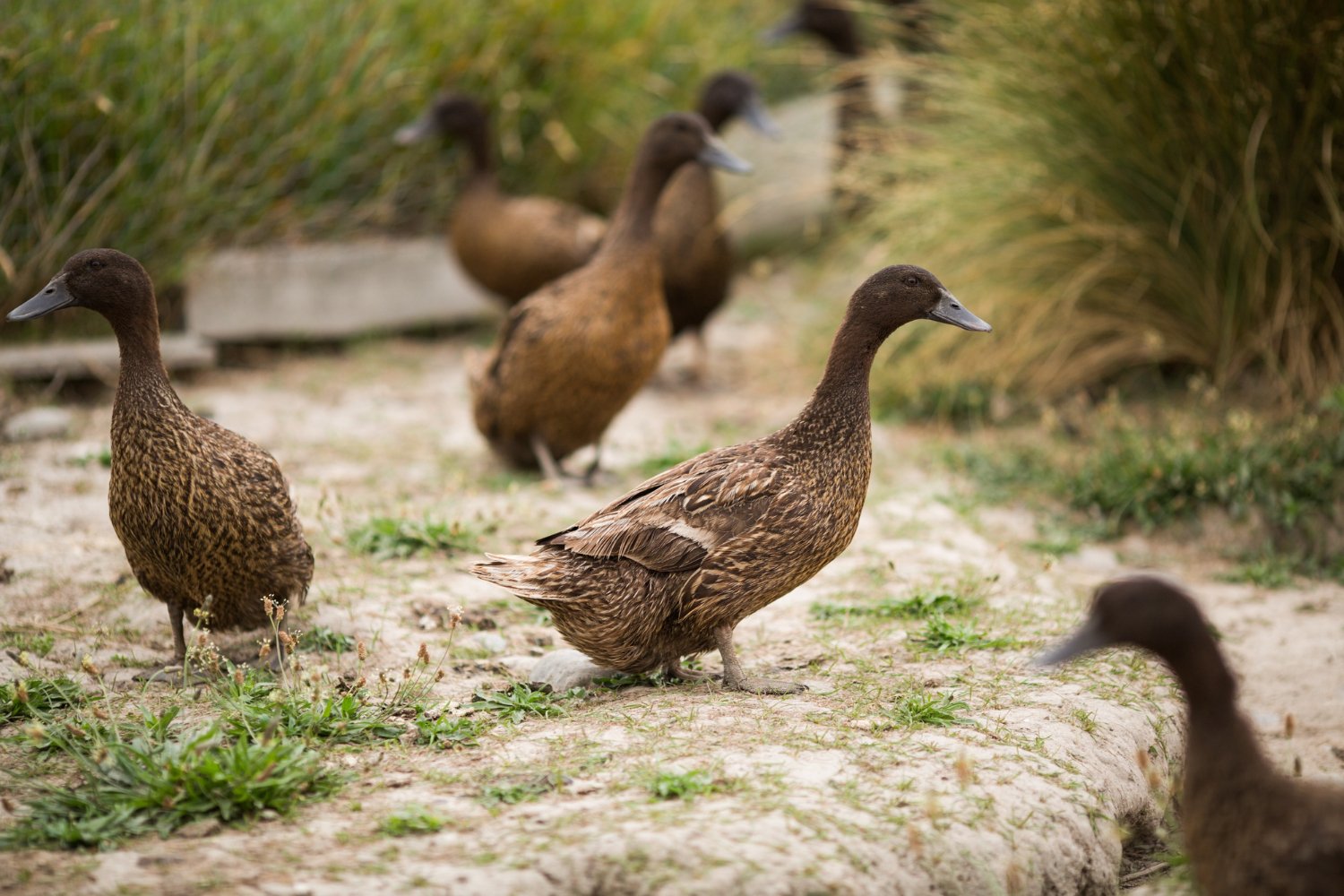
Being kept indoors harms some birds. So keepers of ducks, geese, swans, ostriches and game birds reared for release can obtain an exemption on welfare grounds. To do so, they must complete a special statement together with a vet. Even then, the birds must be fenced off from ponds and wild birds.
Outbreak in Lincolnshire
On 11 November, H5N1 was confirmed on a commercial poultry farm near the town of Market Rasen in West Lindsey, Lincolnshire. The case was given the number AIV2026/27 on the official list of outbreaks. All the birds on the farm are being humanely culled. Lincolnshire is one of England's important poultry areas, so local farmers are watching new cases particularly closely.
Outbreak near Dereham in Norfolk
The next day, 12 November, the virus was found on a commercial farm near Dereham in Breckland, Norfolk, case AIV2026/28. This is not the first outbreak in Norfolk this autumn: shortly before, H5N1 had been confirmed near Dersingham. Norfolk is the country's largest turkey-rearing area.
GOV.UK, Rijksoverheid; 11–12 November 2026
Protection and surveillance zones
A 3 km protection zone and a 10 km surveillance zone are declared around each infected farm. Movements of birds, eggs, manure and litter are restricted within them, and many movements require a licence. Vets check neighbouring holdings. These zones stay in place for several weeks until it is clear that the virus has not spread further.
Christmas turkeys
Around 8 million turkeys are reared in the UK each year, and outbreaks before the holidays always cause concern. The government has said it does not expect any impact on the availability of Christmas turkeys and other seasonal poultry. But for individual farmers whose flocks are culled, the losses can be very heavy, veterinary services acknowledge.
Risk to people
The UK Health Security Agency assesses the risk to people as very low and continues to monitor the situation. The Food Standards Agency points out that properly cooked poultry and eggs are safe. Human infections are usually linked to close contact with sick birds, for example during slaughter without protection.
The Netherlands: Hierden again
In the Netherlands, on 11 November the virus was confirmed on a duck breeding farm in Hierden (municipality of Harderwijk, Gelderland province). Around 9,500 birds are being culled by the Netherlands Food and Consumer Product Safety Authority (NVWA). A 10 km zone has been set up with a ban on moving birds, eggs, manure and litter out. This is the second infected farm in the village in just three days.
Why Hierden again
Both farms in Hierden have been hit before: one twice in 2022, the other twice in 2022 and once more in 2025. The Dutch agriculture ministry has ordered further investigation to understand how the virus keeps getting into these farms. The answer matters for the whole region, which has a high density of poultry farming.
Housing order in the Netherlands
The Netherlands has had a national housing order for all commercial poultry since 28 October. Hobby keepers of chickens must protect their birds from wild birds. Visits to poultry houses are allowed only when necessary — for vets, animal care and maintenance. In this way the country is trying to get through the peak of autumn migration.
How the virus reaches farms
The main source is wild waterfowl, which fly south in autumn and stop on fields and water bodies. The virus gets onto farms in droppings, on footwear and wheels, and through feed and water that wild birds can reach. That is why housing orders and disinfection remain the main means of protection.
Wild birds in autumn
In autumn, more and more dead wild birds with H5N1 are found across Europe: geese, swans, gulls and birds of prey. Each such find shows that the virus is circulating nearby. That is why veterinary services ask people to report dead birds, especially if there are several, and not to touch them.
What backyard chicken keepers should do
Even if you have five hens, the biosecurity rules apply to you too:
- Keep your birds under a roof or in a covered run.
- Feed and water them only under cover.
- Change footwear before entering the coop.
- Keep strangers away from your birds.
- Tell your vet about sudden deaths or a drop in egg laying.
Signs of disease in birds
In chickens, highly pathogenic bird flu often begins with the sudden death of several birds. Other signs include lethargy, refusing food and water, a sharp drop in egg laying, a bluish comb and wattles, swelling of the head, difficulty breathing and diarrhoea. Ducks and geese sometimes show no obvious symptoms but still spread the virus.
Cats and bird flu
Cats can catch H5N1 if they catch a sick bird or eat raw meat from an infected bird. In cats the disease is severe: high temperature, breathing problems, loss of coordination. In areas with outbreaks, vets advise keeping cats indoors and not feeding them raw poultry.
Dogs on walks
Dogs are infected less often, but there is a risk from contact with dead birds. On walks near water where there are many wild birds, it is best to keep your dog on a lead and not let it pick up feathers or carcasses. If your dog does eat something, watch it closely for a few days.
Eggs and meat
Eggs and poultry meat from shops are safe if properly cooked. The virus is killed by heat. In areas with outbreaks, it is best not to use raw eggs from your own hens in dishes that are not cooked. A bird that has fallen ill or died must not be slaughtered or eaten.
If you find a dead bird
Do not touch dead birds with bare hands or take them home. Note the place and report the find to the veterinary service: in England to the Defra Rural Services Helpline, in the Netherlands to the NVWA. If you must move a bird, use gloves and a bag, then wash your hands.
Why vaccination is still limited
Bird flu vaccines for birds exist, but many countries use them cautiously because of trade rules and difficulties with surveillance. The Netherlands and France are already trialling and using vaccination for certain types of poultry. The UK is still relying on biosecurity and the rapid culling of infected flocks.
What happens next
Compulsory housing usually lasts until spring, when migration ends and the risk falls. The authorities will review the measures each time new data appear. Bird keepers should prepare housing, stocks of feed and bedding in advance so that their birds can get through a long winter indoors in comfort.
What this means for Europe
The 2026 bird flu season is moving fast: housing orders are in force in the Netherlands, England and partly in other countries. The more strictly keepers follow simple rules — a roof, disinfection, protecting feed from wild birds — the fewer farms will have to be emptied. This applies even to those with only a few hens.
When to see a vet
Tell your vet or the veterinary service if your chickens, ducks or geese show sudden deaths, lethargy, refusal of food, a drop in egg laying, swelling of the head, a bluish comb or difficulty breathing. Take your cat to the vet if, after contact with a bird, it has a fever, lethargy, a cough or loss of coordination.
Sources
- GOV.UK (Defra), 11 November 2026
- GOV.UK, 12 November 2026
- GOV.UK, 11 November 2026
- GOV.UK, 12 November 2026
- Rijksoverheid, 11 November 2026