Contents
- What happened
- What section 28 is
- The minister's words
- Anyone could protect animals
- A "clear risk" would be enough
- After an attack
- Unfenced land
- WWF's position
- What WWF proposes
- A rise in shooting
- Why shooting has increased
- Hunting dogs and wolves
- Sheep and grazing
- How to protect a dog while hunting
- How to protect sheep
- Wolf protection in the EU
- The debate in Sweden
- What happens next
- Risks to people
- Lynx and wolverine
- Coexistence
- Compensation for owners
- Why clear rules matter
- Wolves in Sweden
- What hunters think
- Virtual fences
- What it means for Europe
- When to see a vet
What happened
On 12 November 2026 the findings of a government inquiry into protecting domestic animals from predators were presented in Sweden. It proposes changing section 28 of the hunting ordinance — the rule under which a person may, without separate permission, kill a predator attacking domestic animals. The changes are meant to make such shooting simpler and clearer.
What section 28 is
Section 28 of the Swedish hunting ordinance allows people to protect domestic animals from wolves, bears, lynx and wolverines without waiting for an official decision. At present this is allowed if an attack is under way or about to begin. Every such shot must be reported to the county administrative board, which examines the circumstances.
The minister's words
Rural Affairs Minister Peter Kullgren said that many hunters and animal owners find the current rules complicated and unclear. In his view, uncertainty about when it is permissible to intervene can, in the worst case, lead to serious consequences. He therefore welcomes the completion of the inquiry.
Anyone could protect animals
The first proposal is to give anyone the right to protect domestic animals, not just the owner or the person caring for them. A neighbour who sees a wolf near someone else's flock, for example, would also be able to intervene. At present not everyone formally has this right, and that causes disputes after every incident.
A "clear risk" would be enough
The second proposal concerns the moment of the shot. Currently, shooting is allowed when there is an "immediately threatening danger" of attack. The inquiry proposes permitting it already at a "clear risk of attack". This considerably widens the range of situations in which a predator can be killed lawfully.
Natursidan; 12 November 2026
After an attack
The third change: if a predator has already attacked domestic animals and there is a risk of a repeat attack, it could be killed even if not immediately after the first attack. Currently the rule requires a link to a specific moment of attack. Farmers have long complained that a wolf comes back to the flock and nothing can be done.
Unfenced land
The fourth proposal concerns location. A predator could be killed within or near any land where domestic animals are kept, even if it is not fenced. The boundary could be ditches, streams or virtual fences — systems that keep livestock in place with collars and signals.
WWF's position
WWF criticises the proposals. Its predator expert Annika Forsberg acknowledges that wolf attacks on hunting dogs and livestock are a central issue for coexistence. But, she says, the ability to protect animals already exists, and protective shooting should remain a last resort.
What WWF proposes
WWF suggests focusing on measures that reduce the risk of attacks: protective vests and collars for dogs, electric fences for sheep, technical aids that make it possible to see wolves during a hunt, information and advice, and changes to the way hunts are carried out. In the organisation's view, this reduces conflict in the long term.
A rise in shooting
The statistics show how many wolves are killed under section 28. In 2005–2012 the average was 3–4 wolves a year. From 2013, when such cases began to be reported to the county board instead of the police, it was between 2 and 8 a year up to and including 2022. Since the current government took office, the number has risen noticeably.
Why shooting has increased
Forsberg calls the rise "interesting": such levels are not unique historically, but three years in a row with a high number of shootings stand out. The reasons are unclear. Wolves have moved into more populated areas and encounter domestic animals more often, and the government has changed its wolf policy. A direct link is hard to establish.
Hunting dogs and wolves
In Sweden wolves most often attack hunting dogs working freely in the forest, especially hounds and elkhounds. Dog owners take such losses hard and demand the right to protect their dogs. It is cases involving dogs that most often spark disputes about section 28.
Sheep and grazing
The second big source of conflict is sheep. A wolf can kill or injure several sheep in a single night. The state compensates for losses and pays part of the cost of protective fencing, but farmers say fences do not always work and grazing sheep over large areas is becoming ever harder.
How to protect a dog while hunting
Owners of hunting dogs in wolf areas are advised:
- Use a protective vest and a GPS collar.
- Check for fresh wolf tracks before hunting.
- Do not hunt with a dog near a known den.
- Keep the dog closer at dusk.
- After an attack, take the dog to a vet immediately.
How to protect sheep
For sheep, electric fences of sufficient height, night enclosures and livestock guardian dogs work best. It is important to check the fence regularly, especially in winter and after snowfall. In Sweden, support for protective fencing can be obtained from the county administrative board.
Wolf protection in the EU
The wolf is protected in the EU, although in recent years its status has been downgraded from "strictly protected" to "protected". Countries are obliged to keep its population in good condition. Any changes to shooting rules in Sweden will therefore be examined for compliance with European law.
The debate in Sweden
The wolf is one of the most heated topics in Swedish politics. Rural residents and hunters want fewer wolves and more freedom to protect their animals. Conservationists argue that the population is already small. The government has already lowered the target number of wolves, sparking protests and legal challenges.
What happens next
The inquiry's proposals will now be sent out for consultation to agencies, organisations and regions. After that, the government will decide which changes to make to the hunting ordinance. The inquiry itself acknowledges that the new rules could lead to more predators being killed.
Risks to people
Widening the right to shoot requires clear safety rules. Shooting at a predator near people, houses and roads is dangerous, and mistakes in identifying the animal are possible. Experts therefore stress that even with simpler rules, firing a shot must remain a responsible decision.
Lynx and wolverine
Section 28 does not only concern wolves. Lynx attack sheep and sometimes cats, while wolverines attack reindeer and sheep. Simplifying the rules will affect these species too. At the same time, licensed lynx hunting is permitted in Sweden, with quotas changed in several counties this year.
Coexistence
Experience from different countries shows that coexistence with predators is possible if protection of animals, compensation and limited culling of problem individuals are combined. The question is one of balance. Sweden is now shifting the balance towards freer shooting, and the consequences of that decision will become visible in a few years.
Compensation for owners
In Sweden the state compensates owners for damage caused by predators: dead sheep, dogs and reindeer. This requires an inspection by a county board specialist who confirms that a predator was responsible. Compensation softens the blow but does not bring back a beloved dog, which is why owners demand the right to act before an attack.
Why clear rules matter
At present, after every shot under section 28 the county board checks whether the conditions were met, and sometimes the case goes to the police. A person who has protected their dog or sheep can end up under investigation. The inquiry is trying precisely to make the rules clearer, so that people know in advance what they are allowed to do.
Wolves in Sweden
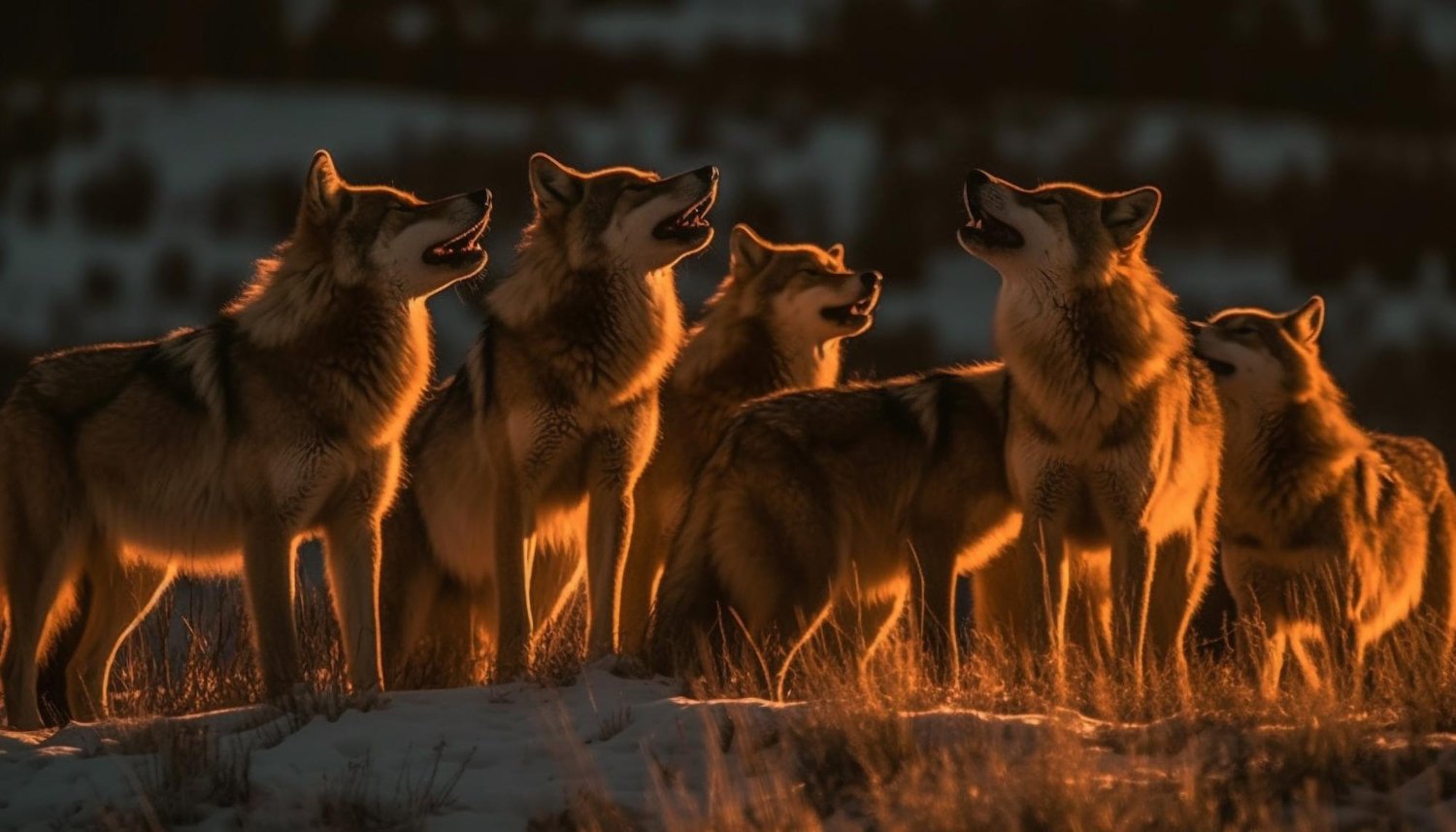
Several hundred wolves live in Sweden, mainly in the central part of the country. The population is linked to wolves in Norway and Finland. Scientists have long debated how many wolves are needed to preserve the species given inbreeding, and politicians how many wolves rural areas are prepared to tolerate.
What hunters think
Swedish hunting organisations welcome the simplification. They have long said that dog owners and farmers are at a disadvantage: the predator is protected by law, while protecting one's own animals is complicated and risky. Hunters believe clear rules will reduce tension around wolves.
Virtual fences
A virtual fence is a system in which animals wear GPS collars and the boundary of the pasture is set in an app. As an animal approaches the boundary, it hears a sound and then receives a mild pulse. Such systems are spreading in Scandinavia, and the inquiry proposes treating land using them in the same way as fenced pasture.
What it means for Europe
Similar debates are under way across Europe: Wallonia is preparing a new wolf plan, and the Netherlands and Germany are discussing culling problem individuals. The Swedish proposals are an example of how countries are trying to respond to growing predator numbers. For dog and livestock owners, prevention matters most: fences, vests and vigilance.
When to see a vet
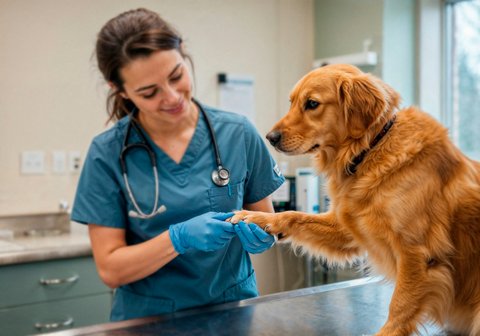
Take your dog to a vet urgently if it has been attacked by a wolf, lynx or other wild animal, even if the wounds look minor: bites are often deeper than they appear and quickly become infected. Call a vet to injured sheep and other animals after an attack, especially if there is bleeding or a fracture.
Sources
- Natursidan, 12 November 2026
- Sveriges Radio, 14 November 2026