Contents
- What happened
- A cow after calving
- Money and feelings
- Vets on the front line
- An import boom
- Five times the price
- Why shortages arise
- A small market
- What the authorities promise
- Which medicines go missing
- Farming under pressure
- Pets too
- The risks of switching medicines
- Antibiotics and resistance
- A Europe-wide problem
- What owners can do
- Do not buy medicines informally
- The vet's role
- Prevention for farmers
- The cost to the sector
- Switzerland and the EU
- Milk fever in cows
- How legal imports work
- Vaccines for dogs and cats
- The language of leaflets
- How clinics try to prevent shortages
- Human medicine
- What it means for Europe
- When to see a vet
What happened
On 12 November 2026 the Swiss broadcaster RTS reported on the growing shortage of veterinary medicines in the country. Antibiotics, vaccines and even simple anti-inflammatories that vets use every day are becoming harder to obtain. The disruption affects both farm animals and pets.
A cow after calving
Farmer Cédric Pradervand told RTS what the absence of the right drug can lead to. "If there's no calcium to give a cow after calving, she can die," he explained. A mineral deficiency after giving birth or an infection may seem minor, but without medicine they become dangerous.
Money and feelings
According to Pradervand, losing an animal hurts both financially and emotionally. "Our animals are farm animals, of course, but we get attached to them," he says. What farmers find most distressing is knowing the symptoms and knowing how to treat them, but being unable to because the drug is not available.
Vets on the front line
Ten years ago such disruptions were isolated; now they happen all the time. So far the worst has been avoided thanks to vets. For them, finding medicines has become a daily task. "We look for where we can order, we find alternatives, we try ordering abroad," says vet Manuela Durrer.
An import boom
The number of orders to import medicines from abroad has risen sharply this year: 6,296 orders, more than 110,000 packs. Vets can import products that are not available in Switzerland, but this requires paperwork and time. Importing has become not the exception but part of clinics' everyday work.
RTS; 12 November 2026
Five times the price
Importing from abroad costs more. Sometimes an imported product costs five times as much as usual. These costs ultimately fall on farmers and animal owners. In addition, the leaflets for such medicines are not always translated into French, and treatment plans have to be adapted.
Why shortages arise
There are several reasons. Many manufacturers have moved production abroad. The Swiss market for veterinary medicines is too small and fragmented to compete with the EU market, which is more attractive to investors. The veterinary medicines market faces the same problems as the market for human medicines.
A small market
To sell a product in Switzerland, a manufacturer needs a separate authorisation, must translate documents into several languages and meet local requirements. For a country with relatively few animals, this is often not worthwhile. So some companies simply do not register products in Switzerland or withdraw from the market.
What the authorities promise
The authorities contacted by journalists say they want to improve the situation. Several changes to the law are being prepared: to make foreign investment easier and to simplify the current legal framework. But such changes take time, while vets and farmers need medicines now.
Which medicines go missing
Most often it is the most essential products:
- Antibiotics to treat infections.
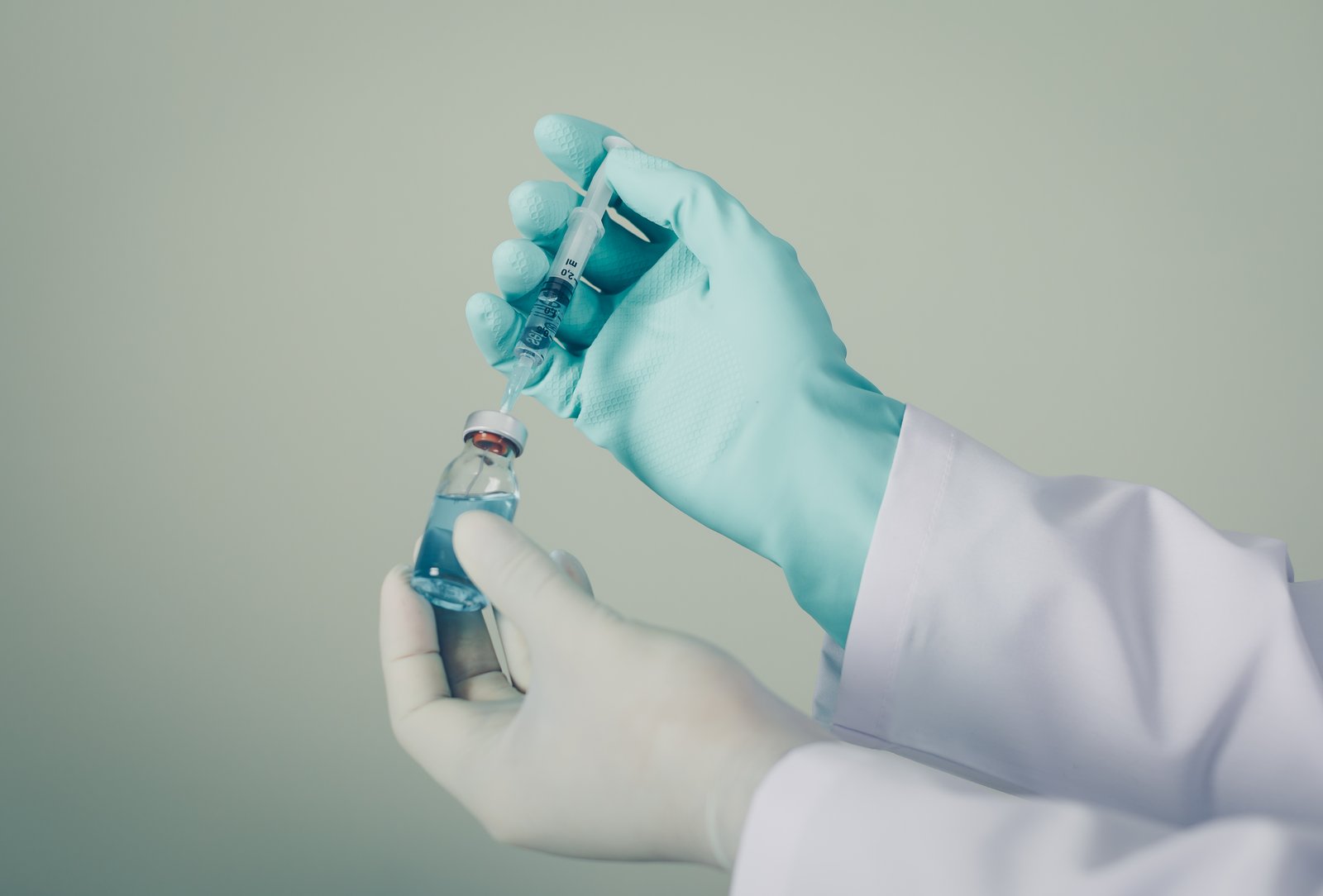
- Vaccines for pets and farm animals.
- Anti-inflammatories and painkillers.
- Mineral products, such as calcium for cows.
- Anaesthetics and emergency drugs.
Farming under pressure
For farmers the shortage is especially dangerous: livestock diseases develop quickly, and losing an animal is a direct economic loss. A dairy cow with post-calving hypocalcaemia can die within hours without treatment. A lack of vaccines makes disease prevention in herds harder.
Pets too
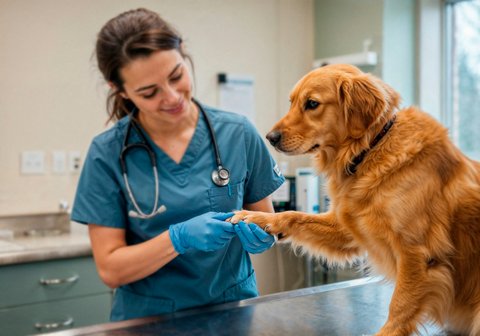
Dog and cat owners are also facing disruptions: they have to wait for the right vaccine, and a familiar medicine is replaced with another. For animals with chronic conditions that need a constant drug, this is especially worrying. Switching medicines requires a vet's supervision and sometimes new tests.
The risks of switching medicines
When the right product is not available, the vet chooses an alternative. But a substitute does not always work the same way, may need a different dose or have different side effects. Vets spend time searching and recalculating, and owners have to watch their animals more closely.
Antibiotics and resistance
A shortage of antibiotics creates another problem: vets sometimes have to use a drug that would not be the best choice. This can contribute to bacterial resistance to antibiotics. Switzerland, like the EU, is trying to reduce antibiotic use in animals and to choose drugs carefully.
A Europe-wide problem
Shortages of veterinary medicines are being felt in other European countries too. Production is concentrated in a few companies and plants, often outside Europe. A breakdown at a single plant can cause shortages in several countries at once. Veterinary organisations are calling for more resilient supply chains.
What owners can do
Animal owners should plan vaccinations in advance and, in agreement with their vet, keep a supply of medicines for chronic conditions. Do not wait until the last tablet to order a new pack. If the clinic offers a substitute, ask how it differs and what to watch for.
Do not buy medicines informally
During shortages it is tempting to buy medicine online or bring it from abroad yourself. Vets warn that this is dangerous. The product may be counterfeit, stored incorrectly or unsuitable for the animal. Medicines should be prescribed and supplied by a vet.
The vet's role
A vet knows what alternatives exist, how to use them and how to arrange a legal import. Trust your vet to choose a substitute and do not change the dose yourself. For long-term treatment, agree on a plan in case of supply disruptions.
Prevention for farmers
When medicines are scarce, prevention is especially important: correct feeding of cows before and after calving, good hygiene, vaccination on schedule and timely check-ups. The less animals fall ill, the fewer medicines are needed. Many problems, such as post-calving hypocalcaemia, can be prevented.
The cost to the sector
The shortage increases veterinary costs: vets' time spent searching for drugs, expensive imports and extra visits. In the end this is reflected in the price of veterinary services and livestock products. For small farms such costs are especially hard.
Switzerland and the EU
Switzerland is not in the EU and has its own system for authorising medicines. Vets have long proposed making it easier to recognise products already approved in the EU, so they can reach the Swiss market faster. This is one of the options now being discussed as part of the legal changes.
Milk fever in cows
Milk fever, or hypocalcaemia, is a common problem in dairy cows. After calving, a lot of calcium is lost in the milk, and blood levels drop sharply. The cow becomes weak, trembles, cannot get up and may die without help. It is treated with calcium given into a vein or under the skin. This is the very product the farmer talked about in the report.
How legal imports work
In Switzerland a vet can import a product that is not available on the local market if there is no suitable authorised alternative. This requires a permit and compliance with storage and record-keeping rules. The procedure takes time and paperwork, so it does not always help in emergencies.
Vaccines for dogs and cats
Vaccine shortages are especially awkward for puppies and kittens, whose course of vaccinations has to be given at set times. If the right vaccine is not available, the vet may offer another with a similar composition or shift the schedule slightly. The main thing is not to skip the course altogether and to discuss a substitute with the vet in good time.
The language of leaflets
Switzerland is a multilingual country, and medicines must have leaflets in the national languages. Imported medicines often come with documents in German, Italian or English. In the French-speaking part of the country this causes difficulties: vets and farmers have to work through leaflets in a language that is not their own.
How clinics try to prevent shortages
Clinics try to keep a small stock of the most essential drugs, work with several suppliers and share information with colleagues about where medicines are available. Veterinary associations collect data on disruptions and report them to the authorities so that they can see the scale of the problem.
Human medicine
Medicine shortages in Switzerland do not only affect animals. Disruptions in the supply of antibiotics, painkillers and other drugs for people have also been discussed for years. The causes are similar: a small market, complex authorisation and production abroad. Solutions adopted for human medicine often help veterinary medicine too.
What it means for Europe
The Swiss example shows that veterinary medicine shortages are not accidental but a systemic problem of small markets and concentrated production. In the EU, new rules on veterinary medicines are meant to improve availability, but disruptions happen there too. Animal owners should plan treatment in advance. In the UK, the Veterinary Medicines Directorate publishes information on supply problems.
When to see a vet
If your animal is on long-term treatment and the medicine has run out or is not available, contact your vet immediately and do not stop the treatment on your own. Call a vet urgently to a cow that cannot get up after calving, is trembling or listless, and to animals with a high temperature, seizures or difficulty breathing.
Sources
- RTS, 12 November 2026