Contents
- What happened
- Where the fence will run
- What the fence will be like
- Why it is needed
- Timing and cost
- The fence will not get in people's way
- How ASF reached Finland
- What African swine fever is
- Why the virus is so hardy
- The risk to pig farms
- Experience from other countries
- What else is being done in the zone
- What hunters should do
- Hunting dogs
- What mushroom pickers and walkers should do
- How to report a dead boar
- For pig keepers
- Food waste
- Why there are more boar
- The economics
- How long the fight will last
- Signs of the disease in pigs
- How to recognise a sick boar
- How hunting works in the zone
- What pig farmers say
- What it means for Europe
- When to see a vet
What happened
On 12 November 2026 the Finnish Food Authority, Ruokavirasto, announced that it is preparing to build a temporary electric fence in south-eastern Finland. The fence will run around the core of the zone where African swine fever has been found in wild boar. Its purpose is to steer the movement of the boar and stop the virus spreading further. The news was reported by the Finnish public broadcaster Yle.
Where the fence will run
The fence line will pass through the municipalities of Miehikkälä, Virolahti and Lappeenranta and will follow the boundaries of the core infection zone. This is an area near the country's eastern border, heavily forested, where wild boar move freely between patches of land. The planned length of the fence is 83 kilometres.
What the fence will be like
The fence will be electric, 120 centimetres high, and will operate all year round. That height is enough to stop boar jumping over or pushing through, while the electric current deters them from trying to get past. The fence is temporary: it will be removed once the disease has been brought under control.
Why it is needed
The fence has two jobs at once. It prevents infected boar leaving the core zone and carrying the virus across the country. And it stops healthy boar entering the area where the virus is already present. In this way the outbreak is gradually isolated, and the number of boar inside can be reduced.
Timing and cost
Construction begins in December and, according to the authority's estimate, will take about three months. The budget is more than a million euros, with Ruokavirasto covering all costs. Winter was also chosen because the boar need to be cut off before spring, when piglets are born and the animals start moving around more.
Yle, Ruokavirasto data; 12 November 2026
The fence will not get in people's way
The authority stresses that the fence will not restrict people's movement. Roads will have gaps or gates, and residents, tourists, hunters and mushroom pickers will be able to walk and drive as before. The main thing is to close gates behind you where there are any, so as not to leave the boar a way through.
How ASF reached Finland
According to Ruokavirasto, the first infected boar probably entered Finland around the turn of May and June 2026. The country's eastern border runs through forest, and wild animals cross it without restriction. For Finland, which had never had the disease before, this is a serious blow to pig farming.
What African swine fever is
African swine fever is a severe viral disease of domestic pigs and wild boar. It is usually fatal, and there is no vaccine against it in Europe. The virus does not infect humans or any animals other than pigs. Meat from infected animals poses no danger to people, but it can become a source of infection for pigs.
Why the virus is so hardy
The ASF virus is very resistant in the environment. It survives for a long time in the carcasses of dead boar, in soil, on clothing and footwear, and in some meat products it can last for months. That is why the disease sometimes jumps hundreds of kilometres: the virus is carried by people and vehicles, not just by boar.
The risk to pig farms
The main danger is infection of domestic pigs. If the virus reaches a farm, every pig on the holding has to be culled and trade restrictions are imposed around it. Even cases in wild boar cause problems for pork exports. That is why the Finnish authorities are trying to keep the virus in one area.
Experience from other countries
Ruokavirasto notes that similar fences have already proved effective elsewhere. Czechia and Belgium managed to eliminate ASF in wild boar completely by combining fences, intensive hunting and searches for dead animals. Sweden stamped out an outbreak in boar near Fagersta. Germany built fencing along its border with Poland.
What else is being done in the zone
The fence is only one of the measures. In the infected area teams search for boar carcasses, take samples, and restrict hunting and the movement of pigs. Carcasses that are found are removed and destroyed so the virus cannot pass to other boar. Without this work the fence would achieve nothing.
What hunters should do
Hunters in and around the zone play a key role. They are advised:
- Report every boar carcass found.
- Butcher game only at designated sites.
- Wash and disinfect footwear, clothing, knives and vehicles.
- Do not take meat or trophies out of the zone without permission.
- Do not visit a pig farm for at least 48 hours after hunting.
Hunting dogs
Dogs do not catch ASF, but they can carry the virus on their coat, paws and equipment. After hunting in an infected zone, dogs should be washed, and collars, leads and carriers cleaned. Hunting dogs should be kept away from pigs and off pig farm premises.
What mushroom pickers and walkers should do
Ordinary people in the forest should also follow simple rules. Do not leave food scraps, especially meat products, in the forest or at rest stops, as boar may eat them. Do not touch dead boar; note the location and report the find to the authorities. Wash your footwear after a walk in the infected zone.
How to report a dead boar
In Finland, people are asked to report dead wild boar to Ruokavirasto or the local vet. It is important to give the exact location and, if possible, take a photo with coordinates. Carcasses are tested for the virus, and every find helps show where the edge of the disease's spread lies.
For pig keepers
Anyone who keeps pigs, even just a few animals in the backyard, needs strict biosecurity. Pigs should be kept indoors with no contact with wild boar, never fed food waste, strangers kept out of the piggery, and footwear and clothing for working with pigs kept separate.
Food waste
Feeding pigs kitchen waste containing meat is banned in the EU precisely because of the ASF risk. The virus can survive in sausage, ham and other products, especially those brought from areas where the disease is widespread. A single sandwich thrown away by the roadside can infect a boar, and through it a whole area.
Why there are more boar
Finland's wild boar population has grown over recent decades: winters have become milder, and boar are spreading in from the east and south. The more boar there are, the more easily the virus spreads. So the authorities are at the same time encouraging boar hunting to reduce their density, especially near the border.
The economics
The ASF outbreak is already costing Finland dearly: the fence costs more than a million euros, on top of carcass searches, laboratory tests and compensation. But the consequences of infection in domestic pigs would be far more expensive: culled herds, export restrictions and falling pork prices.
How long the fight will last
Experience elsewhere shows that ASF can be eliminated from wild boar, but it takes years. Belgium needed about two years, Czechia more than one. For a country to be considered free of the disease again, enough time must pass in the zone without new cases.
Signs of the disease in pigs
In domestic pigs ASF usually starts with a high temperature, lethargy and loss of appetite. This is followed by reddening or bluish discolouration of the skin on the ears, belly and legs, haemorrhages, vomiting, diarrhoea, sometimes with blood, and laboured breathing. Many pigs die within a few days. Sometimes the first sign is sudden death with no visible symptoms.
How to recognise a sick boar
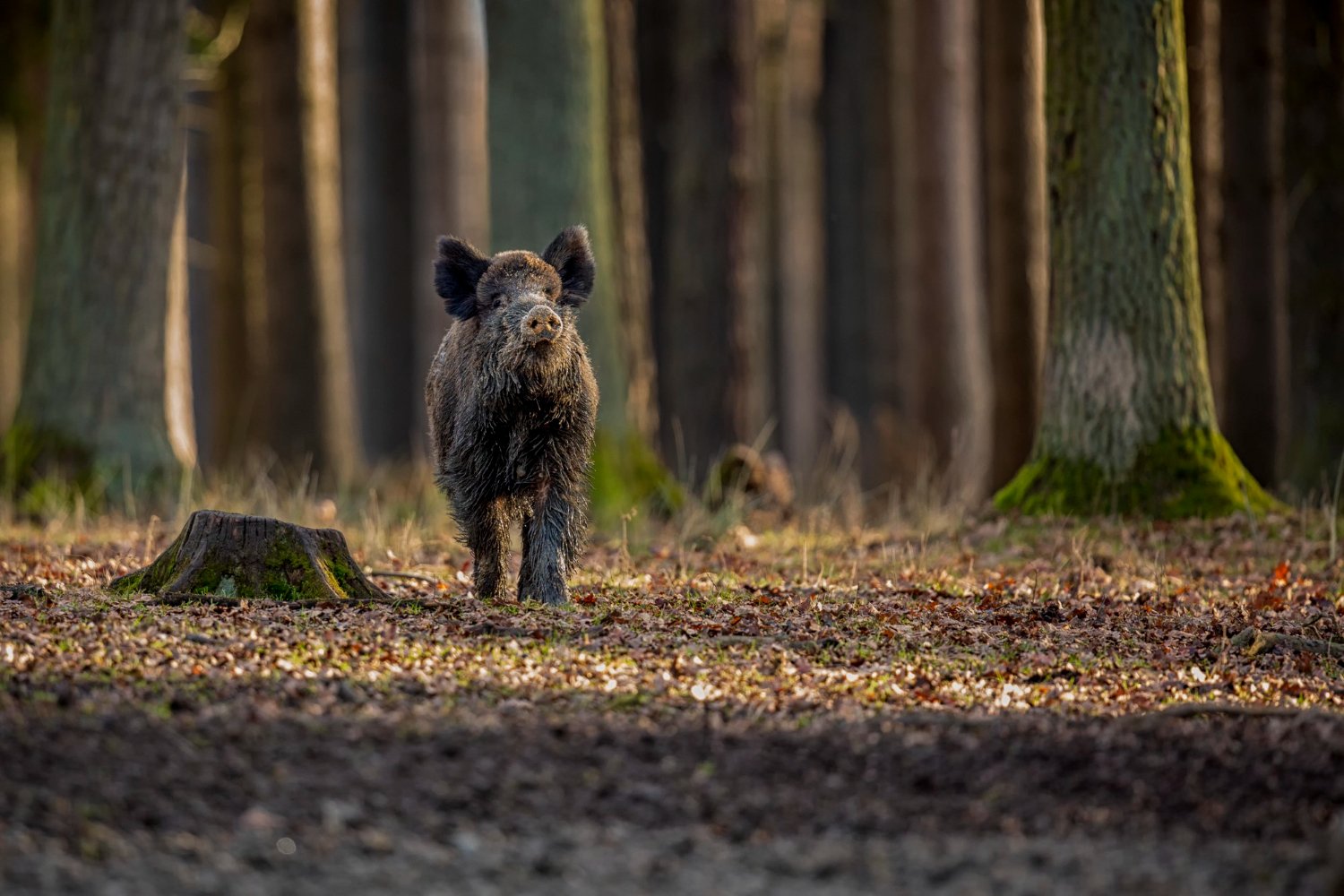
Sick boar often lose their fear of people, become sluggish, stay close to water and may lie out in the open. Most often, hunters and walkers find animals that are already dead. Any boar carcass in an infected zone is treated as suspect until a test shows otherwise, so it must not be touched.
How hunting works in the zone
In the core zone hunting is usually restricted, so as not to drive the boar around and spread the virus. Outside the core, by contrast, culling boar is encouraged to reduce their density. Game is tested for the virus, and the meat can be used only after a negative result. Each part of the zone has its own rules, which should be checked before hunting.
What pig farmers say
Finnish pig farmers have long feared ASF arriving from the east and have invested in farm biosecurity for many years. For them, the main thing is to stop the virus getting from the forest into the piggeries. They see the fence and the measures in the zone as necessary, though they understand that the fight against the disease in wild boar will drag on for a long time.
What it means for Europe
African swine fever remains one of the biggest threats to pig farming in Europe: the virus is present in wild boar in Germany, Poland, the Baltic states, Italy and other countries. The Finnish fence is another attempt to keep the disease in place. Success depends largely on people: hunters, farmers and walkers who do not carry the virus. The UK is free of ASF, and Defra asks travellers not to bring pork products back from affected countries.
When to see a vet
Tell a vet immediately if your pigs have a high temperature, lethargy, loss of appetite, reddened or bluish skin, haemorrhages, bloody diarrhoea or sudden deaths. In the UK, suspected ASF must be reported to the Defra Rural Services Helpline. Report any dead boar you find to the veterinary authorities. Wash your dog after hunting in an infected zone and check it for wounds.
Sources
- Yle, 12 November 2026
- Demokraatti.fi, 12 November 2026