Contents
- What happened
- "I thought it was a shark"
- The vaccination course
- The seal's fate
- Rabies in seals
- How the seals became infected
- Signs of rabies in seals
- Other cases
- What the authorities advise
- How to avoid being bitten
- Why rabies is dangerous
- Dogs on beaches
- Vaccinating your dog
- If a seal bites your dog
- Seals and tourism
- Marine mammals and disease
- What Cape fur seals are
- Why they are hard to control
- How long prophylaxis lasts
- Strand and False Bay
- Seal bites without rabies
- What this means for Europe
- Rabies in Europe
- Travelling with a dog to South Africa and back
- What to do if a wild animal bites you
- What happens next
- When to see a vet
What happened
On 15 November the South African newspapers Cape Times and Cape Argus reported a seal attack on a woman near Strand beach on the shore of False Bay outside Cape Town. On the morning of 12 November, at around 6.45am, she was bodyboarding when a seal bit her on the back of her leg. The woman went straight to hospital.
"I thought it was a shark"
According to the victim, at first she thought she had been attacked by a shark and acted on instinct. The bite was to her leg. In hospital she was given a preventive rabies vaccination and the wound was treated. Despite her ordeal, the woman says she plans to go back into the water.
The vaccination course
On 15 November the victim returned to hospital for the second dose of her vaccination course. Post-exposure rabies prophylaxis is a series of vaccine injections, plus immunoglobulin for deep bites. If started in time, it almost always prevents the disease.
The seal's fate
The seal that bit the woman was put down after it developed neurological signs. Its body was sent for rabies testing. The City of Cape Town cannot yet confirm the result. Neurological problems and unusual aggression are typical signs of rabies in seals.
Cape Times, Cape Argus; 15.11.2026
Rabies in seals
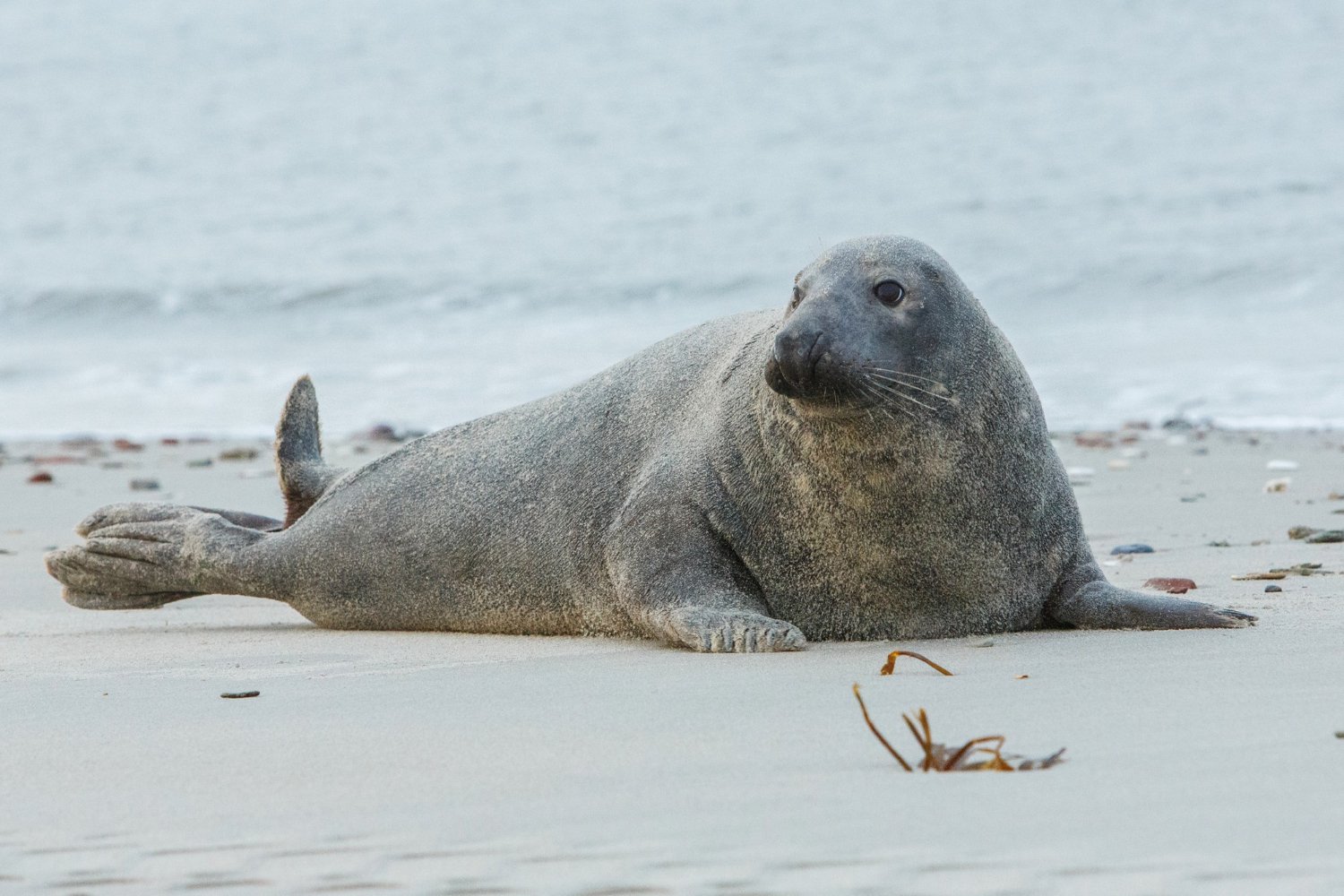
Rabies in Cape fur seals was discovered by scientists from the University of Pretoria a few years ago. Positive animals have been found at various places on the Cape Peninsula and in False Bay, including Strand beach. This is the first known rabies outbreak among seals in the world. Experts believe the virus has become established in the population.
How the seals became infected
Scientists believe the virus reached the seals from land animals, such as jackals that hunt at seal colonies. It then began to pass between the seals themselves through bites. The colonies off the South African coast are very dense and the animals often fight, so the virus spreads easily.
Signs of rabies in seals
A sick seal may behave unusually aggressively: attacking people and dogs, coming onto beaches full of people and biting for no reason. There may be seizures, drooling and loss of coordination. Healthy seals usually avoid people, so a seal that approaches and attacks should raise concern.
Other cases
In recent years, seals suspected of having rabies have bitten people in various places in the Western Cape. In January 2025 a seal bit a diver near Simon's Town. In Mossel Bay the authorities have put down aggressive seals. Confirmed cases have also been found in the Eastern Cape.
What the authorities advise
The Western Cape Government asks people to report all seal bites. If a seal bites someone, the wound should be washed immediately under running water with soap for 15 minutes, and medical help should be sought at once. There is no point waiting for symptoms: once they have started, the disease can no longer be treated.
How to avoid being bitten
Keep away from seals on the shore and in the water, do not feed them and do not try to take photos close to them. If a seal swims towards you, get out of the water. On beaches with warnings, choose spots away from colonies. Children need to be told that a seal is not a toy, even if it looks friendly.
Why rabies is dangerous
Rabies is a viral disease of the nervous system that is almost always fatal once symptoms appear. The virus is transmitted in saliva through bites and scratches. It can travel along the nerves to the brain for months. That is why vaccination after a bite is given as early as possible, without waiting for the results of tests on the animal.
Dogs on beaches
The situation is especially important for dog owners. A dog may rush at a seal on the shore and get bitten. If the dog is not vaccinated against rabies, it may fall ill and become a danger to people. That is why on beaches where seals are found, dogs are kept on a lead and not allowed near the animals.
Vaccinating your dog
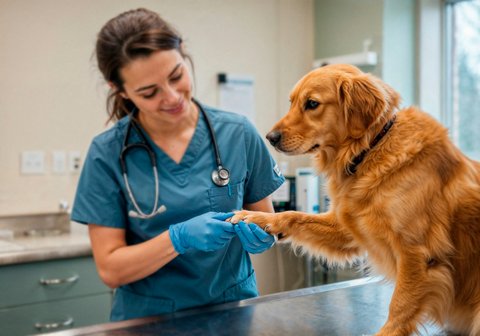
In South Africa, as in many countries, rabies vaccination of dogs and cats is compulsory. Vets point out that it must be up to date: after the first vaccination, boosters are needed on schedule. A vaccinated dog bitten by a suspect seal is given an additional dose and monitored.
If a seal bites your dog
Wash the wound with soap and water and see a vet straight away. Take the dog's passport with its vaccination records. The vet will treat the wound, give a booster and report the case to the veterinary authorities. An unvaccinated dog may be quarantined or subject to special measures.
Seals and tourism
Seals are one of the attractions of the South African coast. Tourists swim near them and photograph them in harbours. Since the rabies outbreak, experts advise tourists and tour operators to keep their distance and avoid direct contact with the animals, even if a seal seems tame.
Marine mammals and disease
Marine mammals can carry many infections that are dangerous to people and dogs: rabies, avian influenza, leptospirosis and brucellosis. That is why dead or sick seals, dolphins and whales on the shore must not be touched. Such finds should be reported to marine animal rescue services.
What Cape fur seals are
The Cape fur seal is a large eared seal that lives off the coasts of South Africa and Namibia. Males weigh up to 300 kg, while females are much smaller. The seals form huge colonies on rocks and islands and often come into harbours where fishermen throw away fish. That is where they most often meet people.
Why they are hard to control
Unlike dogs, seals cannot be vaccinated against rabies on a mass scale. The colonies are huge, the animals spend a lot of time at sea, and catching them is difficult and dangerous. So the main protection is informing people, quickly putting down clearly sick animals and testing dead seals for the virus.
How long prophylaxis lasts
A course of post-exposure rabies prophylaxis usually consists of several vaccine injections over two to four weeks. If the bite is deep or in a high-risk place, immunoglobulin is also injected into the wound. It is important not to miss any doses: only the full course guarantees protection.
Strand and False Bay
Strand beach is a popular spot on the eastern shore of False Bay. People swim, ride boards and walk their dogs there. The bay has many seals that hunt close to shore. Encounters with people are therefore inevitable, and the authorities regularly remind the public about precautions.
Seal bites without rabies
Even if a seal does not have rabies, its bite is dangerous. Seals' mouths contain many bacteria, and wounds often become badly infected. There is even a specific infection called "seal finger", which affects fishermen and vets after contact with seals. That is why any bite should be seen by a doctor.
What this means for Europe
Rabies has not been found in European seals, and most of Western Europe is free of rabies in land animals. But seals in the North Sea and the Baltic suffer from other infections, including avian influenza and phocine distemper virus. The rule is the same: do not touch seals, keep dogs on a lead and report sick animals to specialists.
Rabies in Europe
In the EU, rabies in wild animals has almost been eliminated thanks to vaccinating foxes with baits. But the disease remains in Eastern European countries and is regularly brought in with animals imported without vaccination. That is why dogs and cats travelling within the EU must have a valid rabies vaccination.
Travelling with a dog to South Africa and back
If you are travelling with a dog outside the EU, check the requirements for rabies vaccination and antibody testing. To return to the EU from many countries, an antibody test done in advance is required. Without it, the dog may be quarantined. Ask your vet about the rules several months before the trip.
What to do if a wild animal bites you
- Wash the wound with soap and water for 15 minutes.
- Apply an antiseptic.
- See a doctor as soon as possible.
- Remember where it happened and which animal bit you.
- Report the incident to the local authorities.
What happens next
The Cape Town authorities are waiting for the seal's test results. If rabies is confirmed, it will be another case in a long series of findings in Cape fur seals. Scientists continue to study how the virus spreads in the colonies and are discussing whether seals could ever be vaccinated.
When to see a vet
If your dog has been bitten by a seal, fox, bat or other wild animal, wash the wound and see a vet straight away, even if the bite seems minor. Take your dog to the vet urgently if it starts behaving strangely: restlessness, aggression, drooling, difficulty swallowing or an unsteady gait.
Sources
- Cape Times / IOL, 15 November 2026
- Cape Argus / IOL, 15 November 2026
- Western Cape Government, 2024