Contents
- What happened
- Where this is
- What residents are being asked to do
- Quarantine for stray cats
- A vaccination clinic
- Why 10 days
- Cats and rabies in the US
- Who carries rabies in Kansas
- The rabies laboratory
- Signs of rabies in cats
- If a cat bites a person
- If your cat has been bitten
- Stray cats
- Why vaccination matters for indoor cats
- Bats
- How the virus works
- Dumb and furious forms
- The cost of prevention
- How often to vaccinate
- Skunks and raccoons in the garden
- The role of police and shelters
- What this means for Europe
- Is cat vaccination compulsory in Europe
- Rabies in Eastern Europe
- If your cat has caught a bat
- What happens next
- When to see a vet
What happened
On 14 and 15 November, local media in Kansas reported a confirmed case of rabies in a cat in the town of Benton. The test was carried out at the Kansas State University veterinary diagnostic laboratory in Manhattan, Kansas. Benton police appealed to residents to protect their pets and children.
Where this is
Benton is a small town in Butler County, near Wichita, the largest city in Kansas. There are many detached houses with gardens, and cats often roam outdoors. The town is surrounded by fields and copses where skunks, raccoons and bats live, the main carriers of rabies in the region.
What residents are being asked to do
The police are asking people to keep their pets indoors and make sure they are vaccinated against rabies and that their boosters are up to date. Children playing outside should be supervised and not allowed to approach unfamiliar animals, especially cats and wild animals.
Quarantine for stray cats
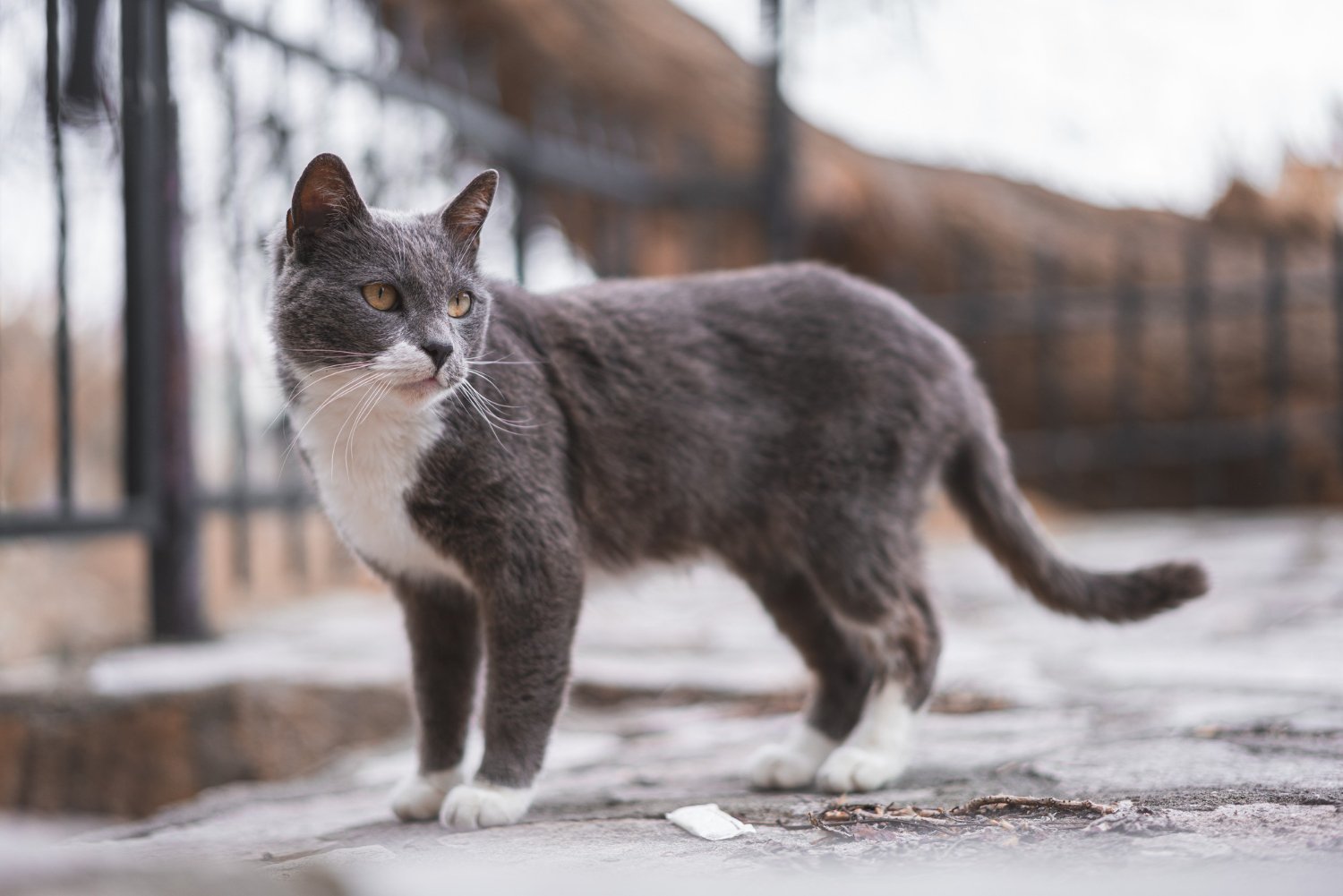
Several stray cats caught in the town have been placed in quarantine. They will be held until a vet examines them after 10 days. If one of the cats caught turns out to be yours, you can only get it back with proof of rabies vaccination.
KNSS, KWCH, KSN; 14–15.11.2026
A vaccination clinic
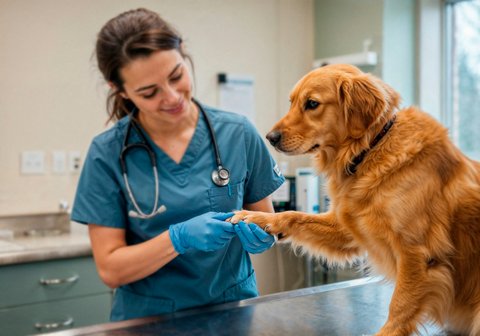
According to the TV station KSN, after the case the town plans to hold a vaccination clinic where owners can have cats and dogs vaccinated cheaply. Such events are a standard measure in the US after confirmed rabies cases: they quickly increase the proportion of vaccinated animals in the area.
Why 10 days
Ten-day observation is a standard rule in the US and many other countries. If a cat or dog that bit someone was infectious, it will show signs of rabies or die within 10 days. If the animal stays healthy during this time, it could not have transmitted the virus at the time of the bite.
Cats and rabies in the US
In the US, cats are the domestic animals in which rabies is most often found. This is because many cats are not vaccinated, and outdoor cats hunt and come into contact with wild animals. Dogs are vaccinated more often, and rabies is less common in dogs than in cats in the US.
Who carries rabies in Kansas
In Kansas the main carrier of rabies is the striped skunk. The virus passes from skunks to other animals through bites. Rabies is also regularly found in bats. A cat that hunts in the garden or meets a skunk at night can become infected if it is not vaccinated.
The rabies laboratory
Kansas State University carries out rabies testing on animals for the whole state. Testing requires the head or brain of an animal that has died or been put down. Confirmed cases are reported to the state health department, which monitors the situation.
Signs of rabies in cats
Rabies in cats may start with a change in behaviour: an affectionate cat becomes aggressive, and a timid one unexpectedly affectionate. This is followed by restlessness, drooling, difficulty swallowing, a change in voice, an unsteady gait, seizures and paralysis. Once symptoms appear, the disease always ends in death.
If a cat bites a person
If an unfamiliar cat bites or scratches you, wash the wound with soap and water for at least 15 minutes and see a doctor straight away. The doctor will decide whether rabies prophylaxis is needed. If the cat can be caught, it is put under observation. If not, vaccination usually starts immediately.
If your cat has been bitten
If your cat has been bitten by a wild animal or an unfamiliar cat, see a vet straight away. A vaccinated cat is usually given a booster and monitored. An unvaccinated cat may be put in a long quarantine, and some US states may require it to be put down. So vaccination also protects the cat's life.
Stray cats
Stray cat colonies are a frequent subject of debate in the US. Trap-neuter-return programmes reduce their numbers, and the cats are also vaccinated against rabies along the way. But unvaccinated stray cats remain a possible bridge between wild animals and people.
Why vaccination matters for indoor cats
Many owners think that an indoor cat that never goes outside does not need vaccinating. But cats sometimes slip out of the door, and bats fly into houses. There are quite a few cases in the US of rabies in cats that had hardly ever been outdoors. Vets advise vaccinating all cats.
Bats
Bats are an important source of rabies in North America and Europe. A bat bite can be almost unnoticeable. If you find a bat in a room where a person or cat has been sleeping, contact a doctor and a vet. Never pick up a bat with bare hands.
How the virus works
The rabies virus enters the body in saliva through a bite. It first multiplies in the muscles near the bite, then slowly travels along the nerves to the spinal cord and brain. This journey can take from a few weeks to several months. Once the virus reaches the brain, symptoms appear, and it is no longer possible to save the animal or person.
Dumb and furious forms
In cats, rabies takes two forms. In the furious form the animal is agitated, attacks for no reason, bites objects and cries loudly. In the dumb, or paralytic, form the cat becomes lethargic and hides, its jaw drops and it drools. The dumb form is easily mistaken for another illness, which makes it especially dangerous for people.
The cost of prevention
A course of rabies prophylaxis for a person after a bite in the US is expensive: thousands of dollars if immunoglobulin is needed. Vaccinating a cat or dog at a vet clinic or a free event costs many times less. So vaccinating animals pays off not only for their health but also for family budgets and the whole healthcare system.
How often to vaccinate
Kittens and puppies usually get their first rabies vaccination at about three months of age, then a booster a year later, and after that every one to three years depending on the vaccine and local rules. Your vet will tell you when the next vaccination is due and record it in the passport.
Skunks and raccoons in the garden
In American suburbs, wild animals often come into gardens for cat food left outside. This increases the chance of a cat meeting a sick skunk or raccoon. Vets advise not leaving food outside overnight and keeping bins closed so as not to attract wild animals.
The role of police and shelters
In small American towns, animal control services are often part of the police. They catch stray animals, oversee quarantine and check vaccinations. That is why it was Benton police who reported the case and appealed to residents. Shelters help look after the captured cats during quarantine.
What this means for Europe
Most of Western Europe is free of rabies in land animals thanks to fox vaccination. But bats in Europe carry related viruses, bat lyssaviruses. In France and other countries, there have been cases of cats becoming infected after hunting bats. That is why the question of vaccinating cats is relevant in Europe too.
Is cat vaccination compulsory in Europe
In many EU countries, rabies vaccination of cats is not compulsory if the cat does not travel. But it is compulsory for trips abroad, and vets often recommend it for cats that go outdoors, especially in areas with bats. It is a decision best made together with your vet.
Rabies in Eastern Europe
In Eastern Europe, rabies still occurs in foxes, dogs and cats. Animals brought from there without documents may be placed in quarantine. If you adopt a cat or dog from abroad, always check the passport and the dates of its rabies vaccinations.
If your cat has caught a bat
- Do not touch the bat with bare hands.
- Cover it with a box and call the veterinary authorities.
- Check whether your cat is vaccinated against rabies.
- See a vet straight away.
- If the bat has touched people, see a doctor.
What happens next
Benton police and vets continue to monitor the captured cats and check whether the sick cat had contact with people and animals. If such contacts are found, people will be offered rabies prophylaxis and animals boosters or quarantine. Residents are asked to report animals behaving strangely.
When to see a vet
If your cat suddenly changes its behaviour, becoming aggressive or, on the contrary, unusually affectionate, or starts drooling, has difficulty swallowing or an unsteady gait, isolate it, do not touch it with bare hands and call the vet straight away. Also contact your vet if your cat has been bitten by a wild animal or bat, even if the wound seems small.
Sources
- KNSS / Audacy, 15 November 2026